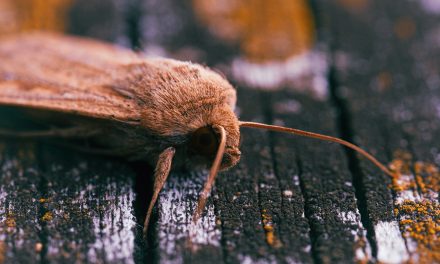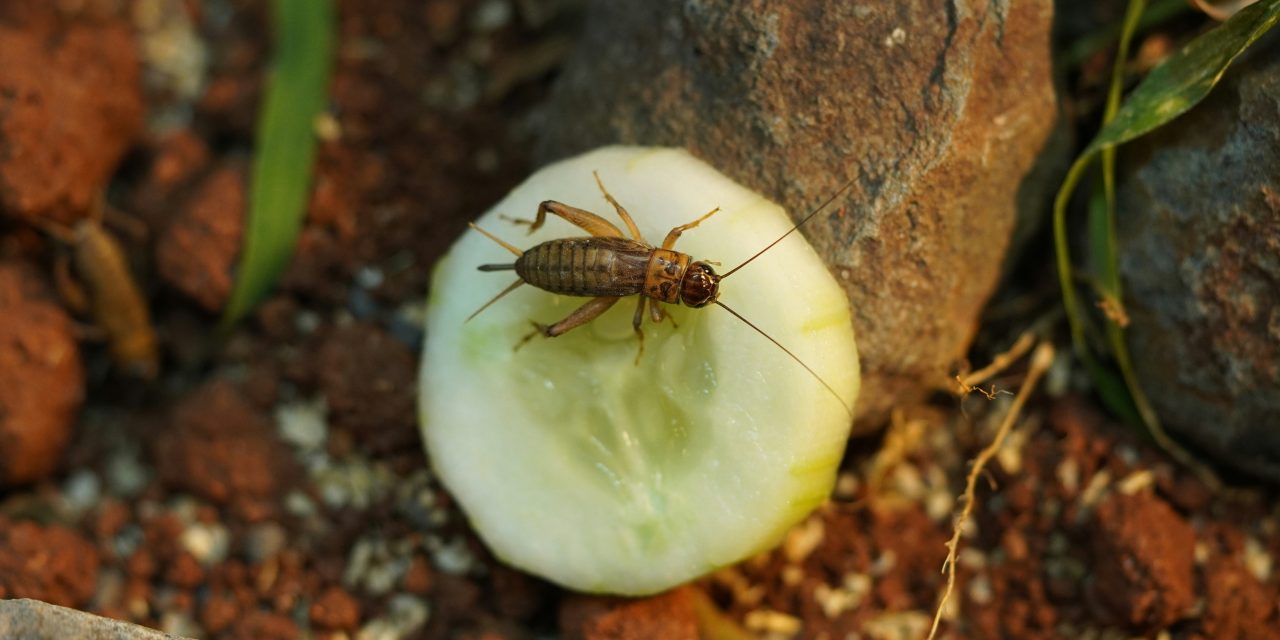
Baby cockroaches, also known as nymphs, are the immature stages of adult cockroaches. They typically emerge from eggs laid by adult females, which can produce anywhere from 30 to 40 eggs in a single ootheca (egg case). Nymphs are often mistaken for adults due to their similar body shape, but they are smaller, measuring approximately 1/8 to 1/2 inch in length. Their coloration varies depending on the species; for instance, German cockroach nymphs are brown with two distinctive dark stripes running down their backs, while American cockroach nymphs are darker and more robust.
Behaviorally, baby cockroaches exhibit a high level of activity and are primarily nocturnal. They tend to hide in dark, moist areas during the day, emerging at night to forage for food. Their diet consists of organic matter, including crumbs, grease, and decaying materials. Understanding their behavior is crucial for effective pest management, as it allows homeowners to identify potential nesting sites and food sources that attract these pests.
Common Causes of Baby Cockroach Infestations
Infestations of baby cockroaches often stem from several common factors. One primary cause is the availability of food sources. Cockroaches are opportunistic feeders and thrive in environments where food is easily accessible. Crumbs left on countertops, unsealed food containers, and pet food left out overnight can all contribute to attracting these pests. Additionally, moisture plays a significant role in their proliferation; areas with leaks or high humidity levels create ideal breeding conditions.
Another contributing factor is the presence of clutter and debris. Cockroaches prefer to hide in dark, secluded spaces, making cluttered areas such as basements, attics, and storage rooms prime locations for infestations. Furthermore, the structural integrity of a home can influence the likelihood of an infestation. Cracks in walls, gaps around windows and doors, and poorly sealed entry points can provide easy access for cockroaches to invade living spaces.
Effective Cleaning Practices to Eliminate Food Sources

Implementing effective cleaning practices is essential for eliminating food sources that attract baby cockroaches. Regularly sweeping and vacuuming floors can help remove crumbs and debris that may serve as food for these pests. It is advisable to pay special attention to kitchen areas, where spills and food residues are more likely to accumulate. Wiping down countertops with disinfectant wipes or a vinegar solution can further reduce the likelihood of attracting cockroaches.
In addition to surface cleaning, it is crucial to store food properly. All food items should be kept in airtight containers to prevent access by cockroaches. This includes not only human food but also pet food, which should be stored in sealed containers when not in use. Regularly disposing of garbage and ensuring that trash cans have tight-fitting lids can also minimize potential food sources for these pests.
Sealing Entry Points to Prevent Cockroach Access

Preventing baby cockroach infestations requires a proactive approach to sealing entry points throughout the home. Inspecting the exterior of the property for cracks and gaps is essential; even small openings can provide access for these pests. Caulking gaps around windows and doors, as well as sealing cracks in walls and foundations, can significantly reduce the likelihood of an infestation.
Additionally, it is important to check plumbing fixtures for leaks or gaps where pipes enter walls. Cockroaches are attracted to moisture, so addressing any plumbing issues can help deter them from entering your home. Installing door sweeps on exterior doors and ensuring that screens on windows are intact can further enhance your home’s defenses against these unwanted intruders.
Using Natural Remedies to Repel Baby Cockroaches
Natural remedies can serve as effective deterrents against baby cockroaches without the use of harsh chemicals. Essential oils such as peppermint oil, tea tree oil, and eucalyptus oil have been shown to repel cockroaches due to their strong scents. Mixing a few drops of these oils with water in a spray bottle can create a natural repellent that can be applied around entry points and areas where cockroaches are commonly seen.
Another natural remedy involves using diatomaceous earth (DE), a fine powder made from fossilized algae. When sprinkled in areas where cockroaches frequent, DE can damage their exoskeletons upon contact, leading to dehydration and death. It is important to use food-grade diatomaceous earth for safety purposes. While natural remedies may not eliminate an infestation entirely, they can be effective in reducing the population when used in conjunction with other pest control methods.
Choosing and Applying Chemical Treatments Safely
When natural remedies are insufficient for controlling baby cockroach populations, chemical treatments may be necessary. There are various insecticides available on the market specifically designed for cockroach control. These products often contain active ingredients such as fipronil or imidacloprid, which target the nervous system of insects.
When applying chemical treatments, it is crucial to follow the manufacturer’s instructions carefully to ensure safety and effectiveness. Wearing protective gear such as gloves and masks is advisable during application. Additionally, it is essential to keep children and pets away from treated areas until they are deemed safe according to product guidelines. Regularly monitoring treated areas for signs of activity can help determine the effectiveness of the chosen chemical treatment.
Setting Traps to Capture and Monitor Baby Cockroaches
Setting traps is an effective method for capturing and monitoring baby cockroaches within your home. Sticky traps are particularly useful as they allow homeowners to gauge the level of infestation by providing visual evidence of cockroach activity. These traps should be placed in areas where cockroaches are commonly seen or suspected to hide, such as behind appliances or under sinks.
In addition to sticky traps, bait stations containing insecticide can also be employed. These stations attract cockroaches with bait while delivering a lethal dose of insecticide upon consumption. It is important to place bait stations out of reach of children and pets to ensure safety while effectively targeting the pest population.
Maintaining Proper Waste Management to Discourage Infestations
Proper waste management plays a critical role in discouraging baby cockroach infestations. Regularly disposing of garbage is essential; trash should be removed from the home at least once a week or more frequently if necessary. Ensuring that garbage cans have tight-fitting lids can prevent odors from escaping and attracting cockroaches.
Additionally, compost bins should be managed carefully as they can attract pests if not maintained properly. Keeping compost bins sealed and ensuring that they do not overflow can help minimize potential food sources for cockroaches. By maintaining a clean environment and managing waste effectively, homeowners can significantly reduce the risk of infestations.
Regular Inspection and Early Detection Techniques
Regular inspections are vital for early detection of baby cockroach infestations before they escalate into larger problems. Homeowners should conduct thorough checks in areas prone to moisture and darkness, such as kitchens, bathrooms, basements, and attics. Signs of infestation include droppings resembling black pepper or coffee grounds, shed exoskeletons, and egg cases.
Utilizing monitoring tools such as sticky traps can aid in early detection efforts by providing insight into pest activity levels over time. If signs of infestation are detected during inspections, immediate action should be taken to address the issue before it worsens.
When to Call Professional Pest Control Services
While many homeowners may attempt DIY methods for controlling baby cockroach infestations, there are instances when professional pest control services become necessary. If an infestation persists despite implementing various control measures or if there is a significant presence of cockroaches throughout the home, seeking professional assistance is advisable.
Pest control professionals possess specialized knowledge and tools that allow them to effectively assess the situation and implement targeted treatments tailored to specific infestations. They can also provide valuable insights into long-term prevention strategies that homeowners may not have considered.
Long-Term Prevention Strategies for a Cockroach-Free Home
Achieving a long-term solution for maintaining a cockroach-free home requires a multifaceted approach that combines various prevention strategies. Regular cleaning practices should be established as part of a routine to eliminate potential food sources consistently. Additionally, sealing entry points should be an ongoing effort rather than a one-time task.
Homeowners should also consider implementing regular inspections as part of their maintenance routine to catch any signs of infestation early on. Educating family members about proper waste management practices can further enhance efforts toward prevention.
In summary, understanding baby cockroaches involves recognizing their identification and behavior patterns while addressing common causes of infestations through effective cleaning practices and sealing entry points. Utilizing natural remedies alongside chemical treatments can provide comprehensive pest control solutions while maintaining proper waste management discourages future infestations. Regular inspections and knowing when to call professionals ensure that homes remain free from these unwanted pests over time.
FAQs
What are baby cockroaches called?
Baby cockroaches are commonly referred to as nymphs. They are the immature stage of cockroaches and resemble smaller versions of adult cockroaches, lacking wings and reproductive capabilities.
How can I identify a baby cockroach?
Baby cockroaches are typically small, measuring about 1/8 to 1/2 inch in length, and have a similar body shape to adults but are lighter in color. They may also have a more translucent appearance and are often found in dark, moist areas where food is available.
What are effective methods to get rid of baby cockroaches?
Effective methods to eliminate baby cockroaches include using cockroach baits, traps, and insecticides specifically designed for roaches. Additionally, maintaining cleanliness, sealing entry points, and reducing moisture can help control their population.
How can I prevent a cockroach infestation?
To prevent a cockroach infestation, keep your home clean by regularly vacuuming and wiping surfaces, storing food in airtight containers, fixing leaks to eliminate moisture, and sealing cracks and crevices where cockroaches can enter.
When should I call a pest control professional?
If you notice a significant number of baby cockroaches or adults despite your efforts to eliminate them, or if you are unable to identify the source of the infestation, it may be time to call a pest control professional for a thorough inspection and treatment plan.