Oats are a versatile and nutritious grain that has gained immense popularity in recent years, particularly due to their health benefits and culinary flexibility. There are several types of oats available on the market, each with unique characteristics and cooking properties. The most common varieties include whole oat groats, steel-cut oats, rolled oats, and instant oats. Whole oat groats are the least processed form, retaining the entire grain structure, which results in a chewy texture and longer cooking time. Steel-cut oats, also known as Irish oats, are whole oat groats that have been chopped into pieces, offering a nutty flavor and a hearty consistency.
Rolled oats, or old-fashioned oats, are steamed and then flattened with large rollers. This process reduces cooking time while maintaining a creamy texture when prepared. Instant oats are pre-cooked and dried, allowing for rapid preparation but often sacrificing some nutritional value and texture. Understanding these distinctions is crucial for selecting the right type of oats based on personal preferences and desired outcomes in recipes.
Choosing the Right Oats for Creaminess
When it comes to achieving a creamy oatmeal dish, the choice of oats plays a pivotal role. Steel-cut oats, while nutritious and flavorful, tend to yield a chewier texture due to their larger size and minimal processing. For those seeking a creamier consistency, rolled oats are often the preferred option. Their flattened shape allows them to absorb liquid more effectively, resulting in a smoother mouthfeel.
Instant oats can also produce a creamy texture but may lack the depth of flavor found in less processed varieties. It is essential to consider not only the type of oats but also the cooking method and additional ingredients that can enhance creaminess. For instance, incorporating milk or cream during cooking can significantly elevate the richness of the final dish.
Essential Tools and Ingredients for Cooking Oatmeal

To prepare oatmeal successfully, certain tools and ingredients are indispensable. A heavy-bottomed saucepan is ideal for even heat distribution, preventing scorching and ensuring consistent cooking. A wooden spoon or silicone spatula is essential for stirring, allowing for gentle mixing without damaging the oats. Measuring cups and spoons will help maintain accurate ratios of oats to liquid, which is crucial for achieving the desired consistency.
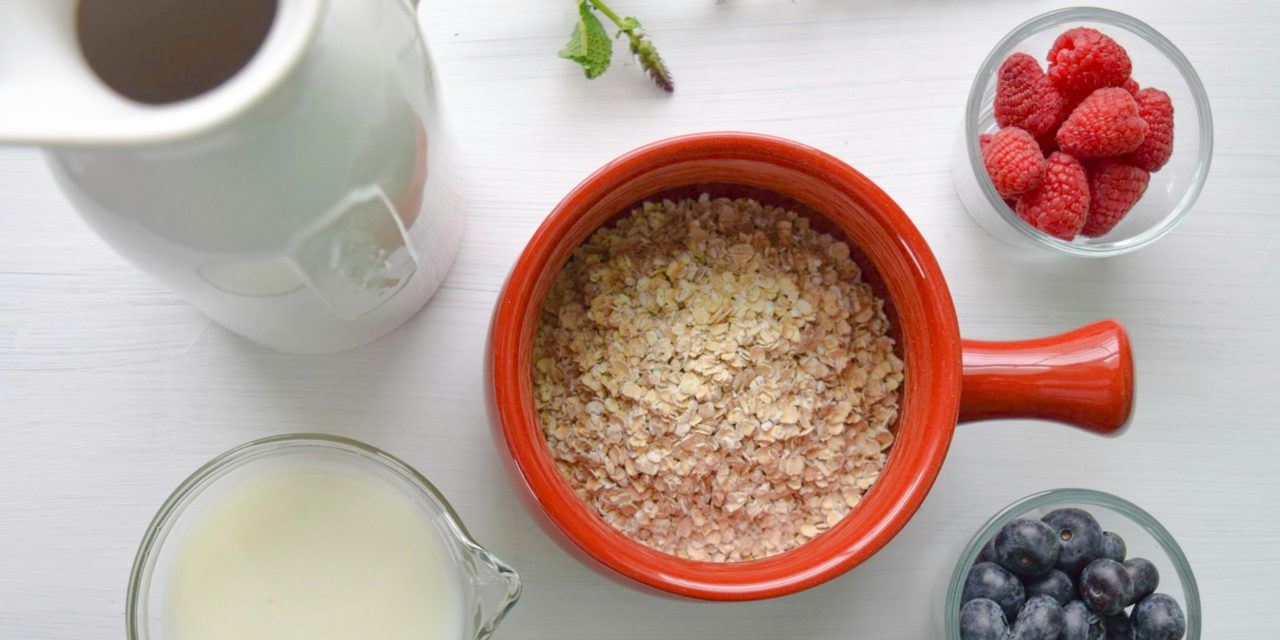
In terms of ingredients, high-quality oats are paramount. Additionally, water or milk serves as the primary cooking liquid. Whole milk or plant-based alternatives like almond or oat milk can enhance creaminess. Sweeteners such as honey or maple syrup can be added for flavor, along with spices like cinnamon or nutmeg for warmth. Fresh fruits, nuts, and seeds can serve as toppings to add texture and nutritional value.
The Importance of Soaking Oats Before Cooking

Soaking oats before cooking is a practice that can yield numerous benefits. This process involves immersing the oats in water or milk for several hours or overnight. Soaking helps to break down phytic acid, an anti-nutrient that can inhibit mineral absorption in the body. By reducing phytic acid levels, soaking enhances the bioavailability of essential nutrients such as iron and zinc.
Moreover, soaking softens the oats, leading to a shorter cooking time and a creamier texture. This technique is particularly beneficial for steel-cut oats, which typically require longer cooking periods. By pre-soaking them, cooks can achieve a tender consistency without overcooking or compromising flavor.
Step-by-Step Guide to Cooking Oatmeal on the Stove
Cooking oatmeal on the stove is a straightforward process that yields delicious results when done correctly. Begin by measuring out the desired amount of oats—typically one cup of rolled oats to two cups of liquid is a standard ratio. If using steel-cut oats, adjust the liquid to three cups for every cup of oats due to their higher absorption capacity.
1. In a heavy-bottomed saucepan, combine the measured oats and liquid.
2. Bring the mixture to a gentle boil over medium heat.
3. Once boiling, reduce the heat to low and cover the saucepan.
4. For rolled oats, simmer for about 5-10 minutes; for steel-cut oats, allow 20-30 minutes.
5. Stir occasionally to prevent sticking and ensure even cooking.
6. Once the desired consistency is reached, remove from heat and let it sit covered for a few minutes before serving.
This method allows for customization based on personal preferences regarding texture and flavor.
The choice between using milk or water as a cooking liquid significantly impacts the creaminess of oatmeal. Water is a neutral option that allows the natural flavors of the oats to shine through but may result in a less rich texture. Conversely, using milk—whether whole, skim, or plant-based—introduces fats that contribute to a creamier mouthfeel.
For those seeking an ultra-creamy oatmeal experience, consider using a combination of both milk and water. This approach balances richness with hydration while allowing for versatility in flavor profiles. Additionally, adding milk towards the end of cooking can enhance creaminess without risking curdling or scorching.
The Role of Stirring in Achieving a Smooth Texture
Stirring is an essential technique in oatmeal preparation that directly influences texture. Regular stirring during cooking helps to evenly distribute heat and moisture throughout the mixture, preventing clumping and ensuring uniform cooking. This action encourages starches within the oats to release, contributing to a creamy consistency.
For rolled oats, gentle stirring every few minutes is sufficient to achieve smoothness. However, with steel-cut oats, more frequent stirring may be necessary due to their denser nature. Incorporating this practice into your cooking routine will enhance the overall quality of your oatmeal dish.
How to Adjust Cooking Time for Desired Consistency
Cooking time is crucial when preparing oatmeal, as it directly affects texture and consistency. For rolled oats, a cooking time of 5-10 minutes typically yields a creamy result; however, personal preference may dictate adjustments based on desired thickness. For thicker oatmeal, extend cooking time slightly while monitoring closely to prevent overcooking.
Steel-cut oats require longer cooking times—approximately 20-30 minutes—due to their robust structure. To achieve varying consistencies with steel-cut oats, consider adjusting liquid ratios or soaking them beforehand to reduce overall cooking time while maintaining tenderness.
Adding Creamy Enhancers: Butter, Cream, and Yogurt
To elevate oatmeal’s creaminess further, consider incorporating various enhancers such as butter, cream, or yogurt after cooking. A pat of butter adds richness and depth of flavor while providing healthy fats that contribute to satiety. Heavy cream can be drizzled on top for an indulgent touch that transforms ordinary oatmeal into a luxurious breakfast experience.
Greek yogurt is another excellent option that not only enhances creaminess but also adds protein and probiotics beneficial for gut health. Stirring in yogurt just before serving creates a velvety texture while introducing tangy notes that complement sweet toppings beautifully.
Flavoring Tips to Complement Creamy Oatmeal
Flavoring oatmeal can transform it from a simple dish into an exciting culinary experience. Consider incorporating spices such as cinnamon or nutmeg during cooking for warmth and depth. Fresh fruits like bananas or berries can be added either during cooking or as toppings to introduce natural sweetness and vibrant colors.
Nuts and seeds provide crunch and additional nutritional benefits; walnuts or chia seeds are excellent choices that pair well with creamy oatmeal. Sweeteners such as honey or maple syrup can be drizzled on top for an extra layer of flavor without overpowering the dish’s natural essence.
Troubleshooting Common Oatmeal Texture Issues
Despite best efforts, oatmeal may sometimes present texture challenges that require troubleshooting. If oatmeal turns out too watery, consider increasing the cooking time slightly or adding more oats to absorb excess liquid. Conversely, if it becomes too thick or gummy, adding a splash of milk or water can help restore balance.
Another common issue is clumping; this often occurs when oats are not stirred adequately during cooking or if they are cooked at too high a temperature. Maintaining gentle heat and regular stirring will mitigate this problem while promoting even cooking.
In summary, understanding different types of oats is essential for selecting the right variety based on desired creaminess and texture in oatmeal preparation. Choosing rolled oats typically yields creamier results compared to steel-cut varieties due to their processing method. Essential tools such as heavy-bottomed pans and stirring utensils facilitate successful cooking while soaking enhances nutrient absorption and reduces cooking time.
Cooking oatmeal on the stove involves straightforward steps that allow for customization based on personal preferences regarding consistency and flavoring options like milk versus water or creamy enhancers like butter and yogurt. Flavoring tips further enhance enjoyment while troubleshooting common texture issues ensures optimal results every time.
By mastering these techniques and understanding how various factors influence oatmeal preparation, individuals can create deliciously creamy bowls of oatmeal tailored to their tastes while reaping nutritional benefits from this wholesome grain.
FAQs
What type of oats should I use for creamy oatmeal?
For the creamiest oatmeal, it’s best to use rolled oats or steel-cut oats. Rolled oats cook faster and create a smooth texture, while steel-cut oats take longer to cook but provide a heartier consistency. Instant oats can also be used, but they may not yield the same creamy texture.
How much liquid should I use when cooking oatmeal?
A general rule of thumb is to use a ratio of 2:1 liquid to oats for rolled oats and 4:1 for steel-cut oats. For example, if you’re using 1 cup of rolled oats, you should use 2 cups of water or milk. Adjusting the liquid can help achieve your desired creaminess.
Should I cook oatmeal on the stove or in the microwave for better texture?
Cooking oatmeal on the stove typically yields a creamier texture compared to the microwave. The slow cooking process allows the oats to absorb more liquid and release their starches, resulting in a smoother consistency. However, if you’re short on time, the microwave can still produce decent results.
Can I add ingredients to enhance the creaminess of my oatmeal?
Yes, adding ingredients like milk, cream, or nut butter can enhance the creaminess of your oatmeal. You can also stir in mashed bananas or applesauce for added flavor and texture. Adding these ingredients during the cooking process can help them blend in smoothly.
How long should I cook oatmeal for the perfect creamy texture?
For rolled oats, cook for about 5-10 minutes on the stove, stirring occasionally. For steel-cut oats, the cooking time is longer, typically around 20-30 minutes. Keep an eye on the consistency and adjust the cooking time as needed to achieve your desired creaminess.