Before embarking on a decluttering journey, it is essential to conduct a thorough assessment of your living space. This initial evaluation allows you to identify areas that require immediate attention and helps you understand the extent of the clutter. Take a moment to walk through each room, noting the items that contribute to disorganization and chaos. Consider factors such as functionality, aesthetics, and emotional attachment to belongings. By recognizing these elements, you can create a tailored plan that addresses your specific needs.
Setting realistic goals is equally important in this process. Aim for achievable milestones rather than overwhelming yourself with the prospect of an entire home overhaul. For instance, you might decide to declutter one room per week or focus on specific categories of items, such as clothing or kitchenware. Establishing clear objectives not only provides direction but also fosters a sense of accomplishment as you progress. Remember, decluttering is not a race; it is a journey toward creating a more organized and serene environment.
Start Small: Tackle One Area at a Time
When faced with the daunting task of decluttering, it is advisable to start small. Focusing on one area at a time allows for a more manageable approach and reduces feelings of overwhelm. Choose a specific space, such as a closet, drawer, or countertop, and dedicate your efforts to that location. By concentrating your energy on a single area, you can achieve noticeable results that motivate you to continue.
Moreover, starting small enables you to develop effective decluttering habits. As you complete each area, take note of what strategies worked well and what challenges arose. This reflective practice will enhance your skills and prepare you for tackling larger spaces in the future. Remember, every small victory contributes to the overall goal of creating a more organized living environment.
Use the “Four-Box” Method: Keep, Donate, Trash, Relocate

One effective strategy for decluttering is the “Four-Box” method, which involves categorizing items into four distinct boxes: Keep, Donate, Trash, and Relocate. This systematic approach simplifies decision-making and ensures that every item is thoughtfully considered. Begin by gathering boxes or bins labeled accordingly and place them in the area you are decluttering.
As you sift through your belongings, ask yourself critical questions about each item: Do I use this regularly? Does it hold sentimental value? Is it in good condition? Items that you wish to keep should be placed in the “Keep” box, while those that no longer serve a purpose can be designated for donation or disposal. The “Relocate” box is reserved for items that belong in another area of your home. This method not only streamlines the decluttering process but also encourages mindfulness regarding your possessions.
Schedule Short, Timed Decluttering Sessions

To maintain momentum during your decluttering journey, consider scheduling short, timed sessions dedicated solely to this task. Research suggests that working in focused bursts can enhance productivity and prevent burnout. Set a timer for 15 to 30 minutes and commit to decluttering during that period without distractions. This approach allows you to make significant progress while keeping the task manageable.
Additionally, incorporating regular decluttering sessions into your routine fosters consistency. Whether it’s dedicating time each weekend or setting aside a few minutes daily, establishing a schedule helps reinforce the habit of maintaining an organized space. Over time, these short sessions will accumulate into substantial improvements in your living environment.
Create a Decluttering Playlist to Stay Motivated
Music has the power to elevate mood and enhance productivity, making it an excellent companion during decluttering sessions. Curate a playlist filled with upbeat and energizing songs that inspire you to tackle your clutter with enthusiasm. The right soundtrack can transform the experience from a chore into an enjoyable activity.
As you declutter while listening to your playlist, you may find yourself moving more quickly and efficiently through the process. The rhythm of the music can help maintain your energy levels and keep you motivated throughout each session. Consider incorporating different genres or themes into your playlist to keep things fresh and engaging.
Sort Through Paperwork and Digitize Important Documents
Paperwork often accumulates over time, leading to cluttered surfaces and disorganization. To effectively manage this aspect of decluttering, begin by sorting through your documents systematically. Create categories such as bills, medical records, tax documents, and personal correspondence. As you sort through each category, determine which items are essential to keep and which can be discarded.
In today’s digital age, consider digitizing important documents to reduce physical clutter further. Utilize scanning apps or devices to create electronic copies of essential paperwork while securely storing them in cloud-based services or external hard drives. This practice not only frees up physical space but also enhances accessibility and organization.
Clear Flat Surfaces to Instantly Improve Visual Clarity
Flat surfaces such as countertops, tables, and desks often become catch-all areas for miscellaneous items. Clearing these surfaces can have an immediate impact on the overall visual clarity of your space. Start by removing everything from the surface and categorizing items into the “Four-Box” method mentioned earlier.
Once you have sorted through the items, only return essential objects to the surface while finding appropriate storage solutions for others. A clear surface creates an illusion of spaciousness and promotes a sense of calm within your environment. Additionally, maintaining clear surfaces makes it easier to clean and organize regularly.
Organize Storage Spaces with Bins and Labels
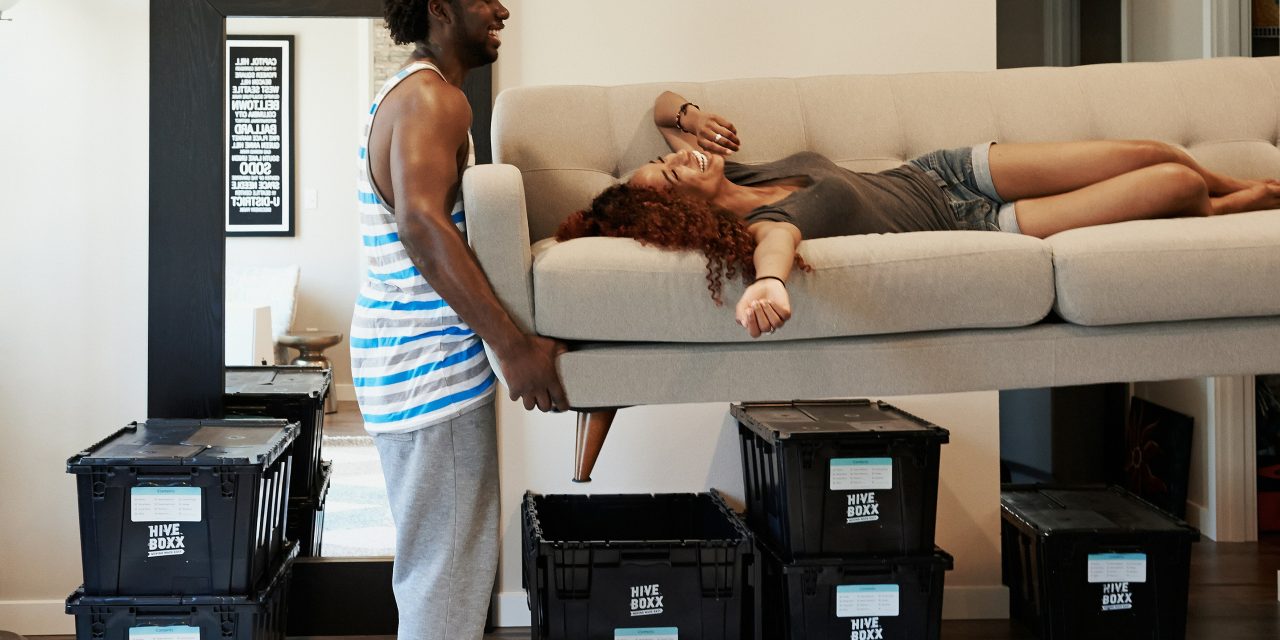
Effective organization is key to maintaining a clutter-free environment. Invest in storage bins or containers that suit your needs and designate specific areas for different categories of items. For example, use clear bins for seasonal clothing or labeled boxes for craft supplies. This method not only keeps items contained but also makes it easier to locate belongings when needed.
Labeling storage containers is equally important in promoting organization. Clear labels provide visual cues that help family members understand where items belong, reducing the likelihood of clutter reaccumulating over time. Consider using color-coded labels or a labeling system that aligns with your organizational preferences.
Enlist Help from Family or Friends for Support
Decluttering can be an emotionally charged process, especially when parting with sentimental items. Enlisting help from family members or friends can provide valuable support during this journey. Having someone by your side can offer encouragement and accountability while also making the experience more enjoyable.
When seeking assistance, communicate your goals clearly so that everyone is on the same page regarding expectations and boundaries. Friends or family members can provide fresh perspectives on items you may be hesitant to let go of while also helping you stay focused on your objectives.
Practice Mindful Letting Go: Focus on What Truly Matters
Mindful letting go involves reflecting on the significance of each item in your possession and recognizing what truly adds value to your life. As you declutter, take time to consider how each object contributes to your well-being and happiness. This practice encourages intentionality in your choices and fosters a deeper connection with your belongings.
When faced with difficult decisions about parting with items, remind yourself of the benefits of decluttering—such as increased space, reduced stress, and enhanced clarity in your living environment. By focusing on what truly matters, you can cultivate a more meaningful relationship with your possessions.
Maintain Your Progress with Daily Tidying Habits
Once you have successfully decluttered your space, it is crucial to establish daily tidying habits to maintain your progress. Incorporate simple routines into your daily life that promote organization and cleanliness. For instance, dedicate a few minutes each day to put away items that have accumulated throughout the day or establish a weekly cleaning schedule.
Additionally, consider implementing the “one-in-one-out” rule: for every new item brought into your home, commit to removing one existing item. This practice helps prevent clutter from reaccumulating while fostering mindfulness about future purchases.
In summary, decluttering is a transformative process that requires careful assessment, realistic goal-setting, and consistent effort. By starting small and utilizing effective strategies such as the “Four-Box” method and timed sessions, individuals can create organized spaces that promote clarity and well-being. Engaging in mindful letting go and establishing daily tidying habits further ensures long-term success in maintaining an orderly environment. Ultimately, decluttering is not just about physical space; it is about cultivating a lifestyle that prioritizes what truly matters.
### FAQ Section
1. **How long does it typically take to declutter an entire home?**
The duration varies based on individual circumstances; however, most people find that dedicating several weeks or months allows for thorough decluttering without overwhelming stress.
2. **What should I do with items I want to donate?**
Research local charities or organizations that accept donations; many offer pickup services or drop-off locations for convenience.
3. **How do I handle sentimental items?**
Consider taking photos of sentimental items before letting them go; this allows you to preserve memories without retaining physical clutter.
4. **What if I feel overwhelmed during the process?**
Take breaks as needed; remember that decluttering is a journey—allow yourself grace as you navigate emotions tied to belongings.
5. **Can I hire professional organizers for assistance?**
Yes! Professional organizers can provide expertise and support tailored to your specific needs while helping streamline the decluttering process.
6. **How do I prevent clutter from accumulating again?**
Establishing daily tidying habits and being mindful about new purchases can significantly reduce the likelihood of clutter reaccumulating over time.
7. **Is it necessary to digitize all paperwork?**
While not all paperwork needs digitization, important documents such as tax records or medical files should be preserved electronically for easy access.
8. **What if I have too many clothes?**
Consider implementing seasonal rotations; store off-season clothing out of sight while evaluating what pieces are truly worn regularly.
9. **How do I stay motivated throughout the decluttering process?**
Create a motivating environment by listening to music or podcasts during sessions; celebrating small victories can also boost morale.
10. **What are some tips for organizing kids’ toys?**
Use bins or baskets labeled by category; involve children in the process by encouraging them to choose which toys they want to keep or donate.
In conclusion, decluttering is an ongoing commitment that requires patience and dedication but ultimately leads to a more organized and fulfilling living space.
FAQs
What are some effective strategies for starting the decluttering process when feeling overwhelmed?
When feeling overwhelmed, it’s helpful to start small. Choose one area or room to focus on, such as a single drawer or a corner of a room. Set a timer for 15-30 minutes to work in short bursts, which can make the task feel more manageable. Additionally, consider using the “Four-Box Method,” where you label boxes for keep, donate, trash, and relocate to help organize your decisions.
How can I maintain motivation while decluttering my home?
To maintain motivation, set clear goals and celebrate small victories. Create a decluttering schedule and stick to it, allowing yourself breaks to avoid burnout. Visualize the end result of a decluttered space and how it will positively impact your life. You can also enlist a friend or family member for support, making the process more enjoyable and less isolating.
What should I do with items I’m unsure about keeping or discarding?
If you’re unsure about certain items, use the “60/90 Rule”: if you haven’t used it in the last 60 days or don’t foresee using it in the next 90 days, consider letting it go. Additionally, ask yourself if the item adds value to your life or if it holds sentimental significance. If still in doubt, place the item in a temporary box and revisit it in a few months.
How can I prevent clutter from accumulating again after decluttering?
To prevent future clutter, establish a “one in, one out” rule, where you donate or discard one item for every new item you bring into your home. Regularly schedule decluttering sessions, such as monthly or seasonally, to keep your space organized. Additionally, create designated spaces for items and ensure everything has a home to minimize the chances of clutter building up again.
Are there any resources or tools that can help with decluttering?
Yes, there are several resources and tools available to assist with decluttering. Books like “The Life-Changing Magic of Tidying Up” by Marie Kondo offer valuable insights and methods. Apps such as “Decluttr” can help you sell unwanted items, while organizational tools like storage bins, labels, and shelving can aid in maintaining an organized space. Online communities and forums can also provide support and motivation.