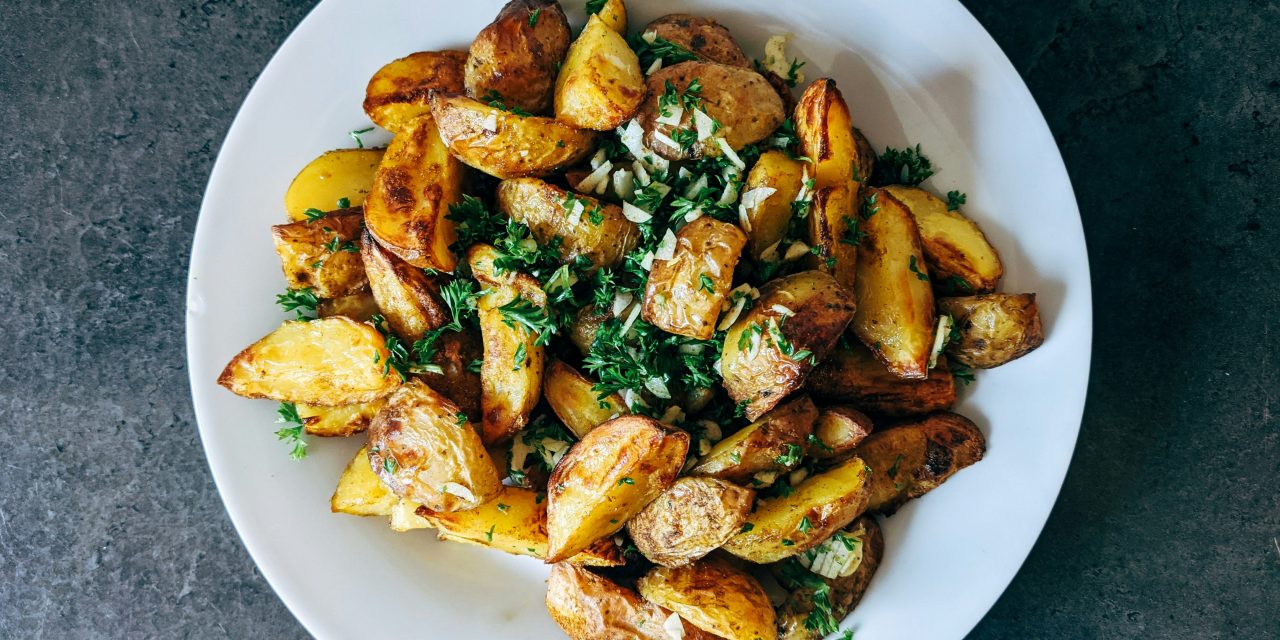
Selecting the appropriate variety of potatoes is crucial for achieving the perfect baked potato. The ideal candidates are starchy potatoes, particularly Russets, which are renowned for their fluffy interiors and crispy skins. These potatoes contain a high starch content, which contributes to their light and airy texture when cooked. Other suitable options include Idaho potatoes, which share similar characteristics with Russets, and Yukon Golds, known for their creamy consistency.
When choosing potatoes, it is essential to inspect them for blemishes, sprouts, or soft spots. Freshness is key; therefore, opt for firm potatoes with smooth skins. The size of the potatoes also matters; medium-sized specimens typically yield the best results, as they cook evenly and provide a satisfying portion. Avoid overly large potatoes, as they may require longer cooking times, leading to uneven textures.
Preparing Your Potatoes: Cleaning and Pricking
Once you have selected your potatoes, the next step involves thorough cleaning. Rinse each potato under cold running water to remove dirt and debris. A vegetable brush can be employed to scrub the skins gently, ensuring that any residual soil is eliminated. This step is vital not only for hygiene but also for enhancing the flavor of the skin during baking.
After cleaning, pricking the potatoes is essential to prevent them from bursting in the oven. Using a fork, pierce each potato several times on all sides. This allows steam to escape during the cooking process, ensuring that the interior cooks evenly while preventing any explosive mishaps. The pricking technique is a simple yet effective method that contributes significantly to the overall success of your baked potatoes.
The Importance of Drying Potatoes Thoroughly

Drying your potatoes thoroughly after washing is a critical step that should not be overlooked. Excess moisture on the surface can hinder the formation of a crispy skin during baking. To achieve optimal results, pat each potato dry with a clean kitchen towel or paper towels. This process not only removes moisture but also prepares the skin to absorb oil and seasonings more effectively.
In addition to enhancing texture, drying the potatoes helps in achieving a more flavorful skin. When moisture is present, it can create steam during baking, resulting in a soggy exterior rather than the desired crispiness. Therefore, taking the time to ensure that your potatoes are completely dry will significantly improve the final outcome of your baked dish.
Coating Potatoes with Oil for Crispy Skin

Coating your potatoes with oil is a pivotal step in achieving that coveted crispy skin. A light drizzle of olive oil or melted butter enhances flavor while promoting browning during baking. Use your hands or a brush to evenly coat each potato, ensuring that every surface is covered. This not only contributes to texture but also aids in flavor absorption.
The type of oil used can also influence the final taste of your baked potatoes. Olive oil provides a rich flavor profile, while canola or vegetable oil offers a more neutral taste. For those seeking an extra layer of flavor, consider infusing oils with herbs or garlic before applying them to the potatoes. This technique elevates the overall taste experience and adds a gourmet touch to your baked dish.
Seasoning Tips to Enhance Potato Flavor
Seasoning is an integral part of preparing baked potatoes that are not only delicious but also memorable. After coating with oil, sprinkle kosher salt generously over the surface of each potato. The salt enhances flavor and contributes to the crispiness of the skin as it bakes. Additionally, consider incorporating other seasonings such as garlic powder, onion powder, or smoked paprika for added depth.
For those who enjoy experimenting with flavors, fresh herbs like rosemary or thyme can be finely chopped and sprinkled over the oiled potatoes before baking. This infusion of herbs will permeate the skin during cooking, resulting in a fragrant and flavorful exterior. Remember that seasoning should be adjusted according to personal preference; therefore, feel free to get creative with spices that resonate with your palate.
Optimal Oven Temperature and Baking Time
The temperature at which you bake your potatoes plays a significant role in determining their texture and doneness. Preheat your oven to 425°F (220°C), which is considered optimal for achieving perfectly baked potatoes with crispy skins and fluffy interiors. This temperature allows for even cooking while promoting browning on the outside.
Baking time typically ranges from 45 minutes to 1 hour, depending on the size of the potatoes. Medium-sized Russets usually require about 50-60 minutes to reach optimal doneness. To ensure even cooking, it is advisable to turn the potatoes halfway through the baking process. This technique promotes uniform heat distribution and prevents any potential hot spots within the oven.
When it comes to baking potatoes, one common debate revolves around using aluminum foil versus placing them directly on the oven rack. Baking directly on the rack allows for better air circulation around the potatoes, resulting in crispier skins due to enhanced moisture evaporation. This method is highly recommended for those seeking that perfect crunch.
On the other hand, wrapping potatoes in foil can lead to softer skins as it traps steam during cooking. While this method may be preferred by some for its convenience and ease of cleanup, it sacrifices texture for tenderness. Ultimately, choosing between these two methods depends on personal preference; however, for optimal crispiness, baking without foil is generally favored.
Testing Potato Doneness for Fluffy Centers
Determining when your baked potatoes are done requires careful attention to texture and firmness. The most reliable method involves using a fork or skewer to pierce through the center of a potato; if it slides in easily without resistance, your potato is likely fully cooked. Additionally, gently squeezing the potato (using an oven mitt) should yield a soft and yielding texture.
Another indicator of doneness is visual cues; when baked properly, the skin should appear golden brown and slightly wrinkled. If you notice any firmness or resistance when testing with a fork, return the potato to the oven for an additional 5-10 minutes before rechecking. Ensuring that your potatoes are cooked thoroughly will guarantee a fluffy interior that complements their crispy exterior.
Techniques to Achieve Extra Crispy Skin
For those who desire an exceptionally crispy skin on their baked potatoes, several techniques can be employed to elevate texture further. One effective method involves increasing the oven temperature slightly during the last 10-15 minutes of baking; this promotes additional browning and crispiness without compromising doneness.
Another technique involves using a coarse sea salt rub on the oiled surface before baking. The salt crystals create an abrasive texture that enhances crispiness as they bake into the skin. Additionally, consider using a convection setting if available; this circulates hot air around the potatoes, resulting in even more pronounced crispiness.
Serving Suggestions and Toppings
Once your baked potatoes are perfectly cooked and crispy, it’s time to explore serving suggestions and toppings that can elevate your dish further. Classic toppings include sour cream, chives, shredded cheese, and bacon bits; these additions provide contrasting flavors and textures that enhance the overall experience.
For those seeking healthier options, consider topping with Greek yogurt instead of sour cream or adding steamed broccoli for a nutritious twist. Experimenting with different cheeses such as feta or goat cheese can also introduce unique flavor profiles that complement the potato’s natural taste. The possibilities are endless; let your creativity shine through by combining various toppings that suit your palate.
Troubleshooting Common Baking Issues
Despite careful preparation and execution, issues may arise during the baking process that can affect outcomes. One common problem is undercooked potatoes; if this occurs, simply return them to the oven for additional time while checking periodically until they reach desired doneness.
Another issue may involve overly dry or tough skins; this can result from excessive baking time or insufficient oil application prior to cooking. To remedy this situation in future attempts, ensure proper oil coverage and monitor baking times closely based on potato size.
In conclusion, mastering the art of baking potatoes involves careful selection of varieties, thorough preparation techniques, and attention to detail throughout the cooking process. By following these guidelines—from choosing starchy varieties like Russets to employing effective seasoning methods—you can achieve perfectly baked potatoes with crispy skins and fluffy interiors every time.
In summary, selecting high-starch varieties such as Russets ensures optimal texture; thorough cleaning and drying enhance flavor; oil coating promotes crispiness; seasoning elevates taste; proper temperature and timing yield perfect doneness; direct baking enhances skin texture; testing doneness guarantees fluffiness; techniques for extra crispiness can be employed; serving suggestions allow for creativity; troubleshooting common issues ensures consistent results.
FAQs
What type of potatoes are best for baking?
The best types of potatoes for baking are Russet potatoes and Idaho potatoes. These varieties have a high starch content, which contributes to a fluffy interior when baked.
How do you prepare potatoes for baking?
To prepare potatoes for baking, first wash them thoroughly to remove any dirt. Then, poke several holes in each potato with a fork to allow steam to escape during baking. Optionally, you can rub the skins with olive oil and sprinkle with salt for added flavor and crispiness.
What temperature should you bake potatoes at?
Potatoes should be baked at a temperature of 425°F (220°C). This high temperature helps to achieve a crispy skin while ensuring the inside becomes fluffy and tender.
How long does it take to bake potatoes?
Baking potatoes typically takes about 45 to 60 minutes, depending on their size. Smaller potatoes may take closer to 45 minutes, while larger ones may require up to 60 minutes or more. It’s best to check for doneness by inserting a fork or knife into the center; it should slide in easily.
Can you bake potatoes in advance and reheat them?
Yes, you can bake potatoes in advance. To reheat them, wrap the potatoes in aluminum foil and place them in a preheated oven at 350°F (175°C) for about 15-20 minutes, or until heated through. This method helps maintain the crispy skin.