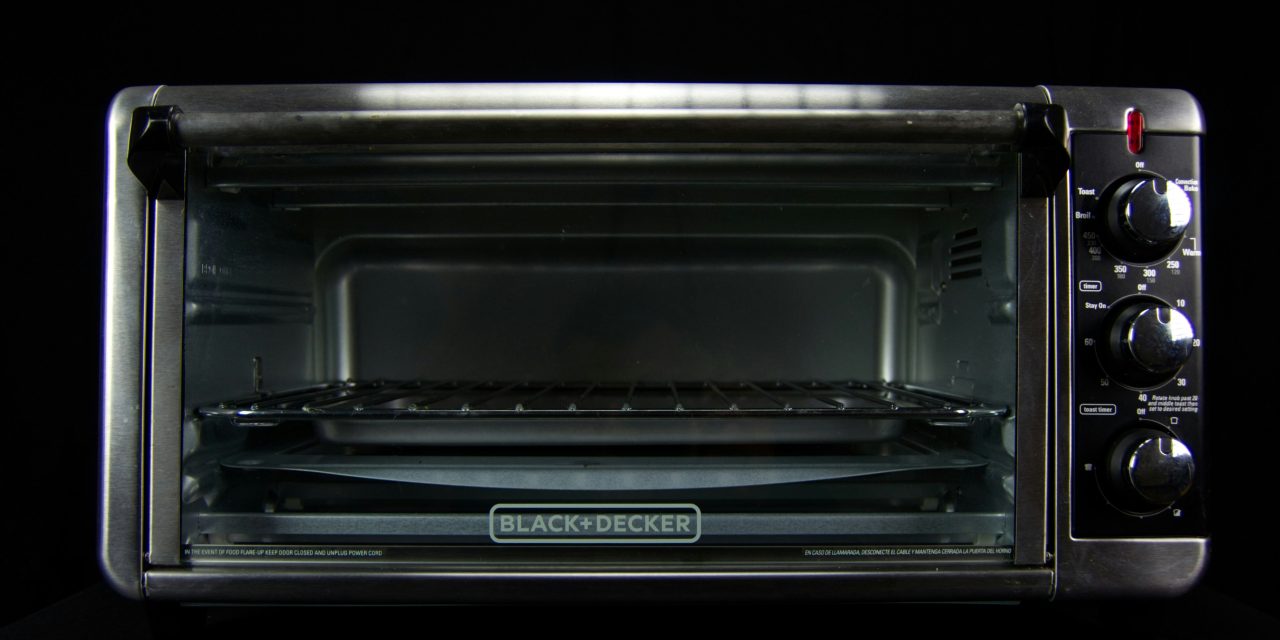
The culinary landscape has evolved significantly with the introduction of innovative cooking appliances, notably ovens and air fryers. While both devices serve the primary purpose of cooking food, they operate on fundamentally different principles. Traditional ovens utilize convection heat, which circulates hot air around the food, allowing for even cooking. This method is effective for baking, roasting, and broiling, providing a consistent temperature throughout the cooking process. Ovens can accommodate larger quantities of food, making them ideal for family meals or gatherings.
In contrast, air fryers employ a technology known as rapid air circulation. This mechanism allows hot air to circulate at high speeds around the food, creating a crispy exterior while retaining moisture within. The compact design of air fryers means they typically cook food faster than conventional ovens. Additionally, air fryers often require less oil, making them a healthier alternative for achieving that desirable crunch without excessive fat. Understanding these differences is crucial for home cooks looking to optimize their culinary creations across both platforms.
Why Convert Oven Recipes for Air Fryers?
Converting oven recipes for air fryer use can significantly enhance the cooking experience and outcomes. One of the primary reasons for this conversion is the efficiency of air fryers. They preheat quickly and cook food faster than traditional ovens, which can save valuable time in meal preparation. Moreover, air fryers often yield a crispier texture, which is particularly appealing for fried foods and snacks. By adapting oven recipes, cooks can enjoy the benefits of reduced cooking times and healthier meal options without sacrificing flavor or texture.
Another compelling reason to convert recipes is the versatility of air fryers. Many models come equipped with various settings that allow for baking, roasting, grilling, and even dehydrating. This multifunctionality means that home cooks can experiment with a wide range of dishes that may not have been feasible in a conventional oven. By converting oven recipes, individuals can explore new culinary horizons while enjoying the convenience and health benefits that air frying offers.
Adjusting Cooking Temperature for Air Fryer Use

When transitioning from an oven to an air fryer, one of the most critical adjustments involves temperature settings. Generally, it is advisable to reduce the cooking temperature by approximately 25°F (about 14°C) when using an air fryer. This adjustment accounts for the more efficient heat circulation within the appliance, which can lead to quicker cooking times and potentially overcooked food if traditional oven temperatures are maintained.
For instance, if a recipe calls for baking at 400°F (204°C) in an oven, setting the air fryer to 375°F (190°C) would be more appropriate. This temperature modification ensures that food cooks evenly without burning or drying out. Additionally, it is essential to monitor the cooking process closely, as air fryers can vary in performance based on brand and model. Familiarizing oneself with the specific air fryer being used will help in achieving optimal results.
Modifying Cooking Time: Tips and Guidelines

In addition to adjusting temperature settings, modifying cooking times is crucial when converting oven recipes for air fryer use. Air fryers typically cook food faster due to their compact size and efficient heat distribution. As a general guideline, it is recommended to reduce the cooking time by about 20-25% compared to traditional oven recipes.
For example, if a dish requires 30 minutes in an oven, it may only need 22-24 minutes in an air fryer. However, this is not a one-size-fits-all approach; factors such as the type of food being cooked and its thickness can influence cooking duration. It is advisable to check for doneness a few minutes before the suggested time by using a food thermometer or visually inspecting the food for desired texture and color.
Selecting the Right Air Fryer Basket or Tray
Choosing the appropriate basket or tray for an air fryer is essential for achieving optimal cooking results. Most air fryers come with a basket designed to allow hot air to circulate freely around the food, promoting even cooking and browning. It is crucial to avoid overcrowding the basket, as this can hinder airflow and lead to uneven results.
For certain recipes, such as baked goods or delicate items like fish fillets, using a tray or pan may be more suitable. Silicone mats or parchment paper can also be employed to prevent sticking and facilitate easy cleanup. When selecting accessories, ensure they are compatible with your specific air fryer model and made from materials that can withstand high temperatures without releasing harmful chemicals.
Preparing Ingredients for Air Fryer Cooking
Properly preparing ingredients is vital for successful air frying. Start by cutting vegetables and proteins into uniform sizes to ensure even cooking. For instance, chicken pieces should be similar in thickness to promote consistent doneness throughout. Marinating proteins or seasoning vegetables before cooking can enhance flavor profiles significantly.
Additionally, consider preheating the air fryer before adding ingredients. Preheating helps achieve that coveted crispy texture by ensuring that food begins cooking immediately upon contact with the hot surface. Lightly coating ingredients with oil can also improve browning and crispiness; however, it is essential to use oil sparingly to maintain the health benefits associated with air frying.
Adapting Common Oven Recipes: Examples and Tips
Adapting common oven recipes for air fryer use can be straightforward with a few adjustments. For example, when converting a roasted vegetable recipe, reduce the temperature as previously mentioned and cut down on cooking time. Tossing vegetables in a small amount of oil and seasoning before placing them in the air fryer basket will yield deliciously crispy results.
Another example involves baking cookies. Instead of spreading cookie dough on a baking sheet as one would in an oven, place small mounds of dough in the air fryer basket while ensuring adequate space between them for airflow. Monitor closely as cookies may bake faster than expected; checking them a few minutes earlier than the original recipe suggests will help prevent overbaking.
Monitoring Food During Air Frying for Best Results
Monitoring food during the air frying process is crucial for achieving optimal results. Unlike traditional ovens where one can set a timer and walk away, air fryers require more attention due to their rapid cooking capabilities. It is advisable to check on food periodically to ensure it does not overcook or burn.
Many modern air fryers come equipped with timers and automatic shut-off features that enhance convenience; however, relying solely on these functions may not guarantee perfect outcomes every time. Utilizing visual cues such as color and texture will help determine doneness more accurately. For instance, foods should exhibit a golden-brown exterior when properly cooked.
Troubleshooting Common Issues When Converting Recipes
Converting recipes from oven to air fryer may present challenges that require troubleshooting skills. One common issue is uneven cooking; this often occurs when food is overcrowded in the basket or not arranged properly for optimal airflow. To remedy this problem, ensure that ingredients are spread out evenly and avoid stacking items on top of each other.
Another frequent concern is food sticking to the basket or tray. To prevent this issue, lightly coat ingredients with oil or use parchment paper designed for air fryers. If food continues to stick despite these precautions, consider investing in non-stick spray specifically formulated for high-temperature cooking.
Cleaning and Maintenance After Air Fryer Use
Maintaining cleanliness after using an air fryer is essential for longevity and performance. Most components of an air fryer are dishwasher-safe; however, hand washing with warm soapy water is often recommended to preserve non-stick coatings. After each use, allow the appliance to cool down before disassembling it for cleaning.
Pay special attention to the basket and tray where grease and food particles may accumulate. Regularly cleaning these parts will prevent buildup that could affect flavor during future cooking sessions. Additionally, wiping down the exterior of the appliance with a damp cloth will keep it looking pristine.
Experimenting and Perfecting Your Air Fryer Recipes
The beauty of using an air fryer lies in its versatility and potential for experimentation. Home cooks are encouraged to try new recipes and adapt existing ones based on personal preferences and dietary needs. The ability to adjust temperatures and cooking times opens up a world of culinary possibilities.
As you gain experience with your air fryer, take notes on what works well and what doesn’t; this practice will help refine your techniques over time. Don’t hesitate to explore various cuisines or ingredients that may not have been traditionally associated with air frying—this appliance can surprise you with its capabilities!
In summary, understanding how to convert oven recipes for air fryer use involves adjusting temperatures and cooking times while selecting appropriate accessories and preparing ingredients correctly. Monitoring food during cooking ensures optimal results while troubleshooting common issues enhances overall success in adapting recipes. Regular cleaning and maintenance contribute to longevity, allowing home cooks to experiment freely with their culinary creations in this innovative appliance.
By embracing these principles and techniques, individuals can maximize their enjoyment of both ovens and air fryers while creating delicious meals that cater to their tastes and lifestyles.
FAQs
What is the general temperature adjustment when converting oven recipes for an air fryer?
When converting oven recipes for an air fryer, it is generally recommended to reduce the cooking temperature by about 25°F (approximately 14°C). This adjustment helps to account for the more efficient heat circulation in an air fryer.
How does cooking time change when using an air fryer instead of an oven?
Cooking times in an air fryer are typically shorter than in a conventional oven. A good rule of thumb is to reduce the cooking time by about 20-25%. It’s advisable to check for doneness a few minutes earlier than the original recipe suggests.
Can I use the same cookware in an air fryer as I do in an oven?
Not all cookware suitable for the oven can be used in an air fryer. It’s important to use air fryer-safe materials, such as metal, silicone, or certain glass dishes. Avoid using plastic or non-heat-resistant materials that could melt or warp.
Are there any specific foods that do not convert well to air fryer recipes?
Foods that are very liquid or have a high moisture content, such as soups or stews, do not convert well to air fryer recipes. Additionally, batters that require deep frying may not yield the same results in an air fryer.
Do I need to preheat my air fryer before cooking?
Preheating an air fryer is often recommended, although not always necessary. Preheating can help achieve a better texture and cooking results, especially for foods that benefit from a crispy exterior. Check your air fryer’s manual for specific guidance on preheating.