Air frying has revolutionized the culinary landscape, particularly for health-conscious individuals seeking to enjoy their favorite foods without the excess calories associated with traditional frying methods. When it comes to salmon, air frying offers a plethora of benefits that enhance both flavor and nutritional value. One of the primary advantages is the reduction in fat content. Air fryers utilize rapid air circulation technology, allowing for the cooking of salmon with minimal oil, which significantly lowers the overall caloric intake while preserving essential omega-3 fatty acids.
Moreover, air frying promotes even cooking and a delightful crispiness that can rival that of pan-frying or deep-frying. The high-speed air circulation ensures that the salmon cooks uniformly, resulting in a tender interior and a beautifully crisp exterior. This method not only enhances the texture but also locks in moisture, preventing the fish from becoming dry or overcooked. Additionally, air frying is a time-efficient cooking method, making it an ideal choice for busy individuals who still want to enjoy a nutritious meal without spending hours in the kitchen.
Choosing the Right Cut of Salmon for Air Frying
Selecting the appropriate cut of salmon is crucial for achieving optimal results when air frying. There are several varieties available, including Atlantic salmon, sockeye salmon, and coho salmon, each offering distinct flavors and textures. Atlantic salmon is known for its rich, buttery taste and high-fat content, making it an excellent choice for air frying as it remains moist during the cooking process. Sockeye salmon, on the other hand, has a firmer texture and a more pronounced flavor, which can also be enhanced through air frying.
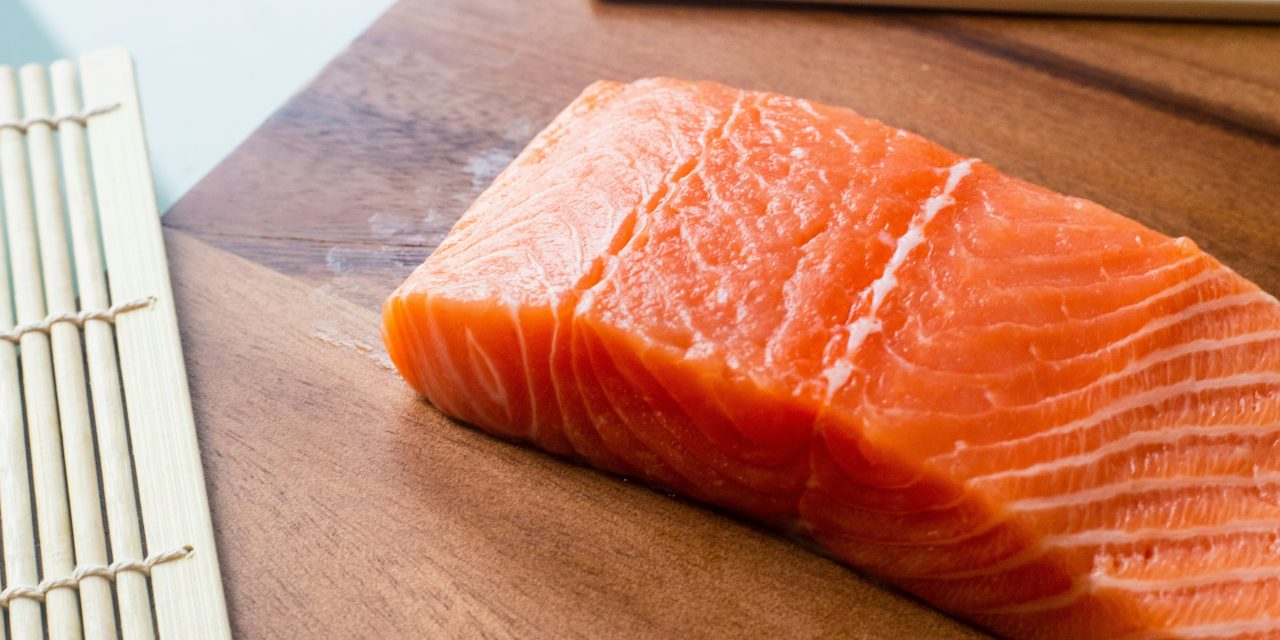
When choosing your salmon, consider the thickness of the fillet. Thicker cuts tend to retain moisture better and are less likely to dry out during cooking. A fillet that is approximately 1 to 1.5 inches thick is ideal for air frying, as it allows for even cooking while maintaining juiciness. Additionally, look for fresh salmon with vibrant color and minimal odor; these indicators suggest quality and freshness, which are essential for a delicious final dish.
Preparing Your Salmon: Tips for Moisture Retention

Proper preparation is key to ensuring that your air-fried salmon remains moist and flavorful. One effective technique is to brine the fish before cooking. A simple brine solution made from water and salt can help enhance moisture retention by allowing the salmon to absorb water and flavor before it hits the air fryer. Soaking the fillets in this solution for about 30 minutes can significantly improve texture and taste.
Another important aspect of preparation is patting the salmon dry with paper towels before seasoning. This step removes excess moisture from the surface, allowing seasonings to adhere better and promoting a crispier exterior during cooking. Additionally, consider marinating your salmon for at least 30 minutes prior to air frying. A marinade not only infuses flavor but also creates a protective barrier that helps retain moisture during the cooking process.
Essential Seasonings and Marinades to Enhance Flavor

The right seasonings and marinades can elevate your air-fried salmon from ordinary to extraordinary. A simple yet effective seasoning blend includes salt, pepper, garlic powder, and paprika. This combination enhances the natural flavors of the fish without overpowering them. For those seeking a more adventurous flavor profile, consider using a marinade that incorporates ingredients such as soy sauce, honey, ginger, and sesame oil. This Asian-inspired marinade adds depth and complexity while complementing the richness of the salmon.
Herbs also play a vital role in enhancing flavor. Fresh dill, parsley, or cilantro can be sprinkled on top of the salmon before air frying to impart a fresh aroma and taste. Citrus zest from lemons or limes can also brighten up the dish, providing a refreshing contrast to the richness of the fish. Experimenting with different combinations of herbs and spices allows you to customize your air-fried salmon to suit your palate.
Preheating Your Air Fryer for Optimal Cooking
Preheating your air fryer is an essential step that should not be overlooked when preparing salmon. By preheating the appliance to the desired temperature before placing your fish inside, you ensure that cooking begins immediately upon contact with the heat source. This practice helps achieve a crispy exterior while locking in moisture within the fillet.
Most air fryers require only a few minutes of preheating time—typically around 3 to 5 minutes at 400°F (200°C). During this time, you can prepare your salmon by seasoning or marinating it as discussed earlier. Once preheated, carefully place your salmon in the basket without overcrowding to allow for optimal air circulation.
Setting the Perfect Temperature and Time for Salmon
Determining the ideal temperature and cooking time is crucial for achieving perfectly cooked air-fried salmon. Generally, a temperature of 375°F (190°C) is recommended for cooking salmon fillets. At this temperature, you can expect cooking times to range from 8 to 12 minutes, depending on the thickness of your fillet.
For fillets that are approximately 1 inch thick, aim for around 8 minutes of cooking time; thicker cuts may require up to 12 minutes. It’s essential to monitor your salmon closely as cooking times may vary based on individual air fryer models and specific fillet sizes. Using a meat thermometer can help ensure accuracy; salmon should reach an internal temperature of 145°F (63°C) for safe consumption.
Using Foil or Parchment Paper to Prevent Drying
To further enhance moisture retention during air frying, consider using aluminum foil or parchment paper in your air fryer basket. Lining the basket with these materials can create a barrier that helps trap steam while allowing hot air to circulate around the fish. This technique not only prevents drying but also simplifies cleanup after cooking.
When using foil, ensure that it does not obstruct airflow by leaving some space around the edges for hot air circulation. Parchment paper is another excellent option as it is designed specifically for high-heat cooking and can withstand temperatures typically used in air fryers without compromising food safety.
Checking for Doneness Without Overcooking
Monitoring doneness is critical when preparing salmon in an air fryer to avoid overcooking—a common pitfall that can lead to dry fish. One effective method for checking doneness is using a fork to gently flake the thickest part of the fillet; if it flakes easily and appears opaque throughout, it is likely cooked through.
Alternatively, employing a meat thermometer provides an accurate assessment of doneness. As previously mentioned, aim for an internal temperature of 145°F (63°C). If you find that your salmon is nearing this temperature but still appears slightly translucent in the center, allow it to rest for a few minutes after removing it from the air fryer; residual heat will continue cooking the fish gently.
Resting Your Salmon After Air Frying
Resting your air-fried salmon is an often-overlooked step that can significantly enhance its flavor and texture. Allowing the fish to rest for about 5 minutes after cooking enables juices to redistribute throughout the fillet, resulting in a more succulent bite. During this resting period, cover the salmon loosely with aluminum foil to retain warmth without trapping steam.
This brief pause also provides an opportunity to prepare any accompanying side dishes or sauces while ensuring that your main protein remains at an optimal serving temperature.
Serving Suggestions to Complement Your Air-Fried Salmon
Air-fried salmon pairs beautifully with various side dishes that enhance its rich flavor profile while providing balanced nutrition. Consider serving it alongside roasted vegetables such as asparagus or Brussels sprouts drizzled with olive oil and seasoned with salt and pepper. These vegetables not only add color but also contribute essential vitamins and minerals.
For a refreshing contrast, a light salad featuring mixed greens, cherry tomatoes, cucumber slices, and a citrus vinaigrette complements the richness of the fish perfectly. Additionally, whole grains such as quinoa or brown rice provide fiber and complex carbohydrates that round out your meal nutritionally.
Troubleshooting Common Issues and Tips for Success
Despite its simplicity, air frying salmon may present challenges that require troubleshooting. One common issue is uneven cooking; this can occur if fillets are overcrowded in the basket or if they vary significantly in thickness. To avoid this problem, ensure adequate space between each piece of fish and opt for uniform cuts whenever possible.
Another potential issue is dryness; if you find your salmon lacks moisture after cooking, consider adjusting your brining or marinating techniques or experimenting with different cooking times and temperatures until you achieve your desired results.
Lastly, if you encounter sticking issues when removing your salmon from the basket, lightly spraying it with non-stick cooking spray before placing it in the air fryer can help prevent adhesion.
In summary, mastering the art of air frying salmon involves understanding its benefits, selecting quality cuts, preparing effectively for moisture retention, utilizing appropriate seasonings and marinades, preheating correctly, setting optimal temperatures and times, checking doneness accurately, allowing resting time post-cooking, serving thoughtfully alongside complementary dishes, and troubleshooting common issues as they arise. By following these guidelines, you can enjoy deliciously cooked salmon that is both healthy and satisfying.
### FAQ Section
1. **Can I use frozen salmon in an air fryer?**
Yes! You can cook frozen salmon directly in an air fryer without thawing it first; however, you may need to increase cooking time by a few minutes.
2. **What type of oil should I use when air frying salmon?**
Olive oil or avocado oil are excellent choices due to their high smoke points and health benefits.
3. **How do I store leftover air-fried salmon?**
Store leftover salmon in an airtight container in the refrigerator for up to three days; reheat gently in the air fryer or microwave.
4. **Can I cook other types of fish using this method?**
Absolutely! Many types of fish such as trout or tilapia can be successfully cooked using similar techniques in an air fryer.
5. **Is it necessary to use a marinade?**
While not mandatory, marinating enhances flavor and moisture retention; feel free to experiment with different marinades based on personal preference.
6. **What should I do if my salmon is overcooked?**
If overcooked, consider serving it with sauces or toppings like yogurt sauce or salsa verde to add moisture back into each bite.
7. **How do I clean my air fryer after cooking?**
Allow it to cool completely before wiping down surfaces with warm soapy water; removable parts are often dishwasher safe but check manufacturer guidelines first.
8. **Can I use skin-on fillets?**
Yes! Skin-on fillets can add extra flavor and help retain moisture during cooking; just ensure skin-side down when placing in the basket.
9. **What sides pair well with air-fried salmon?**
Consider pairing with roasted vegetables like broccoli or sweet potatoes along with grains such as quinoa or couscous for a balanced meal.
10. **How do I know if my air fryer is working properly?**
Regularly check temperature accuracy using an oven thermometer; if consistently off by more than 25°F (14°C), consider recalibrating or consulting manufacturer support.
In conclusion, mastering air-fried salmon involves understanding various techniques from preparation through serving while troubleshooting common issues along the way ensures success every time you cook this nutritious fish!
FAQs
What temperature should I set my air fryer to cook salmon?
For optimal results, set your air fryer to 375°F (190°C) when cooking salmon. This temperature allows the fish to cook evenly while retaining moisture.
How long does it take to cook salmon in an air fryer?
Cooking salmon in an air fryer typically takes about 8 to 12 minutes, depending on the thickness of the fillet. It’s important to check for doneness to avoid overcooking.
Should I marinate the salmon before air frying?
Marinating the salmon before air frying can enhance its flavor and help keep it moist. A simple marinade of olive oil, lemon juice, and herbs works well.
How can I prevent the salmon from drying out in the air fryer?
To prevent drying out, avoid overcooking the salmon and consider using a light coating of oil or butter. Additionally, cooking it with the skin side down can help retain moisture.
Is it necessary to preheat the air fryer before cooking salmon?
Preheating the air fryer is recommended for even cooking. Preheating for about 3 to 5 minutes before adding the salmon can help achieve a better texture and flavor.