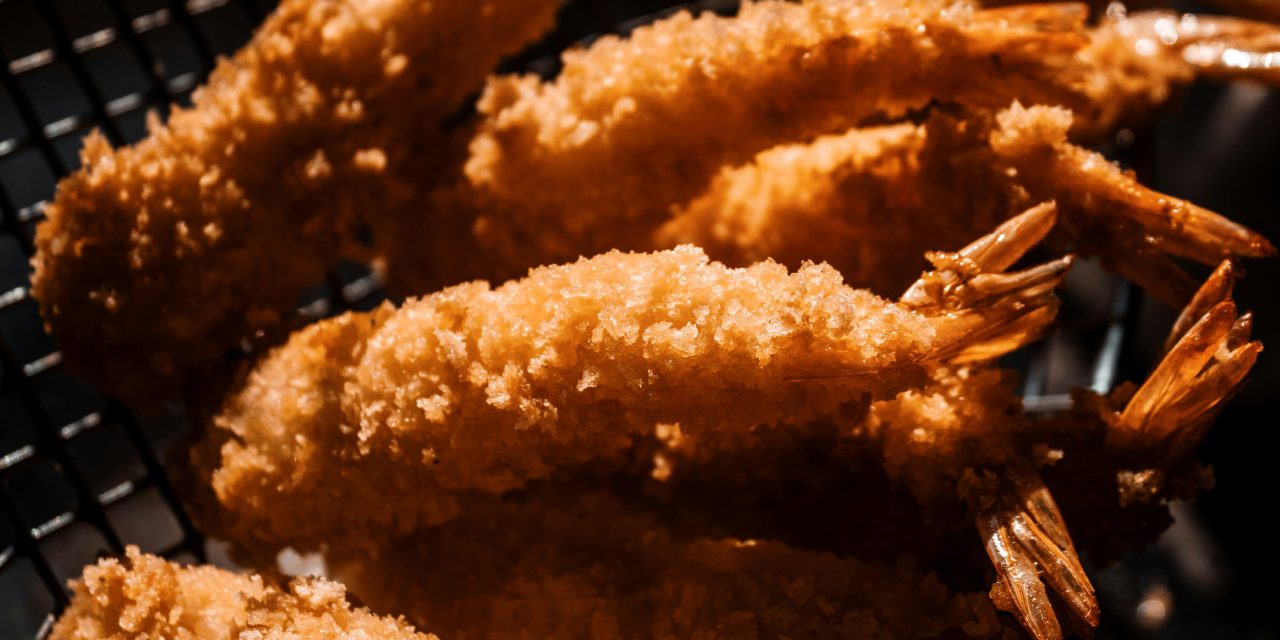
Overcrowding the air fryer basket is a common mistake that can significantly impact the cooking process and the final outcome of your meals. When too much food is packed into the basket, it restricts airflow, which is essential for achieving that crispy texture that air fryers are renowned for. The principle behind air frying relies on hot air circulating around the food, allowing it to cook evenly and develop a golden-brown exterior. When the basket is overcrowded, some pieces may remain undercooked, while others may burn, leading to an inconsistent texture and flavor profile.
To avoid this pitfall, it is advisable to cook in smaller batches. This not only ensures that each piece of food receives adequate exposure to the circulating hot air but also allows for better seasoning and flavor absorption. A good rule of thumb is to fill the basket no more than two-thirds full. If you are preparing a large meal, consider cooking in stages or using multiple air fryers if available. This approach will yield better results and enhance your overall cooking experience.
Using Excessive Oil
While air fryers are designed to reduce the amount of oil needed for cooking, using excessive oil can negate their health benefits and lead to greasy food. The beauty of air frying lies in its ability to create crispy textures with minimal fat, making it a healthier alternative to traditional frying methods. However, when too much oil is added, it can cause food to become soggy rather than crispy, as the excess oil can pool at the bottom of the basket.
To achieve optimal results, it is recommended to use a light coating of oil—typically one to two teaspoons per serving is sufficient. Utilizing a spray bottle or a brush can help distribute oil evenly across the food surface without overwhelming it. Additionally, opting for healthier oils such as olive oil or avocado oil can enhance flavor while maintaining nutritional integrity. By adhering to these guidelines, you can enjoy deliciously crispy meals without compromising on health.
Not Preheating the Air Fryer

Preheating the air fryer is a crucial step that many users overlook. Just like conventional ovens, air fryers benefit from being preheated before cooking begins. This process ensures that the appliance reaches the desired temperature, allowing food to cook evenly and efficiently from the moment it enters the basket. Skipping this step can lead to longer cooking times and uneven results, as food may not crisp up properly.
To preheat your air fryer, simply set it to the desired temperature and allow it to run for about 3-5 minutes before adding your ingredients. This brief period allows the heating element to reach optimal cooking conditions, ensuring that your food starts cooking immediately upon contact with the hot air. By incorporating this simple practice into your routine, you can significantly improve the quality of your air-fried dishes.
Ignoring Proper Food Preparation

Proper food preparation is essential for achieving the best results when using an air fryer. This includes washing, cutting, and seasoning ingredients appropriately before cooking. Neglecting these steps can lead to uneven cooking and subpar flavor profiles. For instance, cutting vegetables into uniform sizes ensures that they cook at the same rate, preventing some pieces from becoming overcooked while others remain raw.
Additionally, marinating or seasoning food prior to cooking can enhance flavor and texture. Allowing proteins to marinate for at least 30 minutes can infuse them with rich flavors and improve tenderness. For vegetables, tossing them in a light coating of oil and seasoning before placing them in the air fryer can elevate their taste and ensure they achieve that desirable crispiness. By dedicating time to proper food preparation, you set the stage for a successful air frying experience.
Setting Incorrect Temperature and Time
Setting incorrect temperature and time parameters is another frequent error that can lead to disappointing results when using an air fryer. Each type of food has its ideal cooking temperature and duration; failing to adhere to these guidelines can result in undercooked or burnt meals. For example, chicken wings may require a higher temperature than vegetables to achieve optimal crispiness.
To avoid this issue, it is essential to consult reliable cooking charts or recipes specifically designed for air frying. Most air fryers come with preset temperatures for common foods; however, personal preferences may vary. It is advisable to start with recommended settings and adjust based on your taste preferences or specific appliance performance. Keeping a cooking journal can also be beneficial for tracking successful temperature and time combinations for future reference.
Failing to Shake or Flip Food During Cooking
One of the key advantages of air frying is its ability to circulate hot air around food for even cooking. However, failing to shake or flip food during the cooking process can lead to uneven browning and texture. As food cooks, certain areas may receive more heat than others, resulting in some pieces being perfectly crisp while others remain soft or undercooked.
To ensure even cooking, it is recommended to shake the basket or flip food halfway through the cooking time. This simple action redistributes the food and allows all pieces to benefit from the circulating hot air. For larger items such as chicken breasts or thick cuts of meat, flipping them over once during cooking can help achieve a uniform texture on both sides. By incorporating this practice into your routine, you will enhance the overall quality of your air-fried dishes.
Using the Wrong Type of Cooking Spray
Using incompatible cooking sprays can adversely affect both the performance of your air fryer and the quality of your food. Many commercial cooking sprays contain additives that can create a sticky residue on the basket’s surface, leading to difficult cleanup and potential damage over time. Furthermore, certain sprays may not withstand high temperatures, resulting in off-flavors or harmful compounds being released during cooking.
To avoid these issues, opt for oils specifically designed for high-heat cooking or use a refillable spray bottle filled with your preferred oil. Olive oil, avocado oil, or grapeseed oil are excellent choices due to their high smoke points and health benefits. Additionally, using a silicone brush to apply oil directly onto food can provide better control over oil distribution without compromising your air fryer’s integrity.
Neglecting to Clean the Air Fryer Regularly
Regular maintenance of your air fryer is crucial for ensuring optimal performance and longevity. Neglecting to clean it after each use can lead to a buildup of grease and food particles that not only affect flavor but also pose potential health risks due to bacterial growth. A dirty air fryer may also result in unpleasant odors during cooking and decreased efficiency over time.
To maintain your appliance’s cleanliness, it is advisable to clean removable parts such as the basket and tray after every use with warm soapy water or in a dishwasher if they are dishwasher-safe. Wiping down the exterior with a damp cloth will help prevent grease buildup on surfaces. Additionally, performing a deep clean every few weeks by soaking parts in vinegar or baking soda solutions can help eliminate stubborn residues and odors.
Cooking Wet Batter or Saucy Foods Without Precautions
Cooking wet batter or saucy foods in an air fryer requires special attention due to their tendency to create messes and affect cooking performance. Wet batters can drip through the basket holes, leading to uneven cooking and potential damage to the appliance’s heating element. Similarly, saucy foods may not crisp up properly if they are coated too heavily.
To mitigate these issues, consider using dry coatings such as breadcrumbs or panko instead of wet batters when preparing items like chicken tenders or fish fillets. If you prefer using sauces, apply them sparingly or consider marinating beforehand rather than coating directly before cooking. Additionally, using parchment paper designed for air fryers can help catch drips while allowing for proper airflow around the food.
Relying Solely on Preset Programs
While preset programs on air fryers offer convenience, relying solely on them may limit your culinary creativity and prevent you from achieving optimal results tailored to your preferences. These presets are often generalized settings that may not account for variations in food size, thickness, or personal taste preferences.
To maximize your air frying experience, take time to experiment with manual settings based on specific recipes or desired outcomes. Adjusting temperature and time according to individual ingredients will allow you greater control over texture and flavor profiles. Keeping track of successful adjustments will enable you to refine your technique over time and develop a deeper understanding of how different foods behave in an air fryer.
Using Incompatible Cookware or Accessories
Using incompatible cookware or accessories in an air fryer can lead to safety hazards and suboptimal cooking results. Not all materials are suitable for high-heat environments; certain plastics may melt or release harmful chemicals when exposed to elevated temperatures. Additionally, using oversized pans may obstruct airflow within the appliance, preventing even cooking.
To ensure safety and efficiency while using an air fryer, always refer to manufacturer guidelines regarding compatible cookware materials such as metal or silicone options specifically designed for high-heat applications. Investing in accessories like silicone mats or baskets that fit snugly within your appliance will enhance performance while protecting its integrity.
In summary, mastering the art of air frying involves understanding common pitfalls such as overcrowding baskets, using excessive oil, neglecting preheating steps, improper food preparation techniques, incorrect temperature settings, failing to shake or flip food during cooking processes, utilizing unsuitable cooking sprays, neglecting regular cleaning routines, improperly handling wet batters or sauces without precautions taken beforehand; relying solely on preset programs instead of manual adjustments tailored towards individual preferences; lastly avoiding incompatible cookware/accessories altogether ensures safety & efficiency throughout each culinary endeavor undertaken within this versatile kitchen appliance!
By addressing these issues proactively through education & practice one can elevate their culinary skills while enjoying healthier meals prepared quickly & conveniently!
FAQs
What are some common mistakes people make when using an air fryer?
Common mistakes include overcrowding the basket, not preheating the air fryer, using too much oil, failing to shake or turn food during cooking, and not adjusting cooking times for different types of food.
How does overcrowding the air fryer affect cooking?
Overcrowding the air fryer can lead to uneven cooking and prevent proper air circulation, resulting in food that is soggy or undercooked. It’s best to cook in batches to ensure even crispiness.
Is it necessary to preheat an air fryer?
Yes, preheating an air fryer is important as it helps achieve the desired cooking temperature quickly, ensuring that food cooks evenly and develops a crispy texture. Most air fryers have a preheat setting for convenience.
Can using too much oil ruin food in an air fryer?
Using too much oil can lead to greasy food and may cause smoke or splattering inside the air fryer. It’s recommended to use a light coating of oil or a spray to achieve the best results without excess fat.
Why is it important to shake or turn food during cooking?
Shaking or turning food during cooking promotes even browning and crispiness by allowing hot air to circulate around all sides of the food. This helps prevent uneven cooking and ensures a better texture.