A flaky pie crust is a quintessential component of many beloved desserts, serving as the foundation for both sweet and savory fillings. The hallmark of a successful flaky crust lies in its texture—light, airy, and crisp, providing a delightful contrast to the richness of the filling. Achieving this ideal texture requires a careful balance of ingredients, techniques, and temperature control. The science behind a flaky crust involves the creation of layers that expand during baking, resulting in a tender and flaky texture that melts in the mouth.
The process begins with understanding the role of each ingredient in the crust. Flour provides structure, while fat contributes to tenderness and flakiness. Water is essential for binding the ingredients together, but it must be used judiciously to avoid a tough texture. Mastering the art of flaky pie crust is not merely about following a recipe; it involves grasping the underlying principles that govern how these ingredients interact during preparation and baking.
Choosing the Right Ingredients for Tender Dough
Selecting high-quality ingredients is paramount when crafting a flaky pie crust. The primary ingredient, flour, should ideally be all-purpose flour or pastry flour, as these varieties contain moderate protein levels that yield a tender yet structured dough. All-purpose flour typically has a protein content ranging from 10-12%, while pastry flour hovers around 8-10%. This difference in protein affects gluten development, which is crucial for achieving the desired texture.
Fat is another critical component; unsalted butter is often preferred for its rich flavor and ability to create layers. The fat content in butter (approximately 80%) contributes to the crust’s flakiness by coating the flour particles and inhibiting gluten formation. Alternatively, some bakers opt for shortening or lard, which can enhance flakiness due to their higher fat content and lower water content compared to butter. Additionally, incorporating a small amount of sugar can enhance flavor and promote browning during baking.
The Importance of Cold Butter and Fat

Temperature plays a vital role in the creation of a flaky pie crust. Using cold butter or fat is essential because it helps to create distinct layers within the dough. When cold fat is cut into flour, it forms small pockets that will steam during baking, resulting in a light and flaky texture. If the fat is too warm or melted, it will blend too thoroughly with the flour, leading to a dense and tough crust.
To maintain the cold temperature of the fat, bakers often chill their butter in the freezer for about 15-20 minutes before use. Additionally, using ice-cold water when mixing the dough can further ensure that the fat remains solid until it is baked. This practice not only preserves the integrity of the fat but also enhances the overall flakiness of the crust.
Using the Proper Flour for Flakiness

The choice of flour significantly impacts the final texture of the pie crust. As previously mentioned, all-purpose flour is commonly used due to its versatility and balanced protein content. However, for those seeking an even flakier result, pastry flour is an excellent alternative. Its lower protein content results in less gluten formation, yielding a more tender crust.
In some cases, bakers may experiment with blending different types of flour to achieve a unique flavor and texture profile. For instance, incorporating whole wheat flour can add nuttiness and depth but may require adjustments in hydration levels due to its higher fiber content. Ultimately, understanding how different flours behave in dough preparation allows bakers to tailor their crusts to their specific preferences.
How to Measure Ingredients Accurately
Accurate measurement of ingredients is crucial for achieving consistent results in pie crust preparation. Using a kitchen scale to weigh flour and fat can provide more precise measurements than volume-based methods such as cups or tablespoons. For instance, one cup of all-purpose flour typically weighs around 120-130 grams, while variations in scooping techniques can lead to discrepancies.
When measuring flour by volume, it is essential to aerate it first by fluffing it with a whisk or spoon before spooning it into a measuring cup. This practice prevents packing and ensures that you are not using too much flour, which can lead to a dry dough. Similarly, when measuring butter or shortening, it is advisable to use cold ingredients and cut them into smaller pieces for easier incorporation into the flour.
Techniques for Cutting Fat into Flour
The method of cutting fat into flour is critical for achieving that coveted flaky texture. There are several techniques bakers can employ to incorporate fat effectively. The most traditional method involves using a pastry cutter or two forks to cut cold butter into small pieces until the mixture resembles coarse crumbs with pea-sized lumps of fat remaining.
Alternatively, some bakers prefer using their fingertips to rub the fat into the flour gently. This technique allows for greater control over the size of the fat pieces but requires careful handling to avoid warming the fat too much. A more modern approach involves using a food processor, which can quickly cut the fat into the flour but requires careful monitoring to prevent over-processing.
Keeping the Dough Cold Throughout the Process
Maintaining a cold environment throughout the dough preparation process is essential for achieving optimal flakiness. After mixing the dough, it should be wrapped in plastic wrap and chilled in the refrigerator for at least 30 minutes before rolling out. This resting period allows gluten to relax and prevents shrinkage during baking.
Additionally, when rolling out the dough, it is advisable to work on a cool surface and use chilled rolling pins if possible. If at any point during rolling or shaping the dough becomes too warm or sticky, returning it to the refrigerator for a brief chill can help restore its manageability.
Avoiding Overworking the Dough
Overworking pie dough can lead to excessive gluten development, resulting in a tough and chewy crust rather than a tender one. To avoid this pitfall, bakers should mix and handle the dough just until it comes together. It is perfectly acceptable for small bits of butter or fat to remain visible within the dough; these will create pockets of steam during baking that contribute to flakiness.
When rolling out the dough, gentle pressure should be applied without excessive force. If cracks form along the edges while rolling, they can be easily patched by pressing them together with fingers rather than re-kneading or overworking the entire piece.
Adding Just the Right Amount of Water
Water serves as a binding agent in pie crusts but must be added judiciously to prevent excess moisture from compromising texture. The general rule of thumb is to start with a small amount—typically around 2-4 tablespoons—and gradually add more as needed until the dough holds together without being sticky.
Using ice-cold water not only helps maintain temperature but also ensures that gluten formation remains minimal during mixing. It is advisable to sprinkle water over the flour mixture rather than pouring it directly in; this allows for better control over hydration levels.
Proper Rolling and Handling of the Dough
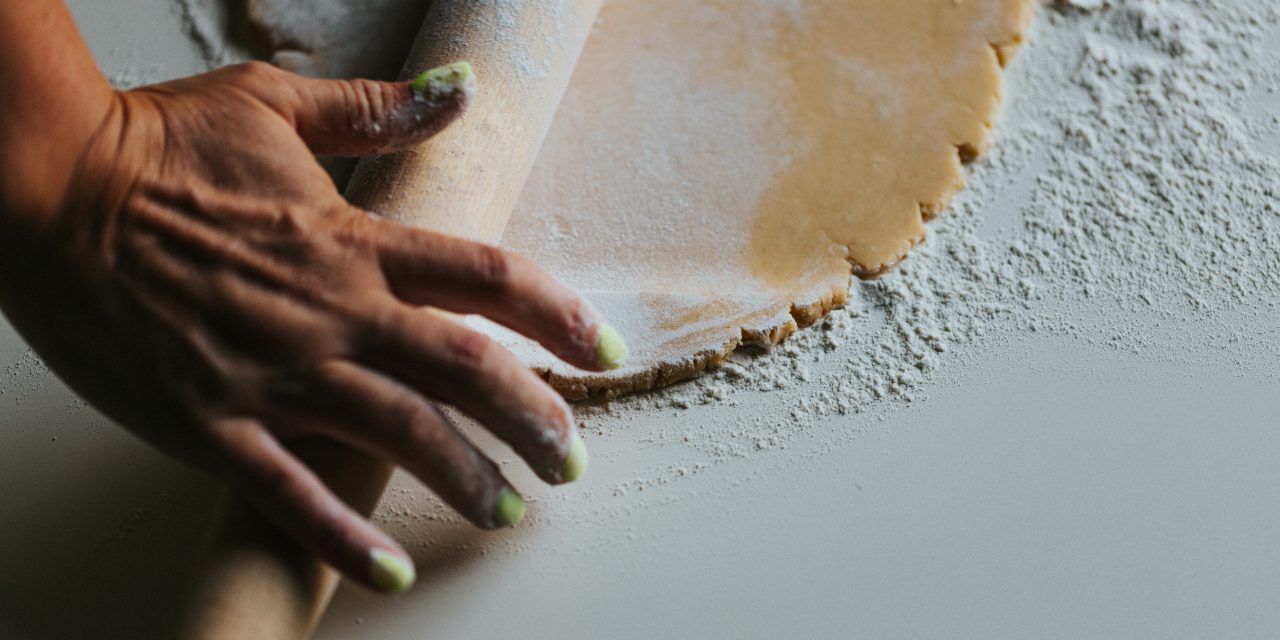
Rolling out pie dough requires finesse and attention to detail to achieve an even thickness without tearing or sticking. A lightly floured surface should be used for rolling; however, excessive flour can lead to dryness in the final product. It is best to dust both sides of the dough lightly with flour as needed.
When rolling out, start from the center and work outward in gentle strokes while rotating the dough occasionally to maintain an even shape. If at any point you notice sticking, lift and reposition the dough rather than forcing it off the surface.
Tips for Baking to Achieve a Perfectly Flaky Crust
Baking techniques play an integral role in achieving that perfect flaky crust. Preheating your oven adequately ensures that your pie crust begins cooking immediately upon entering, promoting proper puffing and browning. Using a baking stone or placing your pie on a preheated baking sheet can also help distribute heat evenly.
To prevent over-browning while ensuring thorough cooking, consider using pie weights or dried beans during blind baking. This technique involves lining your crust with parchment paper and filling it with weights before baking partially; this helps maintain shape while allowing moisture to escape.
In conclusion, mastering flaky pie crust involves understanding ingredient selection, temperature control, precise measurements, and proper techniques throughout preparation and baking processes. By adhering to these principles and practicing patience, bakers can create deliciously flaky crusts that elevate any pie experience.
In summary, achieving a flaky pie crust requires careful attention to ingredient quality, temperature management, accurate measurements, and proper handling techniques throughout preparation and baking processes. By following these guidelines diligently, bakers can create delightful crusts that serve as perfect vessels for their favorite fillings.
FAQs
What ingredients are essential for making a flaky pie crust?
To make a flaky pie crust, you will need all-purpose flour, cold unsalted butter, salt, and ice water. The cold butter is crucial for creating layers that result in flakiness, while the ice water helps to bind the dough without warming it up.
How does the temperature of the ingredients affect the pie crust?
The temperature of the ingredients is vital for achieving a flaky texture. Using cold butter and ice water prevents the fat from melting before baking, which helps create steam during baking that results in a flaky crust. Keeping everything cold until baking is key.
What techniques can help avoid tough dough when making pie crust?
To avoid tough dough, handle the dough as little as possible. Mix the ingredients just until combined, and avoid overworking the dough. Additionally, allowing the dough to rest in the refrigerator for at least 30 minutes helps relax the gluten, which can also contribute to tenderness.
Can I use a food processor to make pie crust, and if so, how?
Yes, you can use a food processor to make pie crust. Simply pulse the flour and salt together, then add cold butter in chunks and pulse until the mixture resembles coarse crumbs. Gradually add ice water while pulsing until the dough just comes together. Be careful not to over-process.
What are some common mistakes to avoid when making pie crust?
Common mistakes include using warm ingredients, overworking the dough, and not chilling the dough before rolling it out. Additionally, using too much water can lead to a tough crust, so it’s important to add just enough to bring the dough together without making it sticky.