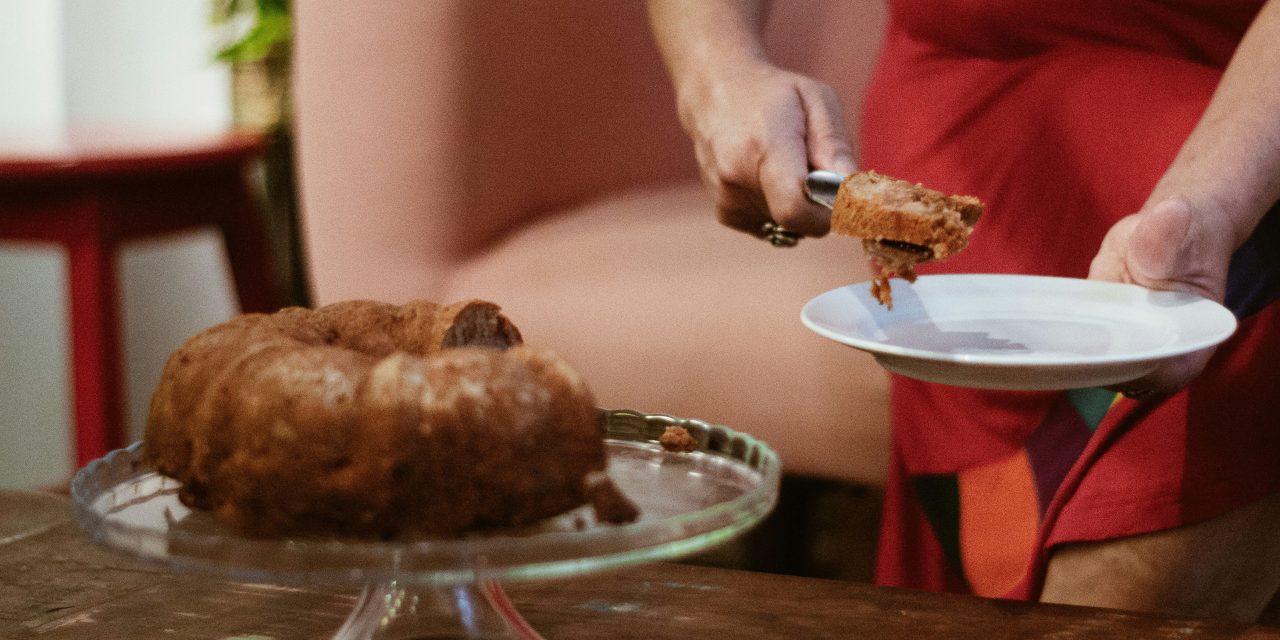
The quest for the perfect moist cake is a culinary endeavor that combines art and science. At its core, moisture retention in cakes is influenced by several factors, including ingredient composition, mixing techniques, and baking conditions. The primary components that contribute to a cake’s moisture are water, fats, and sugars. When these elements interact during the baking process, they create a delicate balance that determines the cake’s texture and flavor profile.
Moisture in cakes is primarily retained through the formation of a gluten network, which occurs when flour is mixed with liquid. This network traps air bubbles, allowing the cake to rise while maintaining its structure. Additionally, the Maillard reaction and caramelization contribute to flavor development and color, enhancing the overall sensory experience. Understanding these scientific principles is crucial for bakers aiming to achieve that coveted moist texture.
Choosing the Right Ingredients for Moisture
Selecting the appropriate ingredients is paramount in crafting a moist cake. Flour type plays a significant role; all-purpose flour is commonly used due to its moderate protein content, which provides a good balance between structure and tenderness. However, cake flour, with its lower protein content, can yield an even softer crumb.
Sugars also contribute to moisture retention. Granulated sugar absorbs liquid during mixing, while brown sugar, which contains molasses, adds additional moisture and flavor depth. Furthermore, incorporating ingredients such as yogurt or sour cream can enhance moisture levels due to their acidic nature, which tenderizes gluten and adds richness.
Fats are essential in creating a moist cake, as they coat flour proteins and inhibit gluten formation. The choice between butter and oil can significantly impact the final product. Butter, with its rich flavor and ability to create a stable emulsion, lends a delightful taste and texture to cakes. However, it has a lower moisture content compared to oil.
Oil, on the other hand, provides superior moisture retention due to its liquid state at room temperature. Cakes made with oil tend to remain moist for longer periods. For instance, vegetable oil or canola oil can be used interchangeably with butter in many recipes, but the resulting flavor profile will differ. A combination of both fats can also be employed to harness the benefits of each.
Incorporating Liquids: Milk, Buttermilk, and Alternatives

Liquid ingredients are crucial for achieving moisture in cakes. Milk is a staple in many recipes, providing hydration and contributing to the cake’s overall flavor. Buttermilk is particularly beneficial due to its acidity, which reacts with baking soda or baking powder to create a tender crumb while adding a subtle tang.
For those seeking dairy-free options, alternatives such as almond milk or coconut milk can be utilized without sacrificing moisture levels. These plant-based liquids not only maintain hydration but also introduce unique flavors that can enhance the cake’s profile. It is essential to consider the fat content of these alternatives; full-fat versions will yield better results than low-fat counterparts.
The Importance of Proper Mixing Techniques

Mixing techniques play a pivotal role in achieving a moist cake. Overmixing can lead to excessive gluten development, resulting in a dense and dry texture. Conversely, undermixing may prevent proper incorporation of ingredients, leading to uneven moisture distribution.
The creaming method is commonly employed for butter-based cakes, where softened butter and sugar are beaten together until light and fluffy. This process incorporates air into the batter, contributing to leavening during baking. For oil-based cakes, combining wet and dry ingredients separately before merging them minimizes gluten formation and promotes even moisture distribution.
Avoiding Overbaking: Tips for Perfect Timing
Overbaking is one of the most common culprits behind dry cakes. Monitoring baking time is crucial; even a few extra minutes in the oven can lead to significant moisture loss. To prevent this, bakers should rely on visual cues such as color and texture rather than solely on time.
Using a toothpick or cake tester inserted into the center of the cake can provide insight into doneness. If it comes out clean or with a few moist crumbs attached, the cake is ready to be removed from the oven. Additionally, rotating the cake halfway through baking ensures even heat distribution and prevents overbaking on one side.
Using Syrups and Soaks to Enhance Moisture
Incorporating syrups or soaks post-baking is an effective technique for enhancing moisture levels in cakes. Simple syrups made from equal parts sugar and water can be flavored with extracts or citrus zest for added depth. Brushing this syrup onto the cooled cake layers infuses them with moisture without altering their structure.
Soaking cakes in flavored liquids such as coffee or fruit juices can also elevate their taste while ensuring they remain moist. This technique is particularly popular in layered cakes or sponge cakes that tend to dry out quickly.
Adding Moisture-Rich Add-ins Without Weighting Down
Incorporating add-ins such as fruits or nuts can enhance moisture levels but must be done judiciously to avoid weighing down the batter. Fresh fruits like mashed bananas or applesauce not only contribute moisture but also add natural sweetness and flavor complexity.
Dried fruits can be rehydrated before adding them to the batter, ensuring they do not absorb excess moisture from the cake itself. Nuts should be chopped finely and toasted lightly to enhance their flavor without compromising the cake’s structure.
The Impact of Flour Type and Measurement Accuracy
The type of flour used significantly influences a cake’s moisture content and texture. As previously mentioned, cake flour yields a softer crumb due to its lower protein content compared to all-purpose flour. However, measuring flour accurately is equally important; too much flour can lead to dryness.
Using the spoon-and-level method or weighing flour with a kitchen scale ensures precision in measurements. This accuracy prevents variations in hydration levels that could result from inconsistent flour quantities.
Cooling and Storage Methods to Preserve Moisture
Proper cooling and storage techniques are essential for maintaining a cake’s moisture post-baking. Allowing cakes to cool in their pans for about 10-15 minutes before transferring them to wire racks prevents steam buildup that could lead to sogginess.
Once cooled completely, cakes should be wrapped tightly in plastic wrap or stored in airtight containers to minimize moisture loss during storage. For longer-term preservation, freezing cakes can be an effective strategy; wrapping them securely prevents freezer burn while retaining moisture.
Troubleshooting Common Mistakes That Lead to Dry or Dense Cakes
Bakers often encounter challenges that result in dry or dense cakes despite their best efforts. Common mistakes include using expired leavening agents or incorrect oven temperatures that can hinder proper rising and moisture retention.
To troubleshoot these issues, bakers should ensure that all ingredients are fresh and accurately measured. Additionally, investing in an oven thermometer can help verify that the oven temperature aligns with recipe requirements, preventing overbaking or underbaking scenarios.
In conclusion, achieving a moist cake requires an understanding of various scientific principles combined with careful ingredient selection and technique application. By focusing on factors such as ingredient types, mixing methods, baking times, and storage practices, bakers can create delectable cakes that are both flavorful and moist.
FAQ Section:
1. **What is the best type of flour for moist cakes?**
– Cake flour is ideal due to its lower protein content, resulting in a tender crumb.
2. **Can I use oil instead of butter?**
– Yes, oil can be used as a substitute for butter; it provides better moisture retention but alters flavor.
3. **How do I know when my cake is done baking?**
– Use a toothpick inserted into the center; it should come out clean or with a few moist crumbs attached.
4. **What are some good add-ins for moisture?**
– Mashed bananas, applesauce, yogurt, or rehydrated dried fruits work well without weighing down the batter.
5. **How should I store my cake to keep it moist?**
– Wrap it tightly in plastic wrap or store it in an airtight container at room temperature.
6. **Can I freeze my cake?**
– Yes! Freezing is an excellent way to preserve moisture; just ensure it’s wrapped securely.
7. **What causes my cake to be dense?**
– Overmixing or using too much flour can lead to density; ensure accurate measurements and gentle mixing.
8. **Is there a way to add flavor without losing moisture?**
– Yes! Using flavored syrups or extracts during mixing can enhance flavor without compromising moisture levels.
9. **How do I prevent my cake from drying out after baking?**
– Avoid overbaking by monitoring time closely and using proper cooling techniques post-baking.
10. **What should I do if my cake turns out dry?**
– Consider using syrups or soaking methods post-baking to reintroduce moisture into the cake.
In summary, mastering the art of creating moist cakes involves understanding ingredient interactions, employing proper techniques during mixing and baking, and utilizing effective storage methods post-baking. By addressing common pitfalls and implementing best practices outlined above, bakers can consistently produce deliciously moist cakes that delight the palate.
FAQs
What ingredients can help keep cakes moist?
Ingredients such as sour cream, yogurt, buttermilk, and applesauce can help retain moisture in cakes. These ingredients add moisture without making the cake dense, as they contain acidity that can enhance the cake’s texture.
How does the baking time affect cake moisture?
Overbaking can lead to dry cakes, so it’s essential to monitor the baking time closely. Using a toothpick to check for doneness can help; the cake is done when the toothpick comes out clean or with a few moist crumbs, but not wet batter.
Can I use oil instead of butter for a moister cake?
Yes, using oil instead of butter can result in a moister cake. Oil remains liquid at room temperature, which helps keep the cake moist, while butter can solidify and lead to a drier texture if overbaked.
What role does sugar play in keeping cakes moist?
Sugar not only sweetens the cake but also helps retain moisture. It attracts and holds water, which can contribute to a softer and moister texture. Using the right amount of sugar is crucial for achieving the desired moisture level.
How can I prevent my cake from drying out after baking?
To prevent a cake from drying out after baking, allow it to cool in the pan for a short time before transferring it to a wire rack. Once cooled, wrap the cake tightly in plastic wrap or store it in an airtight container to retain moisture.