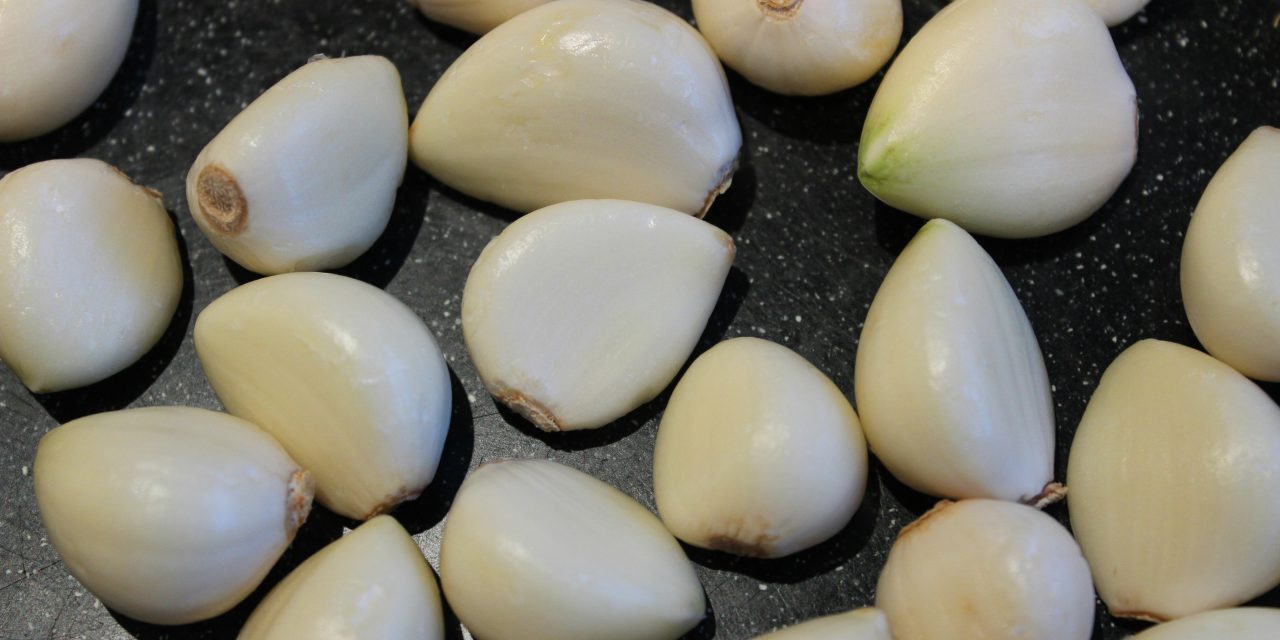
Sautéing garlic is a fundamental technique in culinary arts that enhances the flavor profile of numerous dishes. This method involves cooking garlic quickly in a small amount of fat, typically oil or butter, over relatively high heat. The process allows the essential oils and aromatic compounds within the garlic to be released, imparting a rich, savory essence to the dish. Understanding the nuances of sautéing garlic can elevate your cooking, transforming simple ingredients into gourmet meals.
The key to successful sautéing lies in the balance of heat and timing. Garlic is delicate and can easily transition from perfectly cooked to burnt within seconds. Therefore, mastering this technique requires attention to detail and an understanding of how garlic behaves when exposed to heat. The result is a beautifully caramelized, fragrant addition that can enhance everything from sauces to stir-fries.
When it comes to selecting garlic for sautéing, the choice between fresh and pre-minced varieties can significantly impact the final outcome. Fresh garlic, typically sold in bulbs, offers a robust flavor and aroma that pre-minced options often lack. The freshness of the cloves contributes to a more vibrant taste, making it the preferred choice for culinary enthusiasts and professional chefs alike.
On the other hand, pre-minced garlic provides convenience and saves time in meal preparation. However, it often contains preservatives that can alter its flavor profile and diminish its aromatic qualities. For those who prioritize flavor and authenticity in their dishes, investing time in peeling and mincing fresh garlic is worthwhile. Ultimately, the decision hinges on personal preference and the specific requirements of the dish being prepared.
Selecting the Appropriate Cooking Oil
The choice of cooking oil plays a crucial role in sautéing garlic effectively. Different oils possess varying smoke points, which determine how well they can withstand high temperatures without burning. Common options include olive oil, canola oil, and avocado oil. Olive oil is favored for its rich flavor and health benefits, while canola oil offers a neutral taste that allows garlic’s natural essence to shine through.
When selecting an oil, consider both flavor and smoke point. For instance, extra virgin olive oil has a lower smoke point than refined varieties, making it suitable for lower-temperature sautéing. Conversely, oils with higher smoke points, such as avocado oil or grapeseed oil, are ideal for high-heat cooking methods. Understanding these properties will help you choose the right oil for your sautéing needs.
The preparation method for garlic significantly influences its flavor release during sautéing. Slicing garlic results in a milder taste, as larger pieces take longer to release their essential oils. This method is ideal for dishes where a subtle garlic flavor is desired, such as in roasted vegetables or pasta sauces.
Mincing garlic creates smaller pieces that release more oils quickly, resulting in a stronger flavor profile. This technique is commonly used in stir-fries or marinades where a pronounced garlic presence is desired. Crushing garlic, often done with the flat side of a knife or a garlic press, breaks down cell walls more effectively than slicing or mincing, releasing maximum flavor. Each method has its place in cooking; understanding when to use each technique can enhance your culinary creations.
Controlling the Heat: Ideal Temperature Settings

Controlling heat is paramount when sautéing garlic to achieve optimal results without burning it. The ideal temperature for sautéing garlic typically ranges between 300°F to 350°F (150°C to 175°C). At this range, garlic cooks evenly while allowing its flavors to develop without becoming bitter.
To achieve this temperature, preheat your pan before adding oil. Once the oil shimmers but does not smoke, it indicates that it has reached the right temperature for sautéing. If the heat is too low, garlic may not cook properly; if too high, it risks burning quickly. Mastering heat control will ensure that your sautéed garlic retains its desirable flavor and texture.
Timing is Key: When to Add Garlic During Cooking

Timing plays a critical role in incorporating garlic into your dishes effectively. Adding garlic too early in the cooking process can lead to overcooking and bitterness, while adding it too late may result in insufficient flavor infusion. A general rule of thumb is to add minced or sliced garlic to the pan after other ingredients have begun to cook but before they are fully done.
For instance, when sautéing onions or other aromatics, introduce garlic once they have softened but are not yet browned. This timing allows the garlic to infuse its flavor into the dish without compromising its integrity. Adjusting the timing based on the specific recipe will yield optimal results.
Using a Suitable Pan for Even Heat Distribution
The choice of cookware significantly affects how evenly garlic cooks during sautéing. A heavy-bottomed skillet or sauté pan is ideal for this technique as it distributes heat uniformly across the surface. Non-stick pans can also be effective but may not provide the same level of browning as stainless steel or cast iron options.
When selecting a pan, consider its size relative to the amount of garlic being sautéed. Overcrowding the pan can lead to steaming rather than sautéing, preventing proper caramelization and flavor development. Ensuring adequate space allows for even cooking and enhances the overall quality of your dish.
Stirring Techniques to Prevent Burning
Stirring techniques are essential for preventing burnt garlic while sautéing. Continuous stirring or gently swirling the pan ensures that garlic cooks evenly and does not stick to the bottom or sides of the pan. Using a wooden spoon or silicone spatula allows for gentle movement without damaging non-stick surfaces.
Additionally, incorporating other ingredients into the pan can help regulate heat exposure on the garlic. For example, adding vegetables or proteins alongside garlic can create moisture that prevents burning while allowing flavors to meld together harmoniously. Developing effective stirring techniques will enhance your ability to sauté garlic successfully.
Recognizing the Perfect Golden Color of Sautéed Garlic
The visual cue of perfectly sautéed garlic is its golden-brown color, which indicates that it has reached an optimal level of caramelization without burning. This transformation occurs as natural sugars within the garlic begin to brown, creating a rich flavor profile that enhances any dish.
To achieve this golden hue, monitor your garlic closely as it cooks; it can go from perfectly golden to burnt in mere seconds. Once you observe a light golden color developing, it’s time to remove it from heat or add other ingredients to halt further cooking. Recognizing this visual cue will help you master the art of sautéing garlic.
Common Mistakes to Avoid When Sautéing Garlic
Several common pitfalls can hinder your ability to sauté garlic effectively. One frequent mistake is using too high of a heat setting, leading to burnt garlic that imparts an unpleasant bitterness to dishes. Another error is overcrowding the pan; this prevents proper browning and may result in uneven cooking.
Additionally, neglecting to prepare garlic properly—whether by slicing too thickly or failing to mince—can affect flavor release during cooking. Lastly, adding garlic too early or too late in the cooking process can compromise its integrity and overall impact on the dish. Being aware of these common mistakes will help you refine your sautéing technique.
Tips for Salvaging Garlic That’s Slightly Overcooked
If you find yourself with slightly overcooked garlic that has taken on an undesirable bitterness, there are ways to salvage it within your dish. One effective method is to incorporate additional ingredients that can balance out the bitterness; adding acidity through lemon juice or vinegar can help counteract harsh flavors.
Another option is to blend overcooked garlic into sauces or purees where its texture will be less noticeable but still contribute depth of flavor. If possible, consider straining out burnt pieces from your dish while retaining any remaining good flavors from properly cooked garlic. These strategies can help mitigate mistakes and enhance your culinary creations.
In summary, mastering the art of sautéing garlic involves understanding various factors such as selecting fresh ingredients, controlling heat levels, timing additions correctly, and employing effective stirring techniques. By avoiding common mistakes and recognizing visual cues for doneness, you can elevate your dishes with perfectly sautéed garlic every time you cook. Whether you choose fresh cloves or pre-minced options, knowing how to prepare and incorporate this aromatic ingredient will undoubtedly enhance your culinary repertoire.
FAQs
What is the best oil to use for sautéing garlic?
The best oils for sautéing garlic are those with a high smoke point, such as olive oil, avocado oil, or canola oil. These oils can withstand higher temperatures without burning, which is crucial for preventing garlic from becoming bitter.
How can I tell when garlic is sautéed properly?
Garlic is properly sautéed when it becomes fragrant and turns a light golden color. This usually takes about 30 seconds to 1 minute over medium heat. Be careful not to let it brown too much, as burnt garlic can impart a bitter taste to your dish.
Should I chop or slice garlic for sautéing?
Chopping or slicing garlic both work well for sautéing, but finely chopping garlic will release more of its natural oils and flavor. However, larger pieces may be easier to manage and less likely to burn quickly, so choose based on your recipe and personal preference.
Can I sauté garlic in advance and store it?
Yes, you can sauté garlic in advance and store it. Allow it to cool completely, then store it in an airtight container in the refrigerator for up to a week. For longer storage, you can freeze sautéed garlic in ice cube trays and transfer the cubes to a freezer bag.
What should I do if my garlic starts to burn?
If your garlic starts to burn, immediately remove it from the heat to prevent further cooking. You can try to salvage the dish by adding more oil or other ingredients to dilute the burnt flavor, but if the garlic is too charred, it’s best to start over with fresh garlic.