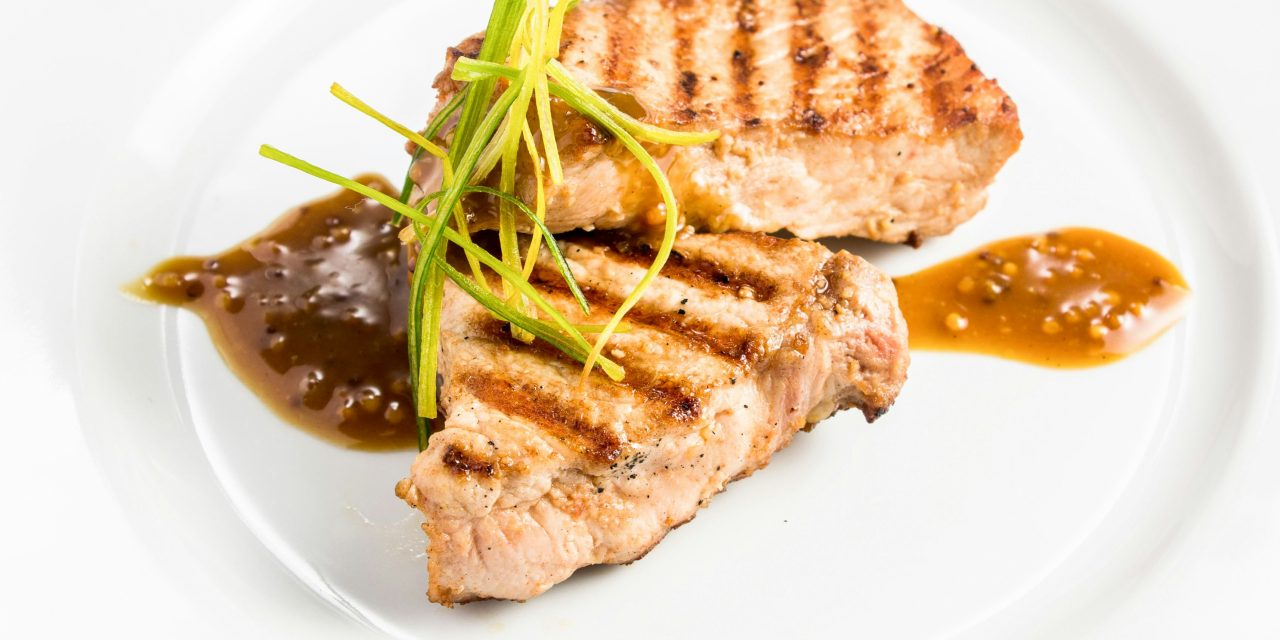
Pan sauces are a culinary technique that transforms the flavorful remnants left in a skillet after cooking meat into a rich, savory sauce. This method is not only efficient but also enhances the overall dining experience by incorporating the essence of the main ingredient. The process typically involves deglazing the pan, which releases the fond—those delicious browned bits stuck to the bottom—resulting in a sauce that is both complex and satisfying.
The beauty of pan sauces lies in their versatility; they can be tailored to complement various proteins, from beef and poultry to seafood. The fundamental components of a pan sauce include fat, liquid, and flavor enhancers such as herbs and spices. By mastering this technique, home cooks can elevate their dishes, creating restaurant-quality meals with minimal effort.
When it comes to crafting a delectable pan sauce, the choice of meat drippings plays a pivotal role in determining the sauce’s flavor profile. Steak drippings, characterized by their robust and intense flavor, provide a rich base for sauces that can stand up to bold accompaniments like red wine or balsamic vinegar. The natural fats and juices released during the cooking process contribute to a luxurious mouthfeel, making steak-based sauces ideal for hearty dishes.
Conversely, chicken drippings offer a lighter, more delicate flavor that pairs beautifully with white wines, citrus juices, or even cream. The subtlety of chicken allows for a broader range of flavor combinations, making it an excellent choice for those who prefer a more nuanced sauce. Understanding the inherent qualities of each type of meat will guide cooks in selecting the appropriate ingredients to enhance their pan sauces.
Preparing Your Pan for Sauce Making
Preparation is key when it comes to making an exceptional pan sauce. After cooking your meat, it is essential to allow it to rest before proceeding with the sauce-making process. This resting period not only ensures that the juices redistribute within the meat but also allows for easier cleanup of the pan. Once rested, remove the meat and set it aside while retaining the drippings in the skillet.
To prepare your pan effectively, consider the type of cookware used. Stainless steel or cast iron pans are ideal for developing fond due to their ability to withstand high heat and promote browning. If there is an excessive amount of fat in the pan, carefully drain some off while leaving enough to create a flavorful base for your sauce. This step is crucial as it prevents the sauce from becoming overly greasy and unpalatable.
Deglazing the Pan: Techniques and Tips

Deglazing is a critical step in the pan sauce-making process that involves adding liquid to the hot skillet to loosen and dissolve the fond. This technique not only enhances flavor but also adds depth to the sauce. Common deglazing liquids include wine, broth, or vinegar, each contributing its unique characteristics to the final product.
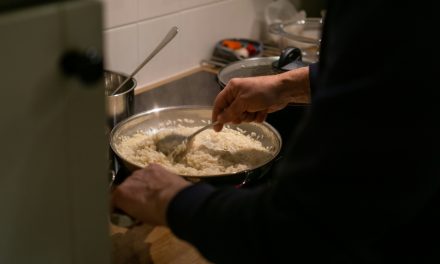
To deglaze effectively, begin by heating your pan over medium-high heat after removing the meat. Pour in your chosen liquid while using a wooden spoon or spatula to scrape up any browned bits from the bottom of the pan. This process should be done promptly while the pan is still hot to ensure optimal flavor extraction. Allow the liquid to simmer and reduce slightly, concentrating its flavors before proceeding with additional ingredients.
Selecting the Perfect Liquid for Your Pan Sauce

The choice of liquid used in a pan sauce significantly influences its overall taste and texture. Wine is a popular option due to its acidity and complexity; red wine pairs well with beef, while white wine complements chicken and fish beautifully. For those seeking non-alcoholic alternatives, low-sodium broth or stock can provide a savory foundation without overpowering other flavors.
In addition to wine and broth, consider incorporating fruit juices or vinegars for added brightness and acidity. Citrus juices like lemon or orange can elevate a sauce’s freshness, while balsamic vinegar adds sweetness and depth. When selecting your liquid, aim for balance; too much acidity can overwhelm the dish, while too little may result in a flat flavor profile.
Incorporating Aromatics and Herbs
Aromatics and herbs are essential components that enhance the complexity of pan sauces. Common aromatics include shallots, garlic, and onions, which can be sautéed in the residual fat before adding liquid. These ingredients release their natural oils and flavors, creating a fragrant base for your sauce.
Herbs such as thyme, rosemary, or parsley can be added during cooking or as a finishing touch. Fresh herbs impart brightness and freshness, while dried herbs offer concentrated flavors. When incorporating these elements, consider their compatibility with your chosen protein and liquid; this will ensure a harmonious blend of flavors that elevates your dish.
Thickening Your Pan Sauce: Methods and Ingredients
Thickening agents are crucial for achieving the desired consistency in your pan sauce. There are several methods available, each offering unique textures and flavors. One common technique is reduction; by simmering the sauce over low heat, excess liquid evaporates, resulting in a thicker consistency without additional ingredients.
Alternatively, you can use starch-based thickeners such as cornstarch or flour. To do this, create a slurry by mixing equal parts starch with cold water before adding it to your sauce. This method allows for precise control over thickness without altering flavor significantly. Additionally, incorporating cream or butter at the end of cooking can enrich your sauce while providing a velvety texture.
Balancing Flavors: Salt, Acid, and Sweetness
Achieving balance in your pan sauce is essential for creating a well-rounded dish. The interplay between saltiness, acidity, and sweetness can elevate flavors and enhance overall enjoyment. Start by seasoning your sauce with salt; this will help bring out the natural flavors of your ingredients.
Acidity plays a vital role in brightening flavors and cutting through richness. Incorporate acidic elements such as vinegar or citrus juice gradually, tasting as you go to avoid overpowering your sauce. Sweetness can also be introduced through ingredients like honey or maple syrup; these elements can counterbalance acidity and enhance depth.
Straining and Finishing Touches
Once your pan sauce has reached the desired consistency and flavor balance, straining may be necessary to achieve a smooth texture. Using a fine-mesh sieve or strainer, pour the sauce through to remove any solids such as herbs or aromatics that may detract from its silky finish. This step is particularly important if you have used larger pieces of garlic or shallots that could disrupt the mouthfeel.
After straining, consider adding finishing touches such as fresh herbs or a pat of butter for richness. These final additions can elevate your sauce’s presentation and flavor profile, ensuring it complements your dish beautifully.
Serving Suggestions for Pan Sauces
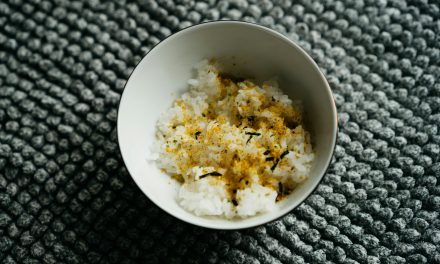
Pan sauces are incredibly versatile and can be served with various proteins and sides. For steak-based sauces, consider pairing them with roasted vegetables or creamy mashed potatoes to soak up every drop of flavor. Chicken sauces often shine when served alongside grains like quinoa or rice that absorb their essence.
Additionally, pan sauces can be drizzled over grilled vegetables or used as a dipping sauce for crusty bread. Their adaptability makes them an excellent choice for enhancing any meal while providing an opportunity for creativity in presentation.
Troubleshooting Common Pan Sauce Problems
Even experienced cooks may encounter challenges when making pan sauces. One common issue is an overly salty sauce; if this occurs, consider adding a splash of water or broth to dilute it slightly without compromising flavor integrity. Alternatively, incorporating sweet elements like sugar or honey can help balance excessive saltiness.
Another frequent problem is achieving an undesirable texture; if your sauce is too thin, continue reducing it over low heat until it thickens adequately. Conversely, if it becomes too thick, whisk in additional liquid gradually until reaching your desired consistency.
In conclusion, mastering pan sauces opens up a world of culinary possibilities that can elevate any meal from ordinary to extraordinary. By understanding the fundamentals—from selecting appropriate drippings to balancing flavors—home cooks can create rich and flavorful sauces that enhance their dishes significantly. With practice and experimentation, anyone can become proficient in this essential cooking technique.
In summary, pan sauces are an invaluable skill in culinary arts that transform simple drippings into complex flavors through deglazing techniques and careful ingredient selection. By understanding how to balance flavors and troubleshoot common issues, cooks can create delicious sauces that enhance their meals significantly.
FAQs
What is a pan sauce?
A pan sauce is a flavorful sauce made by deglazing the browned bits left in the pan after cooking meat, such as steak or chicken. It typically involves adding liquid, such as broth or wine, to the pan to dissolve these bits, followed by additional ingredients like herbs, butter, or cream to enhance the flavor and texture.
How do you deglaze a pan?
To deglaze a pan, you first remove the cooked meat and any excess fat, leaving the browned bits behind. Then, add a liquid such as wine, broth, or vinegar to the hot pan. Use a wooden spoon to scrape the bottom of the pan, loosening the browned bits and incorporating them into the liquid. This process creates a rich base for your sauce.
Can you make a pan sauce without wine?
Yes, you can make a pan sauce without wine. Instead of wine, you can use broth, stock, or even water to deglaze the pan. For added flavor, consider using apple cider vinegar, lemon juice, or a splash of soy sauce, depending on the flavor profile you desire.
What are some common ingredients to add to a pan sauce?
Common ingredients to enhance a pan sauce include shallots or onions, garlic, herbs (like thyme or rosemary), mustard, cream, or butter. These ingredients can be added after deglazing to build complexity and richness in the sauce.
How long does it take to make a pan sauce?
Making a pan sauce typically takes about 5 to 10 minutes. After deglazing the pan, you will want to let the liquid reduce for a few minutes until it thickens slightly, and then you can add any additional ingredients to finish the sauce.