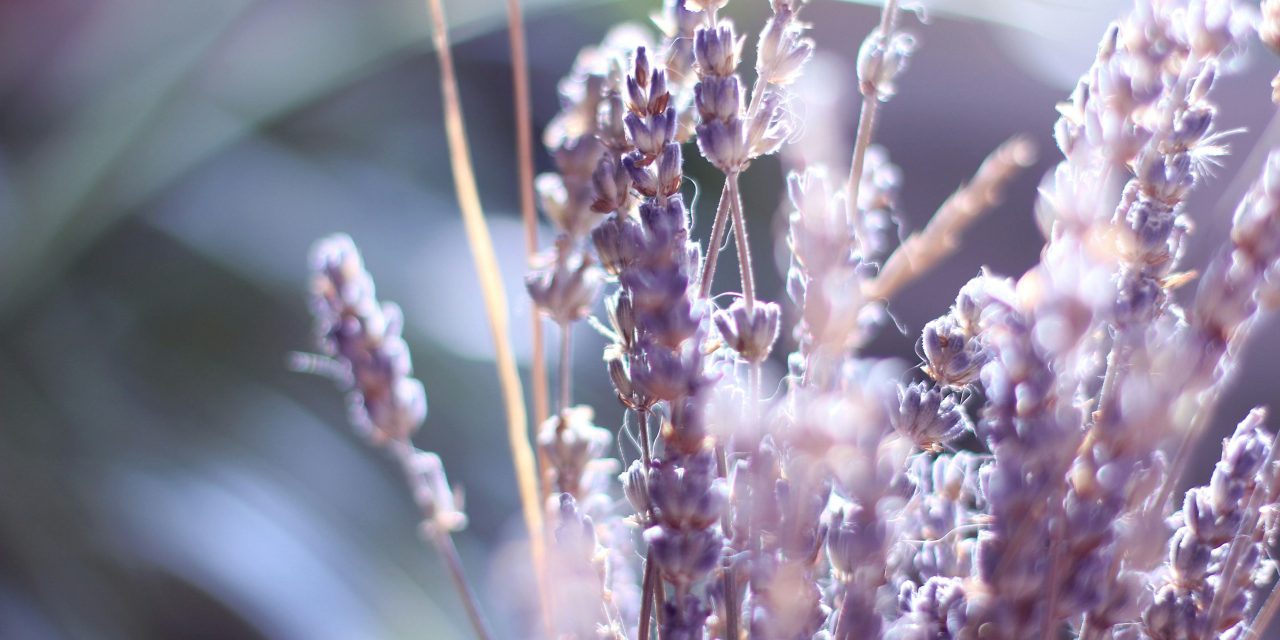
Lavender, a beloved perennial known for its aromatic properties and vibrant purple blooms, can sometimes exhibit browning leaves, which is a distressing sight for gardeners. This discoloration can stem from various factors, each impacting the plant’s overall health and vitality. Understanding these causes is crucial for effective management and restoration of lavender plants.
The browning of lavender leaves often signals underlying issues that may be environmental, biological, or cultural in nature. Identifying the root cause is essential for implementing appropriate corrective measures. Common culprits include insufficient sunlight, overwatering, poor soil drainage, nutrient deficiencies, pest infestations, and fungal diseases. Each of these factors can lead to stress in the plant, resulting in browning foliage and diminished growth.
Insufficient Sunlight: The Impact of Shade on Lavender Health
Lavender thrives in full sunlight, requiring at least six to eight hours of direct sunlight daily to flourish. When deprived of adequate light, lavender plants may exhibit signs of stress, including browning leaves. Insufficient sunlight can lead to weak stems and reduced flowering, ultimately compromising the plant’s aesthetic appeal and aromatic qualities.
To mitigate the effects of shade, gardeners should assess the planting location and consider relocating lavender to a sunnier spot if necessary. Additionally, trimming back surrounding vegetation that casts shade can enhance light exposure. Ensuring that lavender receives optimal sunlight not only promotes healthy foliage but also encourages robust blooming, enhancing the overall beauty of the garden.
Overwatering: How Excess Moisture Leads to Brown Leaves

Overwatering is one of the most common mistakes made by gardeners when caring for lavender. This plant is native to arid regions and has adapted to thrive in well-drained soils with minimal moisture. Excessive watering can lead to root rot, a condition where roots become waterlogged and begin to decay, resulting in browning leaves and stunted growth.
To prevent overwatering, it is essential to establish a proper watering schedule based on environmental conditions. A general rule of thumb is to allow the top inch of soil to dry out before watering again. Implementing a drip irrigation system or using soaker hoses can also help regulate moisture levels while ensuring that lavender receives adequate hydration without becoming waterlogged.
Poor Soil Drainage and Its Effects on Lavender Roots

Soil drainage plays a pivotal role in the health of lavender plants. Poorly draining soils can trap excess moisture around the roots, leading to anaerobic conditions that promote root rot and other fungal diseases. When lavender roots are deprived of oxygen, they become stressed, resulting in browning leaves and overall decline.
To improve soil drainage, gardeners should consider amending heavy soils with organic matter such as compost or sand to enhance aeration. Additionally, planting lavender in raised beds or mounds can facilitate better drainage and prevent water accumulation around the roots. Ensuring that lavender is planted in well-draining soil is crucial for maintaining its health and preventing browning.
Nutrient Deficiencies: Identifying and Correcting Imbalances
Nutrient deficiencies can significantly impact the health of lavender plants, leading to browning leaves and poor growth. Essential nutrients such as nitrogen, phosphorus, potassium, and magnesium play vital roles in plant development. A lack of these nutrients can result in chlorosis (yellowing) followed by browning as the plant struggles to photosynthesize effectively.
To identify nutrient deficiencies, gardeners should conduct a soil test to determine pH levels and nutrient content. Based on the results, appropriate fertilizers can be applied to correct imbalances. For instance, a balanced fertilizer with equal parts nitrogen, phosphorus, and potassium can promote overall health. Additionally, incorporating slow-release fertilizers or organic amendments like bone meal or kelp meal can provide essential nutrients over time.
Pest Infestations That Cause Lavender to Turn Brown
Pest infestations pose a significant threat to lavender health and can lead to browning leaves if not addressed promptly. Common pests that affect lavender include aphids, spider mites, and whiteflies. These insects feed on plant sap, weakening the plant and causing stress that manifests as browning foliage.
To manage pest infestations effectively, regular monitoring is essential. Early detection allows for timely intervention using insecticidal soaps or neem oil sprays that target pests without harming beneficial insects. Additionally, introducing natural predators such as ladybugs can help control pest populations organically. Maintaining healthy plants through proper care practices also enhances their resilience against pest attacks.
Fungal Diseases Affecting Lavender and How to Treat Them
Fungal diseases are another significant factor contributing to browning in lavender plants. Conditions such as root rot and powdery mildew thrive in overly moist environments and can severely impact plant health. Root rot leads to brown, mushy roots that inhibit nutrient uptake, while powdery mildew manifests as white fungal growth on leaves that eventually turns brown.
To combat fungal diseases, it is crucial to improve air circulation around plants by spacing them adequately and avoiding overhead watering. Infected plants should be treated with fungicides specifically formulated for lavender or organic alternatives like baking soda solutions for powdery mildew. Additionally, removing affected foliage can help prevent the spread of disease.
The Role of Pruning in Preventing Browning
Pruning plays a vital role in maintaining the health of lavender plants and preventing browning leaves. Regular pruning encourages new growth by removing dead or diseased branches and promoting air circulation within the plant canopy. This practice not only enhances aesthetics but also reduces the risk of fungal infections.
The best time to prune lavender is in early spring before new growth begins or immediately after flowering has finished. When pruning, it is essential to cut back approximately one-third of the plant’s height while avoiding cutting into old wood, which may not produce new growth. Proper pruning techniques ensure that lavender remains vigorous and less susceptible to browning.
Seasonal Changes and Natural Browning: What’s Normal?
Seasonal changes can also influence the appearance of lavender plants, leading to natural browning that may not necessarily indicate a problem. As temperatures drop in autumn or winter, some varieties may experience leaf drop or browning as part of their natural dormancy cycle.
Understanding these seasonal patterns is crucial for gardeners to differentiate between normal physiological changes and signs of distress. During dormancy, it is essential to reduce watering and refrain from fertilizing until new growth emerges in spring. Recognizing what is normal helps prevent unnecessary interventions that could further stress the plant.
Best Practices for Watering and Soil Maintenance
Implementing best practices for watering and soil maintenance is fundamental for preventing browning in lavender plants. A well-structured watering regimen involves allowing the soil to dry out between waterings while ensuring deep hydration during each session. Utilizing mulch around the base of plants can help retain moisture while preventing weed competition.
Soil maintenance should focus on ensuring proper drainage through amendments such as perlite or coarse sand mixed into the planting medium. Regularly checking soil moisture levels with a moisture meter can provide valuable insights into when watering is necessary. By adhering to these practices, gardeners can create an optimal environment for lavender growth.
Step-by-Step Guide to Reviving Brown Lavender Plants
Reviving brown lavender plants requires a systematic approach that addresses underlying issues contributing to discoloration. Here’s a step-by-step guide:
1. **Assess Environmental Conditions**: Evaluate sunlight exposure, moisture levels, and soil drainage.
2. **Check for Pests**: Inspect leaves and stems for signs of pest infestations; treat accordingly.
3. **Examine Soil Quality**: Conduct a soil test to identify nutrient deficiencies or pH imbalances.
4. **Prune Affected Areas**: Trim away brown or dead foliage to encourage new growth.
5. **Adjust Watering Practices**: Modify watering frequency based on soil moisture levels.
6. **Improve Soil Drainage**: Amend heavy soils with organic matter or consider relocating plants.
7. **Apply Fertilizers**: Use balanced fertilizers based on soil test results to correct nutrient deficiencies.
8. **Monitor Progress**: Regularly check for signs of recovery over several weeks.
By following these steps diligently, gardeners can restore their lavender plants’ health and vitality while preventing future occurrences of browning.
In summary, understanding the causes of browning in lavender is essential for effective management and restoration efforts. Factors such as insufficient sunlight, overwatering, poor soil drainage, nutrient deficiencies, pest infestations, fungal diseases, seasonal changes, and proper pruning all play critical roles in maintaining healthy lavender plants. By implementing best practices for watering and soil maintenance while following a systematic approach to reviving affected plants, gardeners can ensure their lavender thrives beautifully throughout the growing season.
FAQs
What causes lavender to turn brown?
Lavender can turn brown due to several factors, including overwatering, underwatering, poor soil drainage, pest infestations, or diseases such as root rot. Environmental stressors like extreme temperatures or insufficient sunlight can also contribute to browning leaves.
How can I tell if my lavender is overwatered?
Signs of overwatering in lavender include yellowing leaves that may eventually turn brown, wilting despite wet soil, and a foul smell from the soil, indicating root rot. The soil should dry out between waterings to prevent these issues.
Is it normal for lavender to turn brown in winter?
Yes, it is normal for some lavender varieties to turn brown or die back in winter as they enter dormancy. However, if the browning is excessive or affects the entire plant, it may indicate a problem that needs addressing.
Can pests cause my lavender to turn brown?
Yes, pests such as aphids, spider mites, and whiteflies can damage lavender plants, leading to browning leaves. These pests suck the sap from the plant, weakening it and causing discoloration. Regular inspection and treatment can help manage pest issues.
What should I do if my lavender is turning brown?
If your lavender is turning brown, first assess its watering needs and ensure it is not sitting in waterlogged soil. Check for pests and diseases, and prune any dead or damaged parts of the plant. Adjusting its environment, such as providing more sunlight or protection from extreme weather, can also help restore its health.