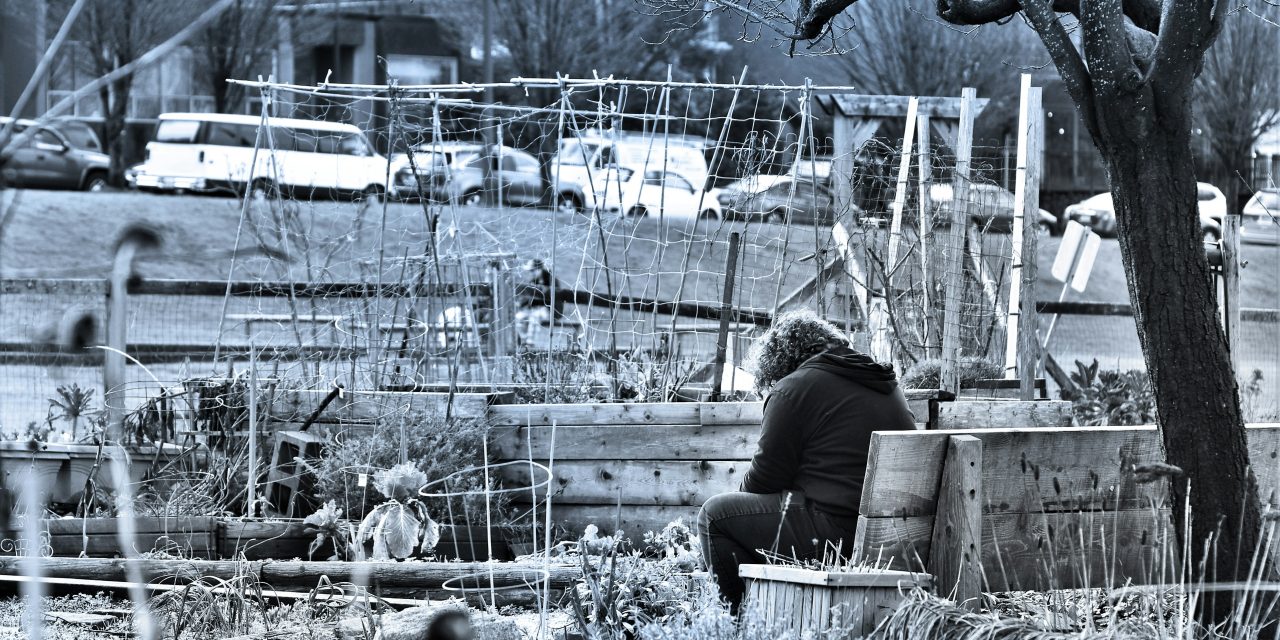
Square foot gardening is an innovative and efficient method of growing vegetables, herbs, and flowers in a compact space. This technique, popularized by Mel Bartholomew in the 1980s, emphasizes maximizing yield while minimizing the area required for cultivation. The fundamental principle revolves around dividing a garden bed into square foot sections, allowing gardeners to plant a variety of crops in a systematic manner. This approach not only optimizes space but also enhances accessibility, making it ideal for urban dwellers or those with limited gardening experience.
The beauty of square foot gardening lies in its simplicity and effectiveness. By utilizing raised beds, gardeners can create a controlled environment that promotes healthy plant growth. Each square foot can accommodate different plants based on their size and growth habits, allowing for a diverse array of produce. This method encourages crop rotation and companion planting, which can lead to healthier plants and improved yields. Furthermore, square foot gardening reduces the need for extensive weeding and maintenance, making it an attractive option for busy individuals seeking to cultivate their own food.
Choosing the Right Location for Your Garden
Selecting an appropriate location for your square foot garden is crucial for ensuring optimal growth and productivity. Ideally, the chosen site should receive at least six to eight hours of direct sunlight daily, as most vegetables thrive in bright conditions. Observing the sun’s path throughout the day can help identify the best spots in your yard or balcony. Additionally, consider the proximity to water sources, as easy access will facilitate regular irrigation.
Another important factor to consider is soil drainage. Avoid areas where water tends to pool after heavy rainfall, as this can lead to root rot and other moisture-related issues. Instead, opt for elevated spots or areas with well-draining soil. Wind exposure is another consideration; if your garden is located in a windy area, installing windbreaks such as fences or hedges can protect delicate seedlings from damage. Lastly, ensure that your garden is easily accessible for maintenance tasks such as watering, weeding, and harvesting.
Selecting the Ideal Garden Bed Size

The dimensions of your garden bed play a significant role in the success of your square foot gardening endeavor. A standard size for a square foot garden bed is 4 feet by 4 feet, which allows for easy reach from all sides without stepping into the soil. This size accommodates 16 square feet of planting space, providing ample room for a variety of crops while maintaining accessibility. However, depending on available space and personal preference, you can adjust the dimensions to suit your needs.
When constructing your garden bed, consider using materials such as untreated wood, bricks, or composite materials that are safe for growing food. The height of the bed is also important; a depth of 6 to 12 inches is generally sufficient for most vegetables. Raised beds not only improve drainage but also allow for better soil quality control. Additionally, incorporating pathways between beds can enhance accessibility and prevent soil compaction.
Preparing the Soil for Optimal Growth

Soil preparation is a critical step in establishing a thriving square foot garden. The foundation of healthy plants lies in nutrient-rich soil that provides essential elements for growth. Begin by removing any weeds, rocks, or debris from the designated area. Once cleared, loosen the soil using a garden fork or tiller to improve aeration and drainage.
Next, enrich the soil with organic matter such as compost or well-rotted manure. This addition enhances soil structure and provides vital nutrients that promote healthy plant development. A balanced mix of peat moss, vermiculite, and compost can create an ideal growing medium that retains moisture while allowing excess water to drain away. Testing the soil pH can also be beneficial; most vegetables prefer a slightly acidic to neutral pH range of 6.0 to 7.0. If necessary, amendments such as lime or sulfur can be added to adjust pH levels accordingly.
Planning Your Vegetable Layout
Strategic planning of your vegetable layout is essential for maximizing space and ensuring healthy growth. Each square foot section can accommodate different crops based on their size and growth habits. For instance, larger plants like tomatoes or peppers may require one square foot each, while smaller crops such as radishes or lettuce can be planted more densely—up to 16 plants per square foot.
Consider companion planting principles when designing your layout; certain plants can benefit each other when grown together. For example, planting basil alongside tomatoes can enhance flavor and deter pests. Additionally, staggered planting schedules can help ensure continuous harvests throughout the growing season. Keeping a planting calendar can assist in tracking sowing dates and expected harvest times.
Choosing the Best Vegetables for Your Climate
Selecting vegetables suited to your local climate is paramount for successful gardening. Different regions experience varying temperatures, humidity levels, and growing seasons that influence plant selection. Researching your hardiness zone can provide valuable insights into which crops are most likely to thrive in your area.
Cool-season crops such as lettuce, spinach, and peas flourish in spring and fall when temperatures are mild. Conversely, warm-season crops like tomatoes, peppers, and cucumbers prefer warmer conditions during summer months. Additionally, consider factors such as disease resistance and growth duration when selecting varieties; some may be better suited for shorter growing seasons than others.
Gathering Essential Gardening Tools and Supplies
Equipping yourself with the right tools and supplies is vital for maintaining an efficient square foot garden. Basic tools include a trowel for digging holes, a hand rake for leveling soil, and pruning shears for harvesting and trimming plants. A watering can or hose with a spray nozzle will facilitate proper irrigation without over-saturating the soil.
In addition to tools, consider investing in quality seeds or seedlings from reputable sources to ensure healthy plant growth. Mulch is another essential supply; it helps retain moisture in the soil while suppressing weeds. Organic fertilizers can also be beneficial for providing additional nutrients throughout the growing season.
Planting Your Seeds and Seedlings
Once your garden bed is prepared and your layout planned, it’s time to plant seeds and seedlings. Begin by marking out each square foot section according to your layout plan using string or stakes. Follow seed packet instructions regarding planting depth and spacing; this information is crucial for ensuring optimal germination rates.
For seedlings, gently remove them from their containers while being careful not to damage their roots. Plant them at the same depth they were growing in their original containers to avoid transplant shock. Water thoroughly after planting to help settle the soil around the roots and promote establishment.
Watering and Maintaining Your Garden
Proper watering practices are essential for maintaining healthy plants in your square foot garden. Aim to provide consistent moisture without overwatering; this can lead to root rot and other issues. A general rule of thumb is to water deeply once or twice a week rather than shallowly every day.
Mulching around plants can help retain moisture while reducing weed growth; organic materials such as straw or shredded leaves work well for this purpose. Regularly check for signs of pests or diseases; early detection allows for prompt intervention before problems escalate. Pruning dead or diseased foliage can also promote better air circulation and overall plant health.
Managing Pests and Diseases Naturally
Natural pest management strategies are crucial for maintaining a healthy garden ecosystem without relying on harmful chemicals. Introduce beneficial insects such as ladybugs or lacewings that prey on common pests like aphids and spider mites. Companion planting can also deter pests; for example, marigolds are known to repel nematodes and other harmful insects.
Regular monitoring of plants for signs of disease or pest infestations is essential; early intervention can prevent widespread damage. Homemade remedies such as neem oil or insecticidal soap can effectively manage minor infestations without harming beneficial organisms in the garden.
Harvesting and Enjoying Your Homegrown Vegetables
The culmination of your hard work comes with harvesting your homegrown vegetables. Timing is key; each crop has its optimal harvest window based on size and maturity level. For instance, leafy greens should be harvested regularly to encourage continued growth, while root vegetables like carrots should be pulled when they reach desired size.
Once harvested, enjoy the fruits of your labor by incorporating fresh produce into meals or sharing with friends and family. Preserving excess harvest through methods such as freezing or canning allows you to savor your homegrown bounty long after the growing season ends.
In summary, square foot gardening offers an efficient way to grow a variety of vegetables in limited spaces while promoting sustainable practices. By understanding the fundamentals—from site selection to pest management—gardeners can cultivate thriving gardens that yield delicious produce year-round. With careful planning and attention to detail, anyone can enjoy the satisfaction of growing their own food at home.
FAQs
What is a square foot vegetable garden?
A square foot vegetable garden is a gardening method that divides a growing area into square foot sections, allowing for efficient planting and organization. This technique maximizes space and minimizes waste by allowing gardeners to grow a variety of plants in a compact area, typically in raised beds.
How do I start a square foot vegetable garden?
To start a square foot vegetable garden, first choose a suitable location with adequate sunlight and access to water. Next, build or purchase a raised bed, ideally 4 feet by 4 feet in size. Fill it with a mix of soil and compost, then create a grid using string or wooden slats to divide the bed into square foot sections. Finally, select your vegetables and plant them according to the recommended spacing for each type.
What vegetables are best suited for square foot gardening?
Many vegetables are well-suited for square foot gardening, including lettuce, radishes, carrots, spinach, and bush beans. Additionally, herbs like basil and cilantro, as well as compact varieties of tomatoes and peppers, can thrive in this method. It’s important to choose plants that have similar sunlight and water requirements for optimal growth.
How often should I water my square foot vegetable garden?
Watering frequency for a square foot vegetable garden depends on factors such as climate, soil type, and plant needs. Generally, it’s recommended to water deeply once or twice a week, ensuring the soil remains consistently moist but not waterlogged. During hot or dry spells, you may need to increase the frequency of watering.
Can I use organic methods in my square foot vegetable garden?
Yes, square foot gardening is compatible with organic gardening methods. You can use organic soil amendments, such as compost and natural fertilizers, and implement pest control strategies that avoid synthetic chemicals. This approach promotes a healthy ecosystem and sustainable gardening practices while growing your vegetables.