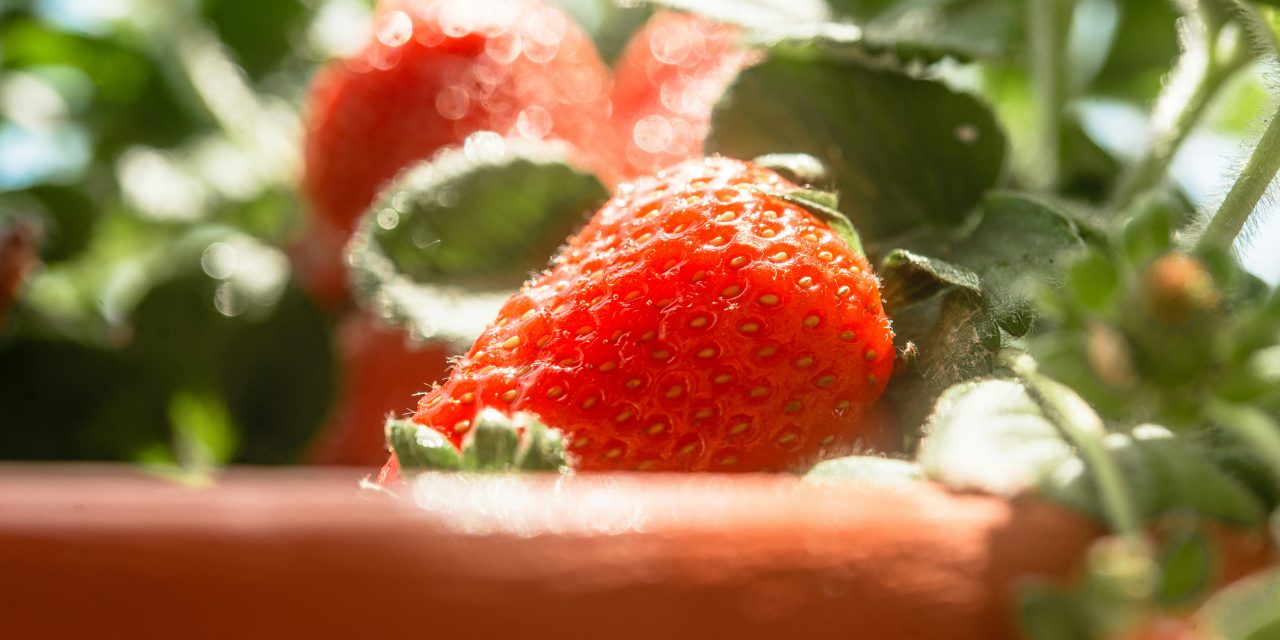
Selecting an appropriate container is crucial for the successful cultivation of strawberry plants. The ideal container should be at least 12 inches deep and wide, allowing ample space for root development. Containers made from materials such as terracotta, plastic, or wood are popular choices, each offering unique benefits. Terracotta pots provide excellent aeration and drainage, while plastic containers are lightweight and retain moisture effectively. Wooden planters can add aesthetic appeal but should be lined to prevent soil loss.
Drainage is a critical factor when choosing a container. Ensure that your selected pot has multiple drainage holes at the bottom to prevent waterlogging, which can lead to root rot. Additionally, consider the weight of the container when filled with soil and plants, especially if you plan to move it around. A sturdy base will help maintain stability and prevent tipping over in windy conditions.
Selecting the Best Strawberry Varieties for Containers
When it comes to growing strawberries in containers, selecting the right variety is essential for maximizing yield and flavor. June-bearing strawberries, such as ‘Earliglow’ and ‘Honeoye,’ produce a single large harvest in late spring to early summer. These varieties are ideal for gardeners looking for a bountiful crop in a short period. On the other hand, everbearing varieties like ‘Quinault’ and ‘Ozark Beauty’ yield fruit throughout the growing season, providing a continuous supply of strawberries from spring until fall.
Another option is day-neutral strawberries, such as ‘Albion’ and ‘Seascape,’ which produce fruit regardless of day length. These varieties are particularly well-suited for container gardening as they thrive in various conditions and can adapt to fluctuating temperatures. When selecting strawberry varieties, consider your climate zone, as some types may perform better in specific regions.
Preparing the Soil Mix for Optimal Growth

Creating an optimal soil mix is vital for the health and productivity of strawberry plants. A well-draining potting mix is essential to prevent water retention that can lead to root diseases. A recommended blend consists of equal parts peat moss, perlite, and compost. Peat moss provides moisture retention while allowing air circulation, perlite enhances drainage, and compost enriches the soil with essential nutrients.
Incorporating organic matter into your soil mix can significantly improve its structure and fertility. Adding well-rotted manure or worm castings can provide a slow-release source of nutrients that will benefit your strawberry plants throughout their growth cycle. Additionally, consider adjusting the pH level of your soil mix to fall between 5.5 and 6.5, which is optimal for strawberry cultivation.
Planting Strawberry Seedlings Correctly

Proper planting techniques are crucial for ensuring healthy strawberry plants. Begin by filling your container with the prepared soil mix, leaving about an inch of space at the top to prevent overflow during watering. When planting seedlings, ensure that the crown—the point where the roots meet the stem—is level with the soil surface. Planting too deep can suffocate the crown, while planting too shallow can expose roots to air.
Space your seedlings adequately to promote airflow and reduce competition for nutrients. A spacing of 12 to 18 inches between plants is recommended for optimal growth. After planting, gently water the seedlings to settle the soil around the roots and eliminate air pockets. This initial watering is crucial for establishing a strong foundation for your strawberry plants.
Positioning Your Containers for Maximum Sunlight
Strawberries thrive in full sunlight, requiring at least six to eight hours of direct sunlight daily for optimal fruit production. When positioning your containers, choose a location that receives ample sunlight throughout the day. South-facing patios or balconies are ideal spots for maximizing exposure to sunlight.
If you live in a region with intense heat, consider providing some afternoon shade to protect your plants from scorching temperatures. Using shade cloth or strategically placing taller plants nearby can help mitigate heat stress while still allowing sufficient light penetration. Regularly monitor your plants’ growth and adjust their positioning as necessary to ensure they receive adequate sunlight.
Watering Techniques to Keep Strawberries Healthy
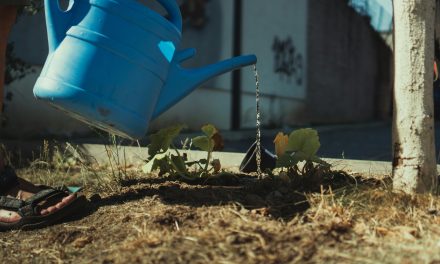
Effective watering techniques are essential for maintaining healthy strawberry plants in containers. Strawberries require consistent moisture but are susceptible to root rot if overwatered. A general rule of thumb is to water when the top inch of soil feels dry to the touch. Use a moisture meter for more precise readings if needed.
When watering, aim to saturate the soil thoroughly without allowing water to pool at the bottom of the container. Drip irrigation systems or self-watering pots can be beneficial for maintaining consistent moisture levels while reducing the risk of overwatering. Additionally, mulching around the base of your plants can help retain moisture and regulate soil temperature.
Fertilizing Your Strawberry Plants Properly
Fertilization plays a vital role in promoting healthy growth and fruit production in strawberry plants. Begin fertilizing approximately four weeks after planting using a balanced fertilizer with an N-P-K ratio of 10-10-10 or similar formulation. This balanced approach ensures that your plants receive adequate nitrogen for foliage growth, phosphorus for root development, and potassium for fruit production.
As strawberries are heavy feeders during their growing season, consider applying a liquid fertilizer every four to six weeks throughout the growing period. Organic options such as fish emulsion or seaweed extract can provide essential nutrients while promoting beneficial microbial activity in the soil. Always follow package instructions regarding application rates to avoid over-fertilization.
Managing Pests and Diseases Naturally
Maintaining healthy strawberry plants involves proactive pest and disease management strategies. Common pests include aphids, spider mites, and slugs, which can damage foliage and fruit if left unchecked. Implementing natural pest control methods such as introducing beneficial insects like ladybugs or using insecticidal soap can effectively manage infestations without harming beneficial organisms.
Diseases such as powdery mildew and gray mold can also pose threats to strawberry plants. To minimize disease risk, ensure proper air circulation around your plants by avoiding overcrowding and pruning dead or diseased foliage promptly. Additionally, practicing crop rotation and using disease-resistant varieties can further reduce susceptibility to common diseases.
Pruning and Maintaining Your Strawberry Plants
Regular pruning is essential for maintaining healthy strawberry plants and maximizing fruit production. Remove any dead or yellowing leaves throughout the growing season to promote airflow and reduce disease risk. After harvesting, trim back any spent flowers and foliage to encourage new growth and prepare your plants for the next season.
In addition to pruning, maintaining proper spacing between plants is crucial for preventing overcrowding and ensuring adequate light penetration. Regularly check for runners—long stems that produce new plants—and decide whether to allow them to root or remove them based on your gardening goals.
Harvesting Strawberries at the Perfect Time
Timing is critical when it comes to harvesting strawberries for optimal flavor and sweetness. Strawberries should be harvested when they are fully colored—typically bright red—and slightly firm to the touch. Avoid picking berries that are still green or overly soft, as these may not have developed their full flavor potential.
To harvest strawberries, gently twist or cut the stem above the berry rather than pulling on the fruit itself, which can damage both the berry and the plant. Harvesting in the morning when temperatures are cooler can help preserve freshness and flavor before storage.
Tips for Overwintering Strawberries in Containers
Overwintering strawberries in containers requires careful planning to protect them from harsh winter conditions. Begin by moving containers to a sheltered location, such as a garage or shed, where temperatures remain above freezing but cool enough to allow dormancy. If moving containers is not feasible, consider insulating them with burlap or bubble wrap to protect roots from extreme cold.
Mulching around the base of your plants with straw or shredded leaves can provide additional insulation against freezing temperatures while retaining moisture during winter months. Monitor soil moisture levels throughout winter; even dormant plants require some hydration to survive until spring.
In summary, cultivating strawberries in containers involves careful consideration of various factors including container selection, variety choice, soil preparation, planting techniques, sunlight exposure, watering practices, fertilization methods, pest management strategies, pruning techniques, harvesting timing, and winter care strategies. By following these guidelines diligently, you can enjoy a bountiful harvest of delicious strawberries right from your own patio or balcony garden.
### FAQ Section
1. **What size container is best for strawberries?**
– A container should be at least 12 inches deep and wide to accommodate root growth effectively.
2. **Can I grow strawberries indoors?**
– Yes! As long as they receive adequate sunlight (6-8 hours daily) or supplemental grow lights.
3. **How often should I water my container strawberries?**
– Water when the top inch of soil feels dry; typically every 2-3 days during hot weather.
4. **What is the best fertilizer for strawberries?**
– A balanced fertilizer with an N-P-K ratio of 10-10-10 is recommended; organic options like fish emulsion are also effective.
5. **How do I know when strawberries are ripe?**
– Harvest when berries are fully red and slightly firm; avoid green or overly soft fruits.
6. **What pests should I watch out for?**
– Common pests include aphids, spider mites, and slugs; monitor regularly for signs of infestation.
7. **How do I prevent diseases in my strawberry plants?**
– Ensure good air circulation by spacing plants properly; prune dead foliage and use disease-resistant varieties.
8. **Can I grow strawberries from seeds?**
– Yes, but it’s more common to grow them from seedlings or bare-root plants for quicker results.
9. **What should I do with my strawberry plants after harvesting?**
– Prune spent flowers and foliage; fertilize lightly to encourage new growth for next season.
10. **How do I protect my strawberries during winter?**
– Move containers to a sheltered location or insulate them; mulch around plants helps retain moisture and warmth.
By adhering to these comprehensive guidelines on growing strawberries in containers, you will be well-equipped to cultivate a thriving strawberry garden that yields delicious fruits throughout the growing season while enjoying the beauty of these vibrant plants in your outdoor space.
FAQs
What type of container is best for growing strawberries?
The best containers for growing strawberries are those that are at least 12 inches deep and have good drainage holes. Options include plastic pots, wooden boxes, or hanging baskets. Ensure the container is large enough to accommodate the root system of the strawberry plants.
How often should I water strawberries in containers?
Strawberries in containers typically require watering every 1-2 days, especially during hot weather. The soil should be kept consistently moist but not soggy. It’s important to check the moisture level regularly, as container plants can dry out faster than those in the ground.
What type of soil should I use for container strawberries?
A high-quality potting mix that is well-draining is ideal for growing strawberries in containers. You can also mix in some compost to provide additional nutrients. Avoid using garden soil, as it can compact in containers and hinder drainage.
When is the best time to plant strawberries in containers?
The best time to plant strawberries in containers is in the spring after the last frost date. This allows the plants to establish themselves and take advantage of the growing season. In some regions, you can also plant strawberries in the fall for an early harvest the following spring.
How can I protect my container strawberries from pests?
To protect container strawberries from pests, consider using row covers or netting to deter birds and insects. Regularly inspect the plants for signs of pests and treat them with organic insecticides if necessary. Keeping the area around the containers clean can also help minimize pest problems.