Zucchini, a popular summer squash, is cherished for its versatility in culinary applications and its ease of cultivation. However, one of the most frustrating challenges faced by gardeners is the phenomenon known as zucchini flower drop. This condition occurs when the blossoms of the zucchini plant fall prematurely, leading to reduced fruit yield and disappointing harvests. Understanding the underlying causes of flower drop is essential for gardeners aiming to maximize their zucchini production.
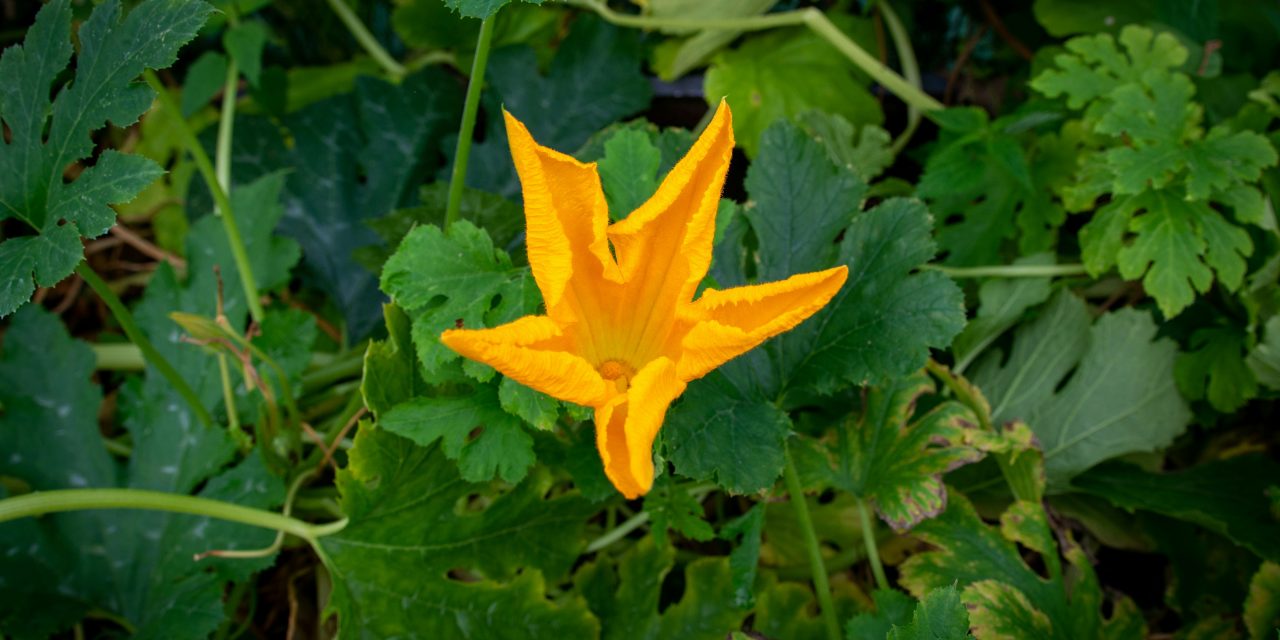
Zucchini plants produce both male and female flowers, with only the latter developing into fruit. The successful pollination of these flowers is crucial for fruit set. When conditions are not optimal, the flowers may drop off before they can be fertilized, resulting in a lack of zucchini. This article delves into the various factors contributing to zucchini flower drop, offering insights into prevention and treatment strategies to ensure a bountiful harvest.
Understanding the Role of Pollination
Pollination is a critical biological process that involves the transfer of pollen from the male anthers to the female stigma of flowers. In zucchini plants, this process is predominantly facilitated by pollinators such as bees and other insects. Successful pollination leads to fertilization, which is necessary for the development of fruit. Without adequate pollination, female flowers may abort and fall off, leading to significant losses in yield.
The timing of pollination is also vital; zucchini flowers typically open in the morning and close by midday. This limited window means that if pollinators are scarce or absent during this time, the chances of successful fertilization diminish significantly. Understanding the intricacies of pollination can help gardeners implement strategies to enhance flower retention and improve overall productivity.
Reason 1: Lack of Pollinators in Your Garden

One of the primary reasons for zucchini flower drop is a lack of pollinators in the vicinity. Pollinators play an indispensable role in transferring pollen between male and female flowers. Factors such as urbanization, pesticide use, and habitat destruction have led to a decline in pollinator populations. Without sufficient numbers of bees and other insects, the likelihood of successful fertilization decreases dramatically.
To mitigate this issue, gardeners can create a pollinator-friendly environment by planting a diverse array of flowering plants that bloom at different times throughout the growing season. This approach not only attracts pollinators but also provides them with essential resources such as nectar and pollen. Additionally, minimizing pesticide use and opting for organic alternatives can help protect these vital insects.
Reason 2: Excessive Heat Stress

Excessive heat stress is another significant factor contributing to zucchini flower drop. Zucchini plants thrive in warm temperatures; however, prolonged exposure to extreme heat can lead to physiological stress. High temperatures can cause flowers to wilt and drop prematurely, particularly if combined with inadequate watering practices.
To combat heat stress, gardeners should ensure that their zucchini plants receive adequate hydration during hot weather. Implementing mulch around the base of the plants can help retain soil moisture and regulate temperature fluctuations. Additionally, providing shade during peak heat hours can protect flowers from scorching and improve overall plant health.
Reason 3: Overwatering or Poor Drainage
While adequate watering is essential for healthy plant growth, overwatering can lead to detrimental effects on zucchini flowers. Excessive moisture can create conditions conducive to root rot and other fungal diseases, which can compromise flower health and lead to premature drop. Poor drainage exacerbates this issue, as waterlogged soil deprives roots of oxygen and hinders nutrient uptake.
To prevent overwatering, gardeners should monitor soil moisture levels regularly and allow the top inch of soil to dry out before watering again. Implementing raised beds or incorporating organic matter into the soil can improve drainage and promote healthy root development. By maintaining optimal moisture levels, gardeners can enhance flower retention and overall plant vigor.
Reason 4: Nutrient Deficiencies Affecting Flower Health
Nutrient deficiencies can significantly impact the health of zucchini flowers, leading to flower drop. Essential nutrients such as nitrogen, phosphorus, and potassium play crucial roles in flower development and overall plant health. A lack of these nutrients can result in weak flowers that are more susceptible to dropping prematurely.
Conducting a soil test can help identify nutrient deficiencies and guide fertilization practices. Incorporating well-balanced fertilizers or organic amendments such as compost can replenish essential nutrients in the soil. Additionally, foliar feeding with micronutrients may provide a quick boost to flower health, ensuring that zucchini plants remain robust and productive.
Reason 5: Pest Infestations Targeting Flowers
Pest infestations pose a significant threat to zucchini flowers, leading to premature drop and reduced fruit set. Common pests such as aphids, spider mites, and squash bugs can damage flowers by feeding on plant tissues or transmitting diseases. The stress caused by these infestations can weaken flowers and make them more prone to dropping.
Implementing integrated pest management (IPM) strategies can help control pest populations while minimizing harm to beneficial insects. Regularly inspecting plants for signs of infestation and employing natural predators or organic insecticides can effectively manage pest issues. By maintaining healthy plants free from pests, gardeners can enhance flower retention and improve overall yield.
Reason 6: Improper Pruning and Plant Maintenance
Improper pruning practices can also contribute to zucchini flower drop. While pruning is essential for promoting airflow and preventing disease, excessive or incorrect pruning can stress plants and lead to flower loss. Additionally, neglecting routine maintenance tasks such as removing dead or diseased foliage can create an environment conducive to disease development.
Gardeners should familiarize themselves with proper pruning techniques specific to zucchini plants. Lightly trimming excess foliage while ensuring that healthy leaves remain intact can promote better air circulation and light penetration. Regular maintenance practices will help keep plants healthy and reduce the likelihood of flower drop.
Reason 7: Environmental Stressors and Weather Conditions
Environmental stressors such as sudden temperature fluctuations, high humidity levels, or strong winds can adversely affect zucchini flowers. These conditions may disrupt normal physiological processes within the plant, leading to flower drop before successful pollination occurs. Additionally, extreme weather events such as heavy rain or hail can physically damage flowers and contribute to premature loss.
To mitigate environmental stressors, gardeners should monitor weather forecasts and take proactive measures during adverse conditions. Providing temporary shelter or windbreaks can protect plants from harsh weather elements. Additionally, selecting resilient zucchini varieties that are better adapted to local climate conditions can enhance overall plant performance.
How to Encourage Pollination for Better Flower Retention
Encouraging pollination is crucial for improving flower retention in zucchini plants. Gardeners can take several steps to enhance pollinator activity in their gardens. Planting a variety of flowering species that bloom concurrently with zucchini will attract bees and other beneficial insects.
Creating habitats that support pollinators is also essential; incorporating native plants into garden designs provides food sources for bees throughout the growing season. Avoiding pesticide applications during peak pollinator activity hours will further protect these vital insects. Hand-pollination techniques can also be employed when natural pollinator activity is low; gently transferring pollen from male flowers to female flowers using a small brush or cotton swab can ensure successful fertilization.
Best Practices to Prevent Zucchini Flowers from Falling Off
To prevent zucchini flowers from falling off prematurely, gardeners should adopt best practices that encompass various aspects of plant care. Regularly monitoring soil moisture levels ensures that plants receive adequate hydration without overwatering. Implementing a balanced fertilization regimen based on soil test results will address nutrient deficiencies that may compromise flower health.
Additionally, maintaining proper spacing between plants promotes airflow and reduces humidity levels around foliage, minimizing disease risk. Regularly inspecting for pests and employing IPM strategies will help keep infestations at bay. Finally, practicing proper pruning techniques will enhance plant structure while promoting healthy growth.
In conclusion, understanding the multifaceted causes of zucchini flower drop is essential for gardeners seeking to optimize their harvests. By addressing factors such as pollinator availability, environmental stressors, nutrient deficiencies, pest management, and proper maintenance practices, gardeners can significantly improve flower retention rates and enjoy a bountiful zucchini harvest.
Summary: Zucchini flower drop is a common issue faced by gardeners that results from various factors including lack of pollinators, excessive heat stress, overwatering, nutrient deficiencies, pest infestations, improper pruning, and environmental stressors. To encourage better flower retention, gardeners should focus on enhancing pollination efforts while implementing best practices for plant care including monitoring moisture levels, maintaining nutrient balance, managing pests effectively, and practicing proper pruning techniques. By addressing these issues holistically, gardeners can ensure healthier plants and more fruitful harvests.
FAQs
Why are my zucchini flowers falling off before they mature?
Zucchini flowers often fall off due to a lack of pollination. Male flowers, which are responsible for providing pollen, must successfully pollinate female flowers for fruit to develop. If there are not enough pollinators, or if the weather conditions are unfavorable, the female flowers may drop off prematurely.
What environmental factors can cause zucchini flowers to drop?
Environmental factors such as extreme temperatures, either too hot or too cold, can stress the plant and lead to flower drop. Additionally, inconsistent watering can affect the plant’s health, causing flowers to fall off. Zucchini plants thrive in warm, consistent conditions with adequate moisture.
How does nutrient deficiency affect zucchini flower retention?
Nutrient deficiencies, particularly in nitrogen, phosphorus, and potassium, can lead to poor flower development and retention. If the plant lacks essential nutrients, it may prioritize survival over reproduction, resulting in the dropping of flowers. Regular soil testing and appropriate fertilization can help mitigate this issue.
Can pests or diseases cause zucchini flowers to fall off?
Yes, pests such as aphids, spider mites, and squash bugs can weaken zucchini plants, leading to flower drop. Additionally, diseases like powdery mildew or bacterial wilt can stress the plant and affect its ability to retain flowers. Regular monitoring and pest management strategies are essential for healthy plants.
Is it normal for some zucchini flowers to fall off?
Yes, it is normal for some zucchini flowers to fall off, especially the male flowers. Male flowers typically bloom first and are not meant to produce fruit. However, if a significant number of female flowers are dropping, it may indicate underlying issues that need to be addressed.