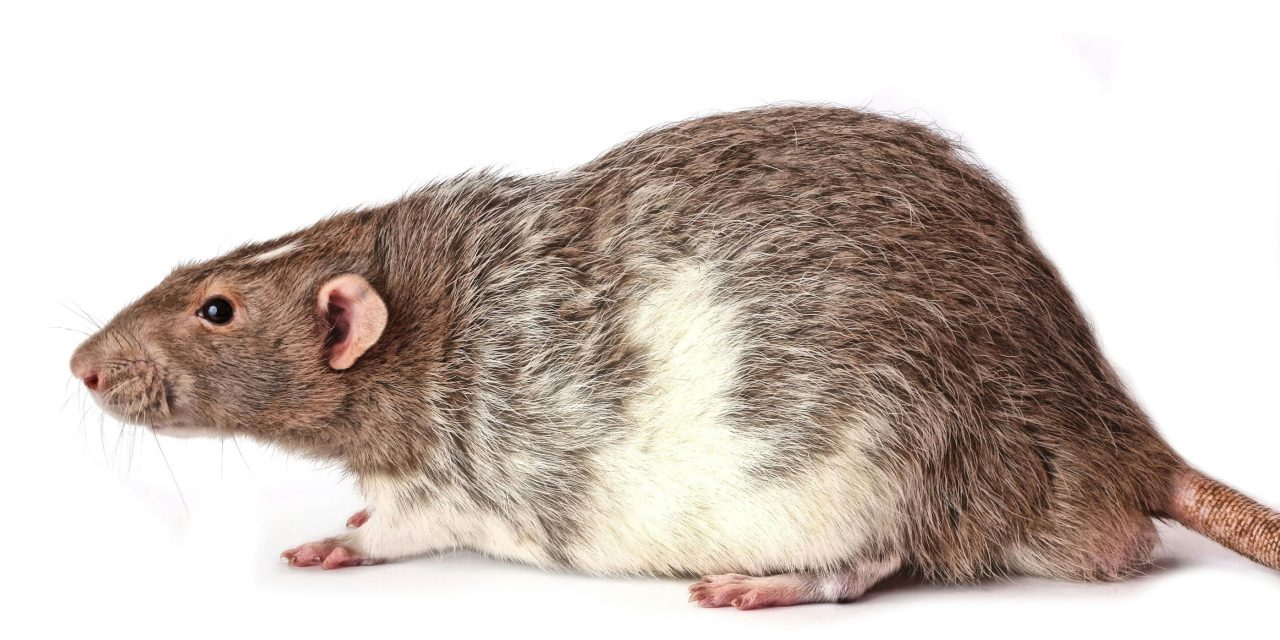
A healthy coat is not merely an aesthetic feature for pet rats; it serves as a vital indicator of their overall health and well-being. The fur of a rat acts as a protective barrier against environmental hazards, pathogens, and temperature fluctuations. A lustrous, well-maintained coat signifies that the animal is receiving adequate nutrition, hydration, and care. Conversely, a dull or patchy coat can be symptomatic of underlying health issues, including nutritional deficiencies, parasitic infestations, or systemic diseases.
Moreover, the condition of a rat’s coat can influence its social interactions and behavior. Rats are social creatures that rely on grooming as a bonding activity. A rat with an unhealthy coat may experience social isolation or stress, which can further exacerbate health problems. Therefore, understanding the significance of maintaining a healthy coat is crucial for any rat owner who wishes to ensure their pet’s happiness and longevity.
Choosing the Right Diet for Your Pet Rat
The foundation of a healthy coat begins with a balanced diet tailored to meet the specific nutritional needs of pet rats. A high-quality commercial rat food should form the basis of their diet, providing essential nutrients such as proteins, fats, vitamins, and minerals. Look for formulations that contain a mix of grains, seeds, and pellets to ensure a comprehensive nutrient profile. Proteins are particularly important for fur health; sources such as cooked eggs, lean meats, and legumes can be beneficial.
In addition to commercial food, fresh fruits and vegetables should be incorporated into their diet. Leafy greens like kale and spinach are excellent choices, while fruits such as apples and bananas provide necessary vitamins. However, moderation is key; excessive sugary treats can lead to obesity and other health complications. It is also advisable to avoid processed human foods that may contain harmful additives or excessive salt.
Regular Grooming Techniques for Rats

Grooming is an essential aspect of maintaining a rat’s coat health. Regular brushing helps remove loose fur and debris while distributing natural oils throughout the coat, promoting shine and softness. A soft-bristled brush or a grooming glove can be effective tools for this purpose. It is recommended to groom your rat at least once a week to keep their coat in optimal condition.
In addition to brushing, inspecting your rat’s skin during grooming sessions is crucial. Look for signs of irritation, redness, or parasites such as mites or fleas. Early detection of skin issues can prevent more severe problems down the line. Furthermore, grooming sessions can serve as an opportunity for bonding between you and your pet, enhancing their comfort with handling.
Bathing Your Rat: When and How to Do It Safely

Bathing should be approached with caution and is generally not necessary for rats unless they become excessively dirty or have a specific skin condition that requires it. If bathing is warranted, it is essential to use lukewarm water and a gentle, unscented shampoo specifically formulated for small animals. Human shampoos can disrupt the natural oils in their fur and lead to skin irritation.
When bathing your rat, ensure that you have all necessary supplies within reach to minimize stress. Gently wet your rat’s fur while avoiding their face and ears. Apply a small amount of shampoo and lather carefully before rinsing thoroughly to remove all soap residue. After bathing, wrap your rat in a soft towel to dry them off gently. Avoid using hair dryers as the noise can be frightening and may cause stress.
The Role of Hydration in Coat Health
Hydration plays a pivotal role in maintaining the health of your pet rat’s coat. Water is essential for various physiological processes, including digestion and nutrient absorption, which directly impact fur quality. Dehydration can lead to dry skin and a lackluster coat, making it imperative to provide fresh water daily.
Rats typically consume water through a sipper bottle or bowl; however, it is crucial to monitor their intake regularly. If you notice that your rat is drinking less than usual or exhibiting signs of dehydration—such as lethargy or dry mucous membranes—consult your veterinarian promptly. Additionally, incorporating water-rich fruits and vegetables into their diet can help boost hydration levels.
Identifying and Preventing Common Skin Issues
Rats are susceptible to various skin issues that can affect their coat health. Common problems include dermatitis, ringworm, and parasitic infestations like mites or fleas. Dermatitis may present as redness or irritation on the skin and can result from allergies or poor hygiene. Ringworm is a fungal infection characterized by circular patches of hair loss and requires veterinary intervention for treatment.
Preventive measures are essential in minimizing the risk of skin issues. Regular grooming helps keep the coat clean and free from debris that could harbor parasites. Maintaining a clean living environment by regularly changing bedding and cleaning cages will also reduce the likelihood of infestations. If you notice any unusual changes in your rat’s skin or coat, seek veterinary advice promptly.
Creating a Clean and Comfortable Living Environment
A clean living environment is paramount for the overall health of your pet rat and directly influences the condition of their coat. Rats are naturally clean animals; therefore, providing them with a tidy habitat will encourage good grooming habits and reduce stress levels. Regularly clean their cage by removing soiled bedding and uneaten food to prevent odors and bacterial growth.
In addition to cleanliness, ensure that your rat’s living space is comfortable and enriched with appropriate bedding materials such as paper-based products or aspen shavings. Avoid cedar or pine shavings as they can emit harmful oils that irritate the respiratory system. Providing hiding spots and toys will also promote mental stimulation and reduce anxiety.
Using Supplements to Enhance Fur Quality
In some cases, dietary supplements may be beneficial in enhancing your rat’s coat quality. Omega-3 fatty acids are known for their anti-inflammatory properties and can improve skin health while promoting a shiny coat. Fish oil or flaxseed oil can be added to their diet in moderation after consulting with a veterinarian.
Additionally, biotin supplements may support healthy fur growth and overall skin condition. However, it is crucial to consult with a veterinarian before introducing any supplements into your pet’s diet to ensure they are appropriate for your rat’s specific needs.
Handling Stress to Promote Overall Well-being
Stress can significantly impact your pet rat’s health, including the condition of their coat. Factors such as loud noises, sudden changes in environment, or inadequate social interaction can lead to anxiety in these sensitive creatures. To mitigate stress levels, create a stable environment with minimal disturbances.
Regular handling and socialization are vital for reducing anxiety in pet rats. Spend time interacting with them daily through gentle play or training exercises to build trust and confidence. Providing opportunities for exploration outside their cage in a safe space can also enhance their mental well-being.
Recognizing Signs of Coat Problems Early
Early detection of coat problems is crucial for effective intervention and treatment. Owners should regularly inspect their rats for signs such as excessive scratching, bald patches, or changes in fur texture or color. Additionally, observe any behavioral changes that may indicate discomfort or distress.
If you notice any abnormalities in your rat’s coat or skin condition, it is essential to consult with a veterinarian promptly. Early diagnosis can lead to more effective treatment options and prevent further complications from arising.
Consulting a Veterinarian for Persistent Coat Concerns
If your pet rat exhibits persistent coat issues despite implementing preventive measures and proper care techniques, seeking veterinary advice is imperative. A veterinarian specializing in small animals can conduct thorough examinations to identify underlying health problems that may be contributing to coat deterioration.
Diagnostic tests may include skin scrapings or blood work to rule out infections or systemic diseases. Treatment options will vary based on the diagnosis but may include medicated shampoos, topical treatments, or dietary adjustments tailored to address specific deficiencies.
In summary, maintaining a healthy coat for your pet rat involves understanding its significance in overall well-being, providing a balanced diet rich in nutrients, regular grooming practices, proper hydration, and creating a clean living environment. By recognizing early signs of coat problems and consulting with veterinarians when necessary, you can ensure your furry companion remains healthy and happy throughout its life.
FAQs
What are the signs of a healthy coat in pet rats?
A healthy coat in pet rats is typically shiny, smooth, and free of bald patches or excessive dandruff. The fur should feel soft to the touch, and the skin underneath should be pink and free of sores or irritation. Regular grooming can help maintain this condition.
How often should I groom my pet rat?
It is recommended to groom your pet rat at least once a week. This helps remove loose fur, dirt, and debris, and also allows you to check for any skin issues or parasites. Some rats may require more frequent grooming, especially those with longer fur.
What type of diet supports a healthy coat for pet rats?
A balanced diet rich in protein, vitamins, and minerals is essential for maintaining a healthy coat in pet rats. High-quality commercial rat food, supplemented with fresh fruits and vegetables, can provide the necessary nutrients. Foods rich in omega-3 fatty acids, such as flaxseed or fish oil, can also promote a shiny coat.
Are there specific health issues that can affect a rat’s coat?
Yes, several health issues can affect a rat’s coat, including skin infections, parasites like mites or fleas, and nutritional deficiencies. If you notice significant changes in your rat’s coat, such as excessive shedding or bald spots, it is important to consult a veterinarian for a proper diagnosis and treatment.
How can I prevent my pet rat from developing skin problems?
To prevent skin problems in pet rats, maintain a clean living environment by regularly cleaning their cage and providing fresh bedding. Ensure they have a balanced diet, and monitor their health closely. Regular grooming can also help prevent matting and skin irritation, while providing opportunities for bonding and stress relief.