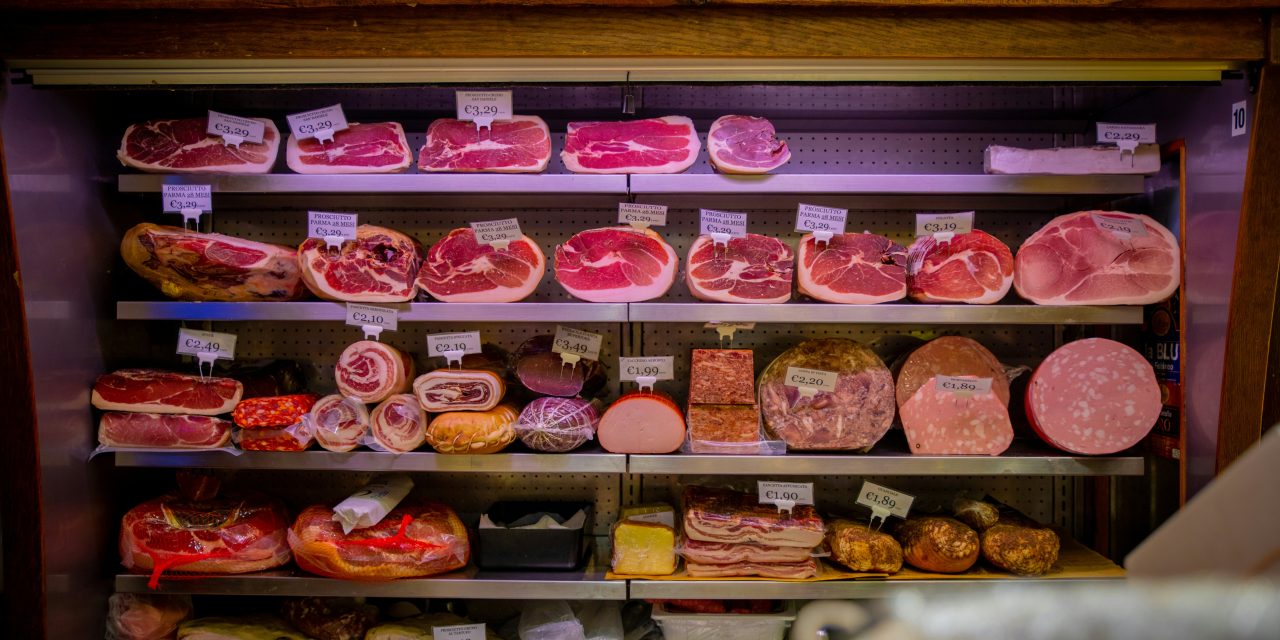
Deli meats, also known as lunch meats or cold cuts, are processed meats that are typically sliced thin and served cold. They encompass a wide variety of products, including turkey, ham, roast beef, salami, bologna, and pastrami. Each type of deli meat has its unique flavor profile and texture, making them versatile ingredients in sandwiches, salads, and charcuterie boards. The processing methods used to create deli meats often involve curing, smoking, or cooking, which can influence their taste and preservation characteristics.
Storage needs for deli meats are critical to maintaining their quality and safety. Most deli meats are sold pre-packaged or freshly sliced at the deli counter. Regardless of the form, proper storage is essential to prevent spoilage and foodborne illnesses. Deli meats should be kept in the refrigerator at temperatures below 40°F (4°C) to inhibit bacterial growth. Additionally, they should be stored in airtight containers or tightly wrapped in plastic wrap or aluminum foil to minimize exposure to air and moisture.
Factors Affecting the Shelf Life of Opened Deli Meat
Several factors can significantly impact the shelf life of opened deli meat. One of the primary considerations is the type of meat itself; for instance, cured meats like salami may last longer than fresh turkey breast due to their lower moisture content and higher salt levels. Additionally, the method of processing plays a role; meats that have been smoked or cooked tend to have extended shelf lives compared to those that are simply cured.
Environmental conditions also affect how long deli meat remains safe for consumption. Exposure to air can lead to oxidation, which not only alters flavor but can also promote spoilage. Temperature fluctuations during storage can accelerate bacterial growth, making it crucial to maintain a consistent refrigeration environment. Lastly, the handling practices prior to storage—such as cleanliness and cross-contamination—can introduce pathogens that compromise the meat’s safety.
Typical Shelf Life of Various Deli Meats After Opening

The shelf life of opened deli meats varies widely depending on the type and storage conditions. Generally speaking, most opened deli meats can last anywhere from three to five days when stored properly in the refrigerator. For example, sliced turkey breast typically remains fresh for about three to four days, while salami can last up to two weeks due to its curing process.
Here’s a breakdown of typical shelf lives for various deli meats after opening:
– **Turkey Breast**: 3-4 days
– **Ham**: 3-5 days
– **Roast Beef**: 3-5 days
– **Salami**: 1-2 weeks
– **Bologna**: 5-7 days
These timeframes serve as general guidelines; however, individual circumstances such as packaging and handling can influence actual shelf life.
Signs That Deli Meat Has Gone Bad

Identifying spoiled deli meat is crucial for preventing foodborne illnesses. Several indicators can signal that deli meat has deteriorated. The first sign is often a change in color; fresh deli meats should have a vibrant hue, while spoiled varieties may appear dull or develop grayish or greenish tints. Additionally, an off-putting odor is a strong indicator of spoilage; fresh deli meats should have a mild scent, whereas spoiled meats may emit a sour or rancid smell.
Texture changes can also indicate spoilage; if the meat feels slimy or sticky to the touch, it is likely no longer safe to consume. Furthermore, if you notice any mold growth on the surface of the meat or packaging, it is essential to discard it immediately. Always trust your senses—when in doubt about the freshness of deli meat, it is safer to err on the side of caution.
Proper Storage Techniques to Extend Deli Meat Freshness
To maximize the freshness and safety of deli meats, employing proper storage techniques is essential. First and foremost, ensure that deli meats are stored in airtight containers or tightly wrapped in plastic wrap or aluminum foil. This minimizes exposure to air and moisture, which can accelerate spoilage.
It is also advisable to keep deli meats on the bottom shelf of the refrigerator where temperatures are most stable and coldest. Avoid storing them in the refrigerator door, as this area experiences temperature fluctuations due to frequent opening and closing. Additionally, consider labeling containers with purchase dates to keep track of freshness and ensure timely consumption.
The Role of Refrigeration in Preserving Deli Meat
Refrigeration plays a pivotal role in preserving deli meat by slowing down bacterial growth and enzymatic reactions that lead to spoilage. The ideal temperature for storing deli meats is below 40°F (4°C). At this temperature, pathogenic bacteria such as Listeria monocytogenes and Salmonella spp. are inhibited from proliferating.
It is important to regularly check your refrigerator’s temperature settings with an appliance thermometer to ensure optimal conditions for food safety. If you notice any fluctuations or if your refrigerator fails to maintain a consistent temperature, it may be necessary to adjust settings or seek professional repair services.
Can You Freeze Opened Deli Meat? Guidelines and Tips
Freezing opened deli meat is an effective way to extend its shelf life beyond what refrigeration allows. However, it is essential to follow specific guidelines for optimal results. Before freezing, ensure that the deli meat is tightly wrapped in plastic wrap or aluminum foil and placed in an airtight freezer bag or container to prevent freezer burn.
Most deli meats can be frozen for up to two months without significant loss of quality; however, some may retain their texture better than others upon thawing. For instance, turkey and ham may become slightly drier after freezing compared to salami or bologna. When ready to use frozen deli meat, thaw it in the refrigerator rather than at room temperature to minimize bacterial growth.
How to Safely Reheat Deli Meat Without Compromising Quality
Reheating deli meat requires careful attention to maintain its quality while ensuring food safety. The best method for reheating is using a microwave or stovetop while ensuring that the internal temperature reaches at least 165°F (74°C) to eliminate any potential pathogens.
When using a microwave, place the deli meat on a microwave-safe plate and cover it with a damp paper towel to retain moisture during heating. Heat in short intervals—about 30 seconds at a time—checking frequently until the desired temperature is reached. Alternatively, reheating on a stovetop can enhance flavor; simply place the meat in a skillet over medium heat until warmed through.
Differences in Shelf Life Between Packaged and Freshly Sliced Deli Meat
The shelf life of packaged versus freshly sliced deli meat can differ significantly due to various factors such as preservatives used and exposure to air. Packaged deli meats often contain preservatives like sodium nitrite that extend their shelf life beyond that of freshly sliced varieties.
Typically, pre-packaged deli meats can last up to two weeks unopened and about five days once opened if stored correctly. In contrast, freshly sliced deli meats from the counter usually have a shorter shelf life—approximately three to five days after opening—due to their lack of preservatives and increased exposure to air during slicing.
Food Safety Tips: Avoiding Cross-Contamination with Deli Meat
Preventing cross-contamination is vital when handling deli meats to reduce the risk of foodborne illnesses. Always wash your hands thoroughly with soap and water before and after handling any food items, especially raw meats. Use separate cutting boards for raw meats and ready-to-eat foods like deli meats to avoid transferring harmful bacteria.
Additionally, ensure that utensils used for slicing or serving deli meats are clean and sanitized before use. Store deli meats away from raw foods in the refrigerator and avoid placing them on surfaces that have come into contact with uncooked items.
When in Doubt: Disposing of Deli Meat to Prevent Foodborne Illness
When uncertainty arises regarding the freshness or safety of deli meat, it is prudent to dispose of it rather than risk foodborne illness. Symptoms of foodborne illnesses can range from mild gastrointestinal discomfort to severe complications requiring medical attention.
If you suspect that your deli meat has gone bad due to changes in color, odor, texture, or if it has been stored beyond recommended timeframes, it is best practice to discard it immediately. Always prioritize safety over waste; consuming spoiled food can lead to serious health consequences.
In summary, understanding the types of deli meat available and their specific storage needs is crucial for maintaining freshness and safety. Factors such as type of meat, environmental conditions, and handling practices all influence shelf life after opening. Recognizing signs of spoilage and employing proper storage techniques can significantly extend freshness while minimizing risks associated with foodborne illnesses. Freezing opened deli meat is an effective preservation method when done correctly, while safe reheating practices ensure quality retention. By adhering to food safety guidelines and being vigilant about cross-contamination, consumers can enjoy deli meats without compromising their health.
FAQs
How long does opened deli meat last in the refrigerator?
Opened deli meat typically lasts about 3 to 5 days in the refrigerator when stored properly in an airtight container or tightly wrapped in plastic wrap or aluminum foil.
Can deli meat be frozen after opening?
Yes, deli meat can be frozen after opening. It is best to wrap it tightly in plastic wrap or aluminum foil and then place it in a freezer-safe bag or container. Frozen deli meat can last for 1 to 2 months, although it may lose some quality over time.
What signs indicate that deli meat has gone bad?
Signs that deli meat has gone bad include a slimy texture, off smell, discoloration, or the presence of mold. If any of these signs are present, it is best to discard the meat.
Does the type of deli meat affect its shelf life?
Yes, the type of deli meat can affect its shelf life. Generally, processed meats like turkey and ham may last slightly longer than more perishable options like roast beef or chicken. Always check the specific guidelines for each type of meat.
Should deli meat be stored on the top or bottom shelf of the refrigerator?
Deli meat should ideally be stored on the bottom shelf of the refrigerator, where the temperature is more stable and colder, helping to prolong its freshness and safety.