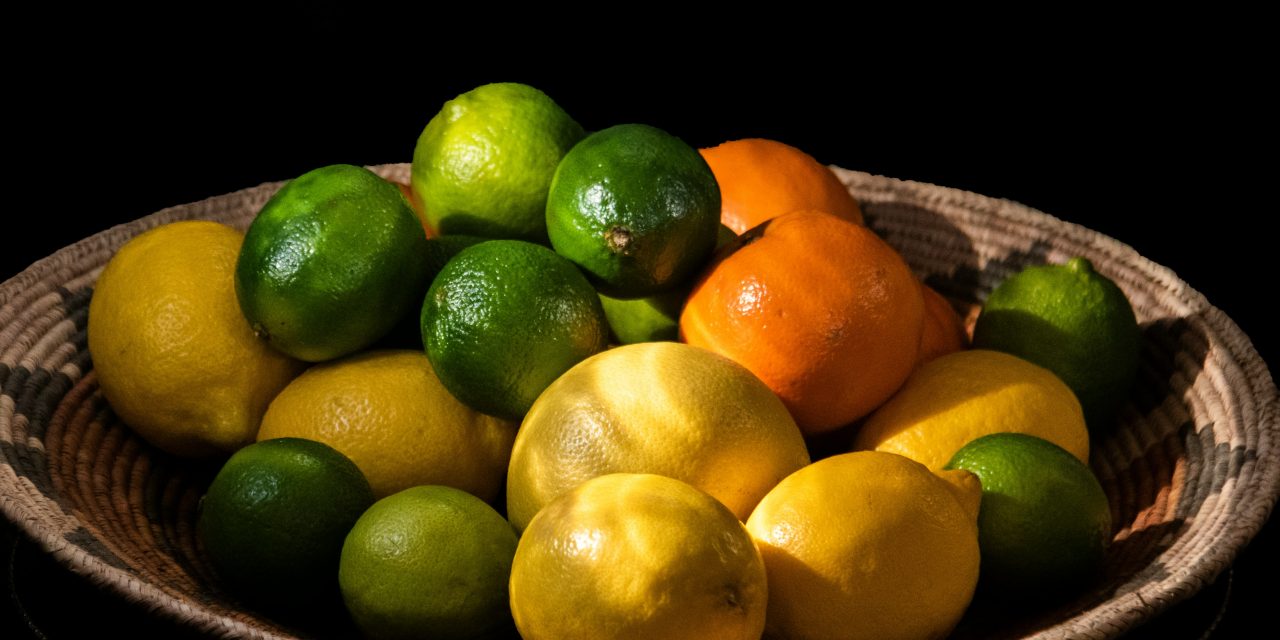
Lemons and limes are not only staples in culinary practices but also possess numerous health benefits due to their high vitamin C content and antioxidant properties. Understanding their shelf life is crucial for maximizing their utility and minimizing waste. Typically, fresh lemons and limes can last anywhere from one to three weeks when stored properly at room temperature. However, their longevity can be significantly extended through appropriate storage techniques.
The shelf life of these citrus fruits is influenced by various factors, including their ripeness at the time of purchase, environmental conditions, and handling practices. For instance, lemons that are fully ripe may have a shorter shelf life compared to those that are slightly under-ripe. Additionally, exposure to moisture and temperature fluctuations can accelerate spoilage, leading to mold growth or softening of the fruit. Therefore, understanding these dynamics is essential for anyone looking to keep their lemons and limes fresh for as long as possible.
Choosing Fresh Lemons and Limes for Longer Storage
Selecting high-quality lemons and limes is the first step toward ensuring a longer shelf life. When shopping for these citrus fruits, look for specimens that are firm to the touch, with a smooth, glossy skin. The color should be vibrant; for lemons, a bright yellow hue indicates ripeness, while limes should be a rich green. Avoid fruits with blemishes, soft spots, or signs of wrinkling, as these are indicators of deterioration.
Another important factor to consider is the weight of the fruit. Heavier lemons and limes typically contain more juice, which is a sign of freshness. Additionally, the aroma can be a good indicator; fresh citrus fruits emit a strong, pleasant scent. By choosing the best quality fruits at the outset, you can significantly extend their usability and reduce waste.
The Importance of Proper Handling Before Storage

Proper handling of lemons and limes before storage is crucial in maintaining their freshness. After purchasing, it is advisable to handle them gently to avoid bruising, which can lead to premature spoilage. If you notice any damaged fruit during your inspection, it is best to separate it from the rest to prevent it from affecting the others.
Washing lemons and limes before storage can also be beneficial. Rinsing them under cool water helps remove any pesticide residues or dirt that may have accumulated on their surface. However, it is essential to dry them thoroughly before storing, as excess moisture can promote mold growth. By implementing these handling practices, you can significantly enhance the longevity of your citrus fruits.
Storing Lemons and Limes at Room Temperature

Storing lemons and limes at room temperature is a viable option if you plan to use them within a week or two. To do this effectively, place the fruits in a bowl or on a countertop away from direct sunlight and heat sources. A cool, dry area is ideal for maintaining their freshness.
It is important to note that while room temperature storage is convenient, it may not be suitable for long-term preservation. If you notice any signs of spoilage during this period—such as soft spots or discoloration—it is advisable to use those fruits immediately or discard them to prevent them from affecting others.
Refrigeration: Extending the Freshness of Citrus Fruits
Refrigeration is one of the most effective methods for extending the shelf life of lemons and limes. When stored in the refrigerator, these citrus fruits can last up to four weeks or even longer. To maximize freshness in cold storage, place them in the crisper drawer where humidity levels are higher.
It is advisable to keep lemons and limes in a perforated plastic bag or a mesh produce bag to allow for air circulation while preventing moisture accumulation. This method helps maintain optimal humidity levels without trapping excess moisture that could lead to spoilage. By utilizing refrigeration effectively, you can enjoy fresh citrus fruits for an extended period.
Using Airtight Containers and Plastic Wrap for Storage
For those looking to further prolong the freshness of lemons and limes, using airtight containers or plastic wrap can be highly effective. After washing and drying the fruits thoroughly, wrap them individually in plastic wrap or place them in an airtight container. This method minimizes exposure to air and moisture, both of which contribute to spoilage.
When using airtight containers, ensure they are clean and dry before placing the fruits inside. This practice not only preserves freshness but also prevents cross-contamination with other foods in your refrigerator. By employing these storage techniques, you can significantly reduce waste and enjoy your citrus fruits longer.
Freezing Lemons and Limes: Methods and Tips
Freezing is an excellent option for preserving lemons and limes when you have an abundance or wish to store them long-term. There are several methods for freezing these citrus fruits effectively. One popular approach involves slicing the fruits into wedges or rounds before placing them on a baking sheet lined with parchment paper. This allows them to freeze individually without sticking together.
Once frozen solid, transfer the lemon or lime pieces into a freezer-safe bag or container, removing as much air as possible before sealing. Alternatively, you can freeze lemon or lime juice in ice cube trays for easy portioning later on. This method allows you to have fresh citrus flavor readily available for cooking or beverages without compromising quality.
Storing Lemon and Lime Juice for Maximum Freshness
Freshly squeezed lemon and lime juice can also be stored effectively to maintain its flavor and nutritional value. To do this, pour the juice into an airtight container or ice cube tray for freezing. If using an ice cube tray, once frozen solid, transfer the cubes into a freezer-safe bag for easy access.
When storing juice in the refrigerator, it is best consumed within three days for optimal freshness. Always ensure that the container is tightly sealed to prevent oxidation and loss of flavor. By following these guidelines, you can enjoy the vibrant taste of lemon and lime juice long after the fruits themselves have been consumed.
Preserving Lemons and Limes with Salt or Sugar
Preserving lemons and limes with salt or sugar is an age-old technique that enhances their flavor while extending their shelf life significantly. Salt-preserved lemons are commonly used in Mediterranean cuisine; they involve packing whole lemons with salt in a jar and allowing them to ferment over time. This method not only preserves the fruit but also infuses it with rich flavors.
Sugar preservation works similarly; by creating a syrup with sugar and water, you can immerse lemon or lime slices in this mixture for preservation. Both methods yield unique flavors that can elevate various dishes while providing a long-lasting citrus option in your pantry.
Signs of Spoilage and When to Discard Citrus Fruits
Recognizing signs of spoilage in lemons and limes is essential for maintaining food safety and quality. Common indicators include soft spots, discoloration (such as brown patches), mold growth, or an off-putting odor emanating from the fruit. If any of these signs are present, it is advisable to discard the affected fruit immediately.
Additionally, if you notice excessive wrinkling or shriveling of the skin, it may indicate that the fruit has lost its moisture content and flavor quality. While some minor blemishes may not render the fruit inedible, it is crucial to assess each piece carefully before consumption.
Tips for Using Stored Lemons and Limes to Minimize Waste
To minimize waste when using stored lemons and limes, consider incorporating them into various recipes beyond just garnishing drinks or salads. Zesting the peel can add vibrant flavor to baked goods or marinades while utilizing juice in dressings or sauces maximizes its use.
Additionally, consider making lemon or lime-infused water by adding slices to your hydration routine; this not only enhances flavor but also encourages consumption of water throughout the day. By creatively using stored citrus fruits in diverse culinary applications, you can ensure that nothing goes to waste while enjoying their numerous health benefits.
In summary, understanding how to select, handle, store, and utilize lemons and limes effectively can significantly enhance their shelf life while minimizing waste. By employing proper storage techniques such as refrigeration, freezing, or preservation methods with salt or sugar, you can enjoy these vibrant citrus fruits long after their initial purchase. Recognizing signs of spoilage ensures food safety while maximizing culinary potential through creative usage will allow you to reap all the benefits these fruits have to offer.
FAQs
What is the best way to store lemons and limes at room temperature?
Lemons and limes can be stored at room temperature for a short period, ideally in a cool, dry place away from direct sunlight. Keeping them in a bowl or on the countertop is acceptable, but they should be used within a week for optimal freshness.
How should I store lemons and limes in the refrigerator?
To maximize shelf life, store lemons and limes in the refrigerator. Place them in a plastic bag or airtight container to prevent moisture loss. They can last up to three to four weeks when stored this way.
Can I freeze lemons and limes for long-term storage?
Yes, you can freeze lemons and limes. Cut them into wedges or slices, or juice them and pour the juice into ice cube trays. Once frozen, transfer the cubes to a freezer bag. They can last for several months in the freezer.
What is the impact of storing lemons and limes together?
Storing lemons and limes together is generally fine, but it’s important to check for any signs of spoilage. Both fruits produce ethylene gas, which can accelerate ripening. If one fruit starts to spoil, it can affect the other, so it’s best to separate them if one shows signs of decay.
How can I tell if a lemon or lime has gone bad?
Signs that a lemon or lime has gone bad include soft spots, mold, or an off smell. If the fruit feels excessively mushy or has a dry, shriveled appearance, it is best to discard it. Fresh lemons and limes should feel firm and have a vibrant color.