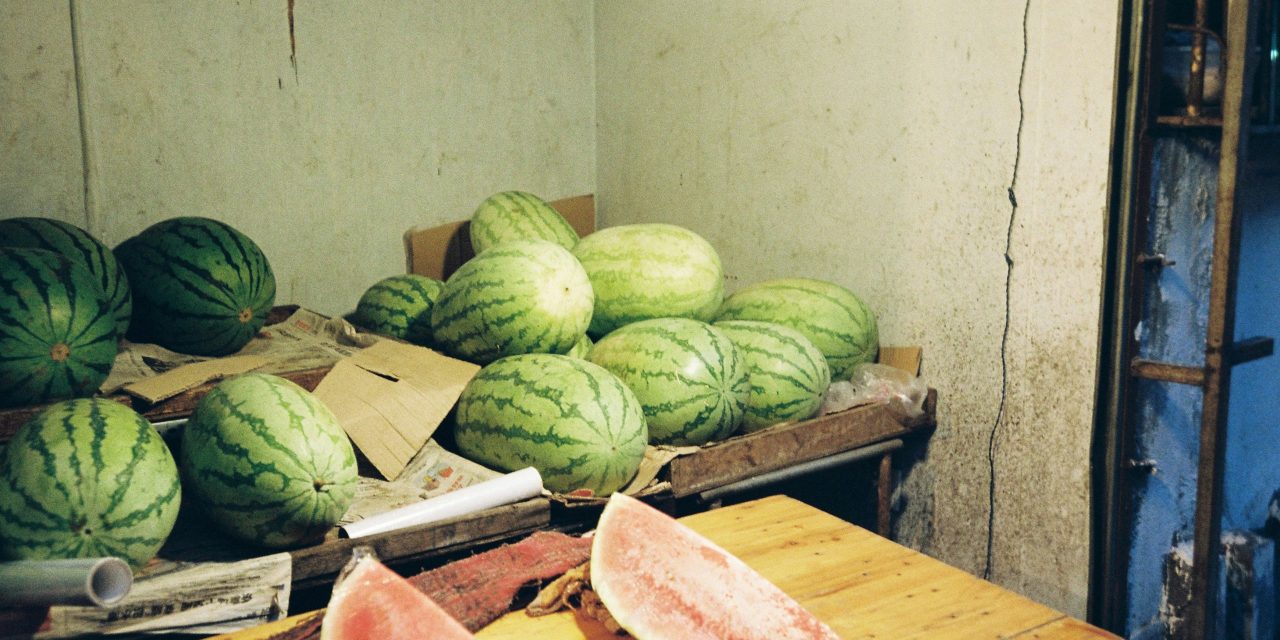
Watermelon, a quintessential summer fruit, is not only refreshing but also packed with essential nutrients such as vitamins A and C, potassium, and antioxidants. However, the enjoyment of this juicy delight can be significantly diminished if it is not stored correctly. Proper storage is crucial for maintaining the fruit’s flavor, texture, and nutritional value. When watermelon is stored improperly, it can lead to spoilage, loss of taste, and even potential foodborne illnesses.
The significance of proper storage extends beyond mere preservation; it also affects the fruit’s safety for consumption. Watermelon has a high water content, making it susceptible to bacterial growth if left at room temperature for extended periods. Understanding the best practices for storing watermelon can enhance your culinary experience while ensuring that you reap the maximum health benefits from this delicious fruit.
Choosing the Right Container for Cut Watermelon
Selecting an appropriate container for cut watermelon is vital for maintaining its freshness and preventing contamination. Ideally, airtight containers made from glass or BPA-free plastic are recommended. These materials not only provide a secure seal but also prevent moisture loss, which can lead to a dry and unpalatable texture.
When choosing a container, consider the size of the watermelon pieces. Smaller chunks may fit well in a medium-sized container, while larger wedges might require a more spacious option. Additionally, ensure that the container is clean and dry before placing the watermelon inside to minimize the risk of bacterial growth. Using a container with a lid will help keep out unwanted odors and contaminants from other foods in the refrigerator.
Preparing the Watermelon Before Refrigeration

Before placing cut watermelon in the refrigerator, it is essential to prepare it properly to maximize its shelf life. Start by washing the exterior of the watermelon thoroughly under running water to remove any dirt or pesticides that may be present on the skin. This step is crucial as it prevents cross-contamination when cutting into the fruit.
Once washed, use a sharp knife to cut the watermelon into desired shapes—whether cubes, wedges, or slices. It is advisable to remove any seeds during this process, as they can detract from the eating experience. After cutting, place the pieces in your chosen container, ensuring that they are not overcrowded. This allows for better air circulation and helps maintain optimal moisture levels.
Wrapping Techniques to Preserve Freshness

In addition to using airtight containers, employing effective wrapping techniques can further enhance the preservation of cut watermelon. One popular method involves wrapping individual pieces in plastic wrap or aluminum foil before placing them in a container. This additional layer of protection helps to minimize exposure to air, which can lead to oxidation and spoilage.
Another technique is to use beeswax wraps, which are eco-friendly alternatives to plastic wrap. These wraps create a breathable barrier that allows moisture retention while preventing the absorption of odors from other foods. Whichever method you choose, ensure that the wrapping is snug but not overly tight, as this could cause bruising or damage to the fruit.
Ideal Temperature Settings for Your Fridge
The ideal temperature for storing cut watermelon in your refrigerator is between 32°F and 40°F (0°C to 4°C). Maintaining this temperature range is crucial for slowing down enzymatic activity and bacterial growth, which can lead to spoilage. Most modern refrigerators have adjustable temperature settings; therefore, it is advisable to regularly check and calibrate your fridge to ensure optimal conditions.
Using a refrigerator thermometer can help monitor internal temperatures accurately. If your refrigerator tends to fluctuate in temperature due to frequent opening or overloading, consider organizing it efficiently to allow for better airflow. Keeping cut watermelon at consistent temperatures will significantly prolong its freshness and quality.
How to Position Watermelon in the Refrigerator
The positioning of cut watermelon within your refrigerator can impact its longevity and quality. It is best to place the container on a middle shelf rather than in the door, where temperatures can fluctuate more dramatically due to frequent opening and closing. The middle shelf typically maintains a more stable temperature, providing an ideal environment for preserving freshness.
Additionally, avoid placing watermelon near strong-smelling foods such as onions or garlic, as it can absorb these odors easily due to its porous nature. Keeping watermelon in a designated area away from other foods will help maintain its natural flavor profile while preventing cross-contamination.
Tips to Prevent Watermelon from Absorbing Odors
Watermelon has a delicate flavor that can be easily compromised by absorbing odors from other foods in the refrigerator. To prevent this from happening, consider using odor-absorbing agents such as baking soda or activated charcoal placed in an open container within your fridge. These substances can help neutralize unwanted smells without affecting the taste of your stored fruits.
Another effective strategy is to ensure that all foods are stored in airtight containers or properly wrapped. This minimizes odor transfer between items and helps maintain the integrity of your watermelon’s flavor. Regularly cleaning your refrigerator can also eliminate lingering odors that may affect your food.
Recommended Storage Duration for Cut Watermelon
Cut watermelon can typically be stored in the refrigerator for about 3 to 5 days without significant loss of quality. However, this duration may vary depending on factors such as initial ripeness and storage conditions. To maximize freshness, consume cut watermelon within this timeframe for optimal taste and texture.
If you find yourself with leftover watermelon beyond this period, consider freezing it for later use in smoothies or desserts. Freezing can extend its shelf life significantly; however, be aware that the texture may change upon thawing due to its high water content.
Signs Your Stored Watermelon Has Gone Bad
Recognizing signs of spoilage in stored watermelon is essential for food safety. Common indicators include an off-putting odor, slimy texture, or discoloration on the surface of the fruit. If you notice any mold growth or excessive softness when pressing on the flesh, it is best to discard the watermelon immediately.
Additionally, if you observe any unusual changes in color—such as browning or dark spots—this may indicate that the fruit has begun to deteriorate. Always trust your senses; if something seems off about your stored watermelon, err on the side of caution and dispose of it.
Using Leftover Watermelon Safely
Leftover watermelon can be repurposed creatively rather than simply discarded. One popular option is blending it into smoothies or juices, where its natural sweetness can enhance flavor profiles without added sugars. Additionally, leftover pieces can be incorporated into salads or salsas for a refreshing twist.
If you choose to freeze leftover watermelon, cut it into smaller chunks before placing them in freezer-safe bags or containers. This allows for easy portioning later on when you want to use them in recipes or snacks. Always label containers with dates to keep track of freshness.
Additional Tips for Maintaining Watermelon Flavor and Texture
To further enhance your experience with watermelon, consider these additional tips: First, always select ripe watermelons when purchasing; look for a uniform shape and a creamy yellow spot on one side indicating ripeness. Secondly, avoid cutting into watermelon until you are ready to consume it; whole watermelons have a longer shelf life compared to cut ones.
Lastly, consider serving watermelon chilled but not frozen; extreme cold can dull its flavor profile. Allowing cut pieces to sit at room temperature for about 10-15 minutes before serving can enhance their sweetness and juiciness.
In summary, proper storage techniques are essential for maintaining the freshness and quality of cut watermelon. By choosing appropriate containers, preparing the fruit correctly before refrigeration, and employing effective wrapping methods, you can significantly extend its shelf life while preserving its delightful flavor and texture. Monitoring temperature settings and positioning within your refrigerator also plays a crucial role in preventing spoilage and odor absorption. Recognizing signs of spoilage ensures food safety while providing creative ways to utilize leftover watermelon enhances your culinary experience with this beloved summer fruit.
FAQs
How should I store cut watermelon in the fridge?
Cut watermelon should be stored in an airtight container or tightly wrapped in plastic wrap to prevent it from absorbing odors and to keep it fresh. Make sure to place it in the refrigerator as soon as possible after cutting.
How long can cut watermelon be stored in the fridge?
Cut watermelon can typically be stored in the fridge for about 3 to 5 days. It’s best to consume it within this timeframe for optimal freshness and taste.
Should I remove the seeds before storing cut watermelon?
It is not necessary to remove the seeds before storing cut watermelon. However, if you prefer seedless pieces for convenience, you can cut them out before placing the watermelon in the storage container.
Can I freeze cut watermelon for later use?
Yes, you can freeze cut watermelon, but it may lose its texture and become mushy once thawed. To freeze, cut the watermelon into cubes, spread them on a baking sheet to freeze individually, and then transfer them to a freezer-safe bag or container.
Is it safe to eat cut watermelon that has been stored for too long?
It is not safe to eat cut watermelon that has been stored for more than 5 days in the fridge. If it has an off smell, slimy texture, or any signs of mold, it should be discarded to avoid foodborne illness.