Mold is a type of fungus that thrives in various environments, including food products. It reproduces through spores, which can be airborne or transferred via contact with contaminated surfaces. In the context of cheese, mold can develop due to several factors, including moisture, temperature, and the presence of nutrients. Cheese, being a dairy product rich in proteins and fats, provides an ideal substrate for mold growth. The process begins when mold spores land on the cheese surface, germinate, and proliferate under favorable conditions.
The growth of mold on cheese can be both intentional and unintentional. Certain cheeses are designed to be mold-ripened, where specific strains of mold are introduced to enhance flavor and texture. However, unintentional mold growth can occur due to improper storage or contamination. Understanding the conditions that promote mold growth is crucial for both cheese producers and consumers to ensure safety and quality.
Types of Cheese Commonly Affected by Mold
Several varieties of cheese are particularly susceptible to mold growth. Soft cheeses such as Brie and Camembert are often intentionally inoculated with Penicillium molds to develop their characteristic flavors and creamy textures. These cheeses have a higher moisture content, making them more prone to spoilage if not stored correctly.
On the other hand, hard cheeses like Cheddar and Parmesan can also develop mold, although they are less likely to spoil quickly due to their lower moisture levels. However, if these cheeses are improperly stored or exposed to air for extended periods, they can still become contaminated with unwanted molds. Understanding which types of cheese are more prone to mold can help consumers make informed choices about storage and consumption.
The Difference Between Edible and Harmful Mold on Cheese

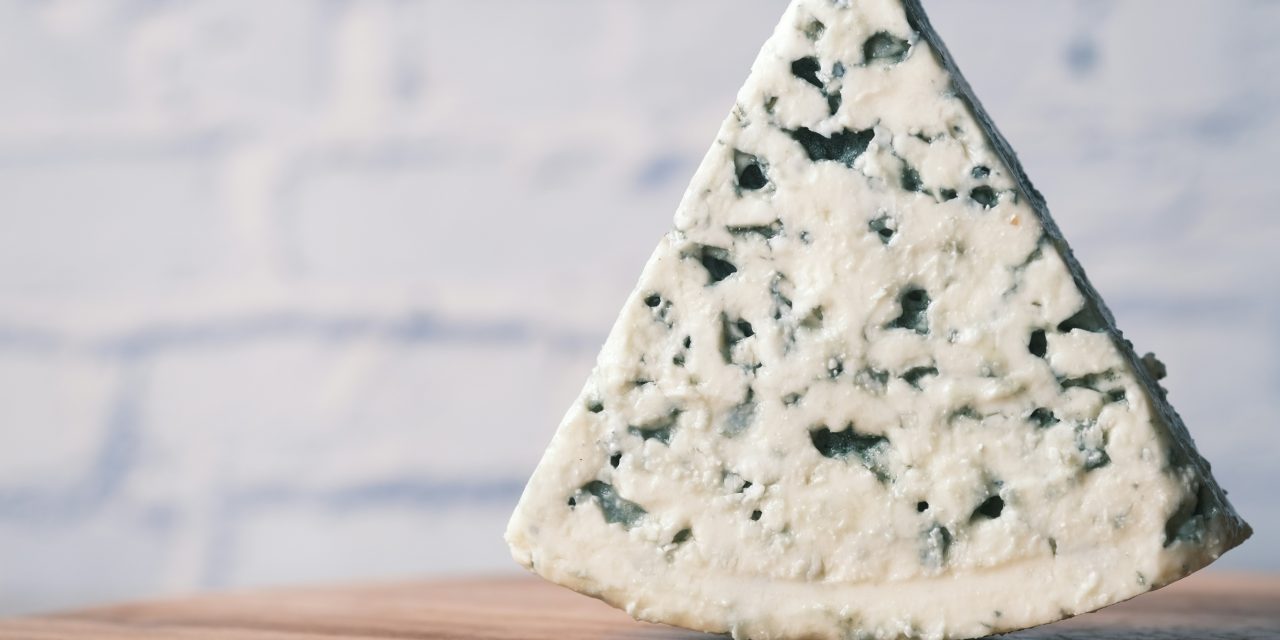
Not all molds are created equal; some are safe for consumption while others can pose health risks. Edible molds, such as those found in blue cheeses like Roquefort or Gorgonzola, are specifically cultivated for their flavor-enhancing properties. These molds contribute to the unique taste profiles of these cheeses and are generally safe to eat.
Conversely, harmful molds can produce mycotoxins that may lead to foodborne illnesses or allergic reactions. Common harmful molds include Aspergillus and Fusarium species, which can contaminate cheese if proper hygiene practices are not followed during production or storage. Distinguishing between edible and harmful molds is essential for ensuring food safety and preventing adverse health effects.
How to Identify Safe Mold on Cheese

Identifying safe mold on cheese requires a keen eye and some knowledge of cheese varieties. Safe molds typically appear white or blue-green and have a velvety texture. For instance, the white rind on Brie is a result of Penicillium candidum, while the blue veins in Gorgonzola indicate the presence of Penicillium roqueforti.
When examining cheese for safe mold, it is important to consider the type of cheese in question. If the mold appears consistent with the characteristics of the cheese variety and does not exhibit unusual colors or textures, it is likely safe to consume. However, if there are signs of black or fuzzy growths that deviate from the expected appearance, it is advisable to err on the side of caution.
When Is Mold on Cheese a Sign to Throw It Away?
While some molds are safe for consumption, there are instances when mold growth indicates that cheese should be discarded. If a cheese exhibits extensive mold coverage that is not characteristic of its type—such as black or green fuzzy patches—it is best to dispose of it. Additionally, if the cheese has an off-putting odor or shows signs of excessive moisture or slime, these are indicators that spoilage has occurred.
For soft cheeses, any visible mold growth should prompt immediate disposal due to their high moisture content and susceptibility to contamination. Hard cheeses may allow for some salvageability by cutting away affected areas; however, if the mold penetrates deeply or if there is uncertainty about its safety, it is prudent to discard the entire product.
Guidelines for Eating Mold-Ripened Cheeses Safely
Mold-ripened cheeses can be enjoyed safely by following specific guidelines. First and foremost, ensure that these cheeses are sourced from reputable producers who adhere to strict hygiene standards during production. Always check expiration dates and inspect packaging for any signs of damage or spoilage.
When consuming mold-ripened cheeses, it is advisable to serve them at room temperature to enhance flavor profiles. Pairing these cheeses with complementary foods such as fruits, nuts, or crusty bread can elevate the tasting experience while minimizing potential health risks associated with improper handling.
How to Properly Cut Mold Off Hard Cheeses
Cutting mold off hard cheeses requires careful technique to ensure safety while salvaging edible portions. Begin by using a clean knife to slice away at least one inch around the visible mold area. This distance helps ensure that any potential mycotoxins present in the mold do not contaminate the remaining cheese.
After cutting away the affected portion, wrap the remaining cheese tightly in wax paper or plastic wrap to minimize exposure to air and moisture. Store it in a cool environment, ideally in a dedicated cheese drawer or container within the refrigerator. Regularly inspect the cheese for any new signs of mold growth and consume it within a reasonable timeframe.
Why You Should Avoid Mold on Soft Cheeses
Soft cheeses present a higher risk when it comes to mold contamination due to their high moisture content and porous structure. Unlike hard cheeses, which can be salvaged by cutting away affected areas, soft cheeses should be discarded entirely if any visible mold is present. This is because harmful bacteria can easily penetrate soft cheeses, making them unsafe for consumption.
Additionally, soft cheeses often lack protective rinds that could inhibit mold growth, further increasing their susceptibility to spoilage. Therefore, it is crucial for consumers to exercise caution when dealing with soft cheeses and prioritize food safety by avoiding any products exhibiting signs of mold.
Health Risks Associated with Eating Moldy Cheese
Consuming moldy cheese can lead to various health risks depending on the type of mold present. Harmful molds can produce mycotoxins that may cause gastrointestinal distress, allergic reactions, or respiratory issues in sensitive individuals. Symptoms may include nausea, vomiting, diarrhea, or skin rashes.
Individuals with compromised immune systems or underlying health conditions should be particularly cautious when consuming any moldy products. In severe cases, exposure to certain mycotoxins can lead to more serious health complications such as liver damage or neurological disorders. Therefore, understanding the risks associated with moldy cheese is essential for maintaining overall health.
Tips for Storing Cheese to Prevent Mold Growth
Proper storage techniques play a vital role in preventing unwanted mold growth on cheese products. First and foremost, always store cheese in a cool environment—ideally between 34°F and 38°F (1°C – 3°C)—to inhibit microbial activity. Wrapping cheese in wax paper or specialized cheese paper allows it to breathe while preventing excess moisture accumulation.
Additionally, avoid storing different types of cheese together as they can transfer flavors and odors that may encourage spoilage. Regularly check stored cheese for any signs of mold growth or spoilage and consume products within their recommended timeframes for optimal freshness.
Summary: Making Safe Choices When Encountering Mold on Cheese
In conclusion, understanding the complexities surrounding mold on cheese is essential for making informed decisions about consumption. While some molds enhance flavor profiles in certain varieties, others pose significant health risks that necessitate caution. By recognizing safe versus harmful molds, adhering to proper storage guidelines, and knowing when to discard affected products, consumers can enjoy cheese safely while minimizing potential health hazards associated with mold contamination.
In summary:
– Mold is a fungus that thrives on cheese under specific conditions.
– Certain cheeses are more prone to mold growth than others.
– Distinguishing between edible and harmful molds is crucial.
– Soft cheeses should be discarded if any visible mold is present.
– Proper storage techniques can prevent unwanted mold growth.
– Awareness of health risks associated with consuming moldy cheese is essential for safety.
By following these guidelines and maintaining vigilance regarding cheese quality, consumers can enjoy their favorite dairy products without compromising their health.
FAQs
Can you eat cheese that has mold on it?
It depends on the type of cheese. Hard cheeses, such as cheddar or Parmesan, can be safely consumed after cutting away the moldy part, as the mold typically does not penetrate deeply. However, soft cheeses, like cream cheese or ricotta, should be discarded if mold is present, as the mold can spread throughout the cheese.
What types of mold are safe to eat on cheese?
Some molds are intentionally added to cheese during the production process, such as Penicillium roqueforti in blue cheeses and Penicillium camemberti in Camembert and Brie. These molds are safe to eat and contribute to the flavor and texture of the cheese.
How can you tell if cheese is spoiled or just moldy?
In addition to visible mold, spoiled cheese may have an off smell, a slimy texture, or an unusual color. If the cheese has a sour or rancid odor, or if it has developed a significant amount of liquid, it is best to discard it, regardless of the presence of mold.
Is it safe to eat cheese with white mold?
White mold on cheese, such as that found on Brie or Camembert, is generally safe to eat. This type of mold is part of the cheese’s natural aging process and is intended to be consumed. However, if the cheese shows signs of spoilage, it should not be eaten.
What should you do if you accidentally eat moldy cheese?
If you accidentally consume moldy cheese, there is usually no need for concern, especially if it is a hard cheese. However, if you experience any adverse reactions, such as gastrointestinal discomfort or allergic symptoms, it is advisable to consult a healthcare professional.