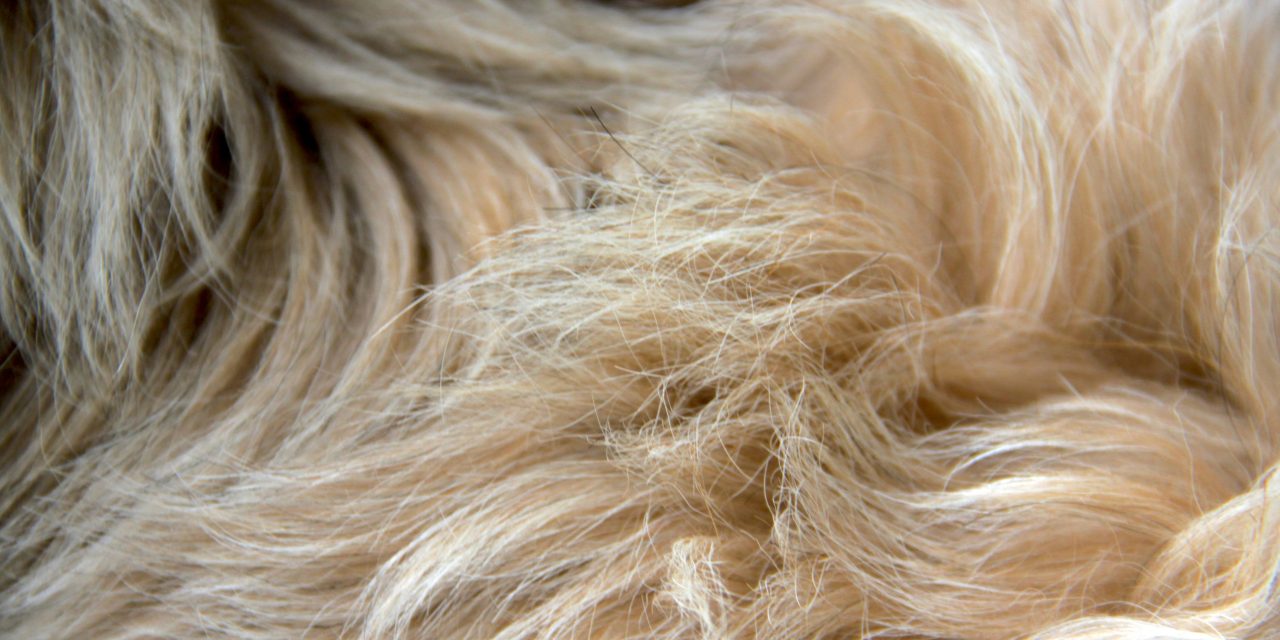
Greasy fur in dogs is a condition characterized by an excessive accumulation of sebum, the natural oil produced by sebaceous glands in the skin. This phenomenon can lead to a variety of issues, including unpleasant odors, skin irritation, and a lackluster appearance. While some degree of oiliness is normal for canine coats, an abnormal increase can indicate underlying health problems. Understanding the nuances of this condition is crucial for pet owners who wish to maintain their dog’s overall health and well-being.
The presence of greasy fur can be distressing for both the dog and its owner. It often manifests as a slick, shiny coat that may feel sticky to the touch. In severe cases, it can lead to matting and clumping of fur, which can exacerbate skin issues and discomfort. Identifying the root cause of greasy fur is essential for effective treatment and prevention, as it can stem from a variety of factors ranging from dietary deficiencies to hormonal imbalances.
Common Causes of Greasy Fur in Dogs
Several factors can contribute to the development of greasy fur in dogs. One of the most prevalent causes is poor grooming habits. Regular brushing and bathing are essential for maintaining a healthy coat, as they help remove excess oil, dirt, and dead hair. Dogs that are not groomed frequently may develop an oily coat due to the accumulation of sebum and debris.
Another common cause is skin infections, which can disrupt the normal functioning of sebaceous glands. Bacterial or fungal infections can lead to inflammation and increased oil production, resulting in greasy fur. Additionally, certain breeds are more predisposed to oily coats due to their genetic makeup. Breeds such as Basset Hounds and Cocker Spaniels are known for their naturally oily skin, making them more susceptible to this condition.
The Role of Sebaceous Glands in Fur Greasiness

Sebaceous glands play a pivotal role in maintaining the health of a dog’s coat. These glands secrete sebum, which serves as a natural moisturizer for the skin and fur. Sebum helps to protect against environmental factors, such as moisture loss and bacterial invasion. However, when these glands become overactive or dysfunctional, they can produce excessive amounts of oil, leading to greasy fur.
The regulation of sebaceous gland activity is influenced by various factors, including hormonal levels and overall skin health. When hormonal imbalances occur, such as those seen in conditions like hypothyroidism or Cushing’s disease, sebaceous glands may become hyperactive. This overproduction of sebum can result in an oily coat that requires intervention to restore balance.
Dietary Factors Contributing to Oily Coat

Diet plays a significant role in the health of a dog’s coat. A balanced diet rich in essential fatty acids is crucial for maintaining optimal skin condition. Omega-3 and Omega-6 fatty acids are particularly important for promoting healthy fur and reducing oiliness. Dogs that are fed low-quality commercial diets lacking these nutrients may develop greasy fur as a result of nutritional deficiencies.
In addition to fatty acids, other dietary components can influence coat health. For instance, excessive protein intake can lead to increased oil production in some dogs. Conversely, inadequate hydration can also contribute to dry skin and compensatory overproduction of sebum. Therefore, ensuring that your dog receives a well-rounded diet tailored to its specific needs is vital for preventing greasy fur.
Skin Infections and Their Impact on Fur Condition
Skin infections are a significant contributor to greasy fur in dogs. Bacterial infections, such as pyoderma, can cause inflammation and irritation, leading to increased oil production as the body attempts to protect itself. Fungal infections like yeast dermatitis can also disrupt the normal balance of skin flora, resulting in an oily coat accompanied by itching and discomfort.
These infections often require veterinary intervention for proper diagnosis and treatment. Antimicrobial therapies may be necessary to eliminate the underlying infection and restore normal skin function. Additionally, topical treatments such as medicated shampoos can help alleviate symptoms and promote healing while addressing the greasy fur issue.
Allergies and Their Connection to Greasy Fur
Allergies are another common cause of greasy fur in dogs. Allergic reactions can stem from various sources, including environmental allergens like pollen or dust mites, as well as food allergies. When a dog experiences an allergic reaction, it may exhibit symptoms such as itching, redness, and inflammation, which can lead to increased oil production.
In response to allergens, the body may produce more sebum as a protective mechanism. This overproduction can result in greasy fur that requires careful management. Identifying the specific allergen through allergy testing or elimination diets is essential for effective treatment. Once the allergen is identified, appropriate measures can be taken to minimize exposure and alleviate symptoms.
Hormonal Imbalances Leading to Excess Oil Production
Hormonal imbalances are a significant factor contributing to greasy fur in dogs. Conditions such as hypothyroidism or Cushing’s disease can disrupt the normal functioning of sebaceous glands, leading to excessive oil production. Hypothyroidism occurs when the thyroid gland fails to produce sufficient hormones, resulting in various skin issues, including oily fur.
Cushing’s disease, characterized by an overproduction of cortisol, can also lead to changes in skin texture and oiliness. Both conditions require veterinary diagnosis and management through hormone replacement therapy or medications aimed at regulating hormone levels. Addressing these underlying hormonal issues is crucial for restoring a healthy coat.
Environmental Influences on Dog’s Fur Health
Environmental factors play a significant role in determining the health of a dog’s coat. Exposure to harsh weather conditions, such as extreme heat or cold, can impact skin health and contribute to greasy fur. Additionally, living in areas with high humidity levels may exacerbate oiliness due to increased moisture retention on the skin.
Furthermore, exposure to irritants such as chemicals or pollutants can disrupt the natural balance of oils on the skin’s surface. Regular bathing with appropriate shampoos designed for dogs can help mitigate these effects by removing excess oil and debris while maintaining skin hydration.
Diagnosing the Underlying Cause of Greasy Fur
Diagnosing the underlying cause of greasy fur requires a comprehensive approach involving veterinary consultation and diagnostic testing. A thorough physical examination will help identify any visible signs of infection or inflammation on the skin’s surface. Additionally, veterinarians may recommend skin scrapings or cultures to determine if an infection is present.
Blood tests may also be necessary to assess hormone levels and rule out endocrine disorders such as hypothyroidism or Cushing’s disease. Once a definitive diagnosis is established, targeted treatment options can be implemented to address the specific cause of greasy fur effectively.
Effective Treatments and Home Remedies for Greasy Fur
Treatment options for greasy fur vary depending on the underlying cause identified during diagnosis. For cases related to poor grooming habits or environmental factors, regular bathing with specialized shampoos designed for oily coats can help remove excess sebum and restore balance.
In cases involving infections or allergies, veterinary-prescribed medications such as antibiotics or antihistamines may be necessary for effective management. Topical treatments like medicated shampoos containing ingredients such as chlorhexidine or benzoyl peroxide can also aid in reducing oiliness while addressing any underlying skin issues.
Home remedies may include using natural oils like coconut oil or olive oil sparingly on dry areas of the coat to promote hydration without exacerbating greasiness. However, it is essential to consult with a veterinarian before implementing any home remedies to ensure they are safe and appropriate for your dog’s specific condition.
Preventative Measures to Maintain a Healthy, Non-Greasy Coat
Preventing greasy fur involves proactive measures aimed at maintaining overall coat health. Regular grooming is paramount; brushing your dog at least once a week helps remove loose hair and debris while distributing natural oils evenly across the coat.
A balanced diet rich in essential fatty acids should be prioritized to support healthy skin and fur. Ensuring your dog stays hydrated is equally important; fresh water should always be available to prevent dehydration-related skin issues.
Routine veterinary check-ups are essential for monitoring your dog’s overall health and identifying any potential hormonal imbalances or skin conditions early on. By implementing these preventative measures consistently, pet owners can significantly reduce the risk of developing greasy fur while promoting optimal coat health.
In summary, greasy fur in dogs is a multifaceted issue that requires careful consideration of various contributing factors ranging from grooming habits to dietary influences and underlying health conditions. By understanding these elements and taking proactive steps toward prevention and treatment, pet owners can ensure their furry companions maintain healthy coats free from excessive greasiness.
FAQs
What are the common causes of greasy fur in dogs?
Greasy fur in dogs can be caused by a variety of factors, including skin infections, allergies, hormonal imbalances, poor diet, and underlying health conditions such as seborrhea. Environmental factors like humidity and exposure to certain chemicals can also contribute to the condition.
How can I tell if my dog has greasy fur?
Signs of greasy fur in dogs include a shiny or oily appearance to the coat, an unpleasant odor, and a sticky or clumpy texture. Additionally, you may notice excessive scratching or licking, which can indicate underlying skin issues.
What treatments are available for greasy fur in dogs?
Treatment for greasy fur typically involves addressing the underlying cause. This may include medicated shampoos, dietary changes, or medications prescribed by a veterinarian. Regular grooming and bathing can also help manage the condition and improve the coat’s appearance.
Can diet affect the condition of my dog’s fur?
Yes, diet plays a significant role in the health of your dog’s fur. A balanced diet rich in essential fatty acids, vitamins, and minerals can promote a healthy coat. Conversely, a poor diet lacking in these nutrients can lead to skin and coat issues, including greasiness.
When should I consult a veterinarian about my dog’s greasy fur?
If your dog’s greasy fur is accompanied by other symptoms such as redness, inflammation, excessive itching, or if it persists despite regular grooming, it is advisable to consult a veterinarian. They can help diagnose any underlying health issues and recommend appropriate treatment options.