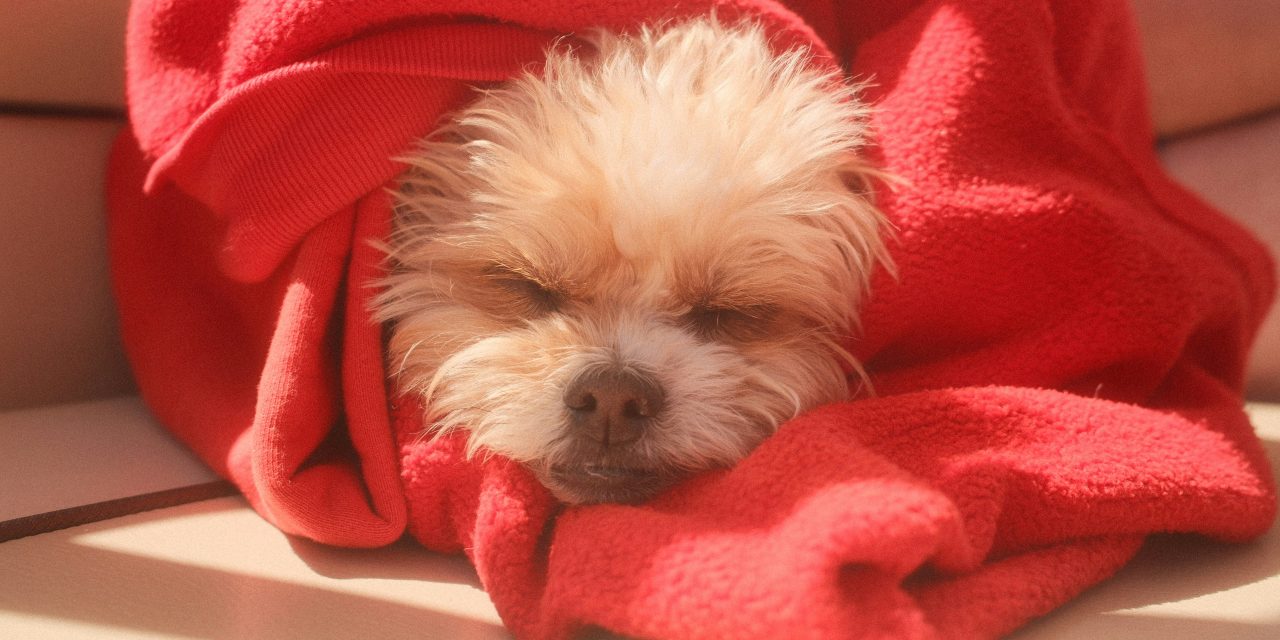
Pet hair is notorious for its ability to cling stubbornly to various surfaces, particularly blankets and bedding. This phenomenon can be attributed to several factors, including the physical properties of pet hair itself and the materials commonly used in household textiles. Pet hair is often composed of fine, lightweight fibers that can easily become entangled in the weave of fabrics. Additionally, the static electricity generated by friction between the hair and fabric can cause the hair to cling even more tenaciously.
Moreover, the texture of bedding materials plays a significant role in hair retention. Fabrics such as fleece, wool, and certain synthetic blends tend to have a higher propensity for trapping pet hair due to their looped or textured surfaces. This creates an ideal environment for hair to latch onto, making it challenging to remove without proper techniques. Understanding these dynamics is crucial for pet owners seeking effective solutions for maintaining clean and hair-free bedding.
Preparing Your Bedding for Hair Removal
Before embarking on the task of removing pet hair from blankets and bedding, it is essential to prepare the items properly. Start by shaking out the bedding outdoors or in a well-ventilated area. This initial step helps dislodge loose hair and debris, making subsequent cleaning efforts more effective. Additionally, consider using a lint brush or a handheld vacuum cleaner to remove visible hair before washing.
Once the bedding has been shaken out, inspect it for any stubborn clumps of hair that may require extra attention. For items that are particularly hairy, such as comforters or quilts, pre-treating with a specialized pet hair removal spray can enhance the effectiveness of your cleaning routine. This preparation phase sets the stage for a more thorough and efficient removal process.
Using a Lint Roller Effectively on Blankets

A lint roller is an invaluable tool for pet owners dealing with hair-covered blankets and bedding. To maximize its effectiveness, begin by rolling the lint roller over the fabric in a consistent direction. This technique allows the adhesive sheets to capture hair more efficiently. For larger blankets, it may be beneficial to divide the surface into sections, ensuring that every area receives adequate attention.
When using a lint roller, be mindful of the type of fabric you are working with. Delicate materials may require a gentler touch to avoid damage. Additionally, keep an eye on the adhesive sheets; replace them as needed to maintain optimal performance. By incorporating this simple yet effective tool into your cleaning routine, you can significantly reduce the amount of pet hair clinging to your bedding.
Employing Rubber Gloves to Gather Pet Hair

Rubber gloves are an often-overlooked solution for gathering pet hair from blankets and bedding. The unique texture of rubber creates friction that attracts hair, making it easier to collect. To use this method effectively, simply don a pair of rubber gloves and run your hands over the fabric in a sweeping motion. The static electricity generated will help lift the hair from the fibers.
For best results, dampen the gloves slightly before use. This added moisture enhances the attraction between the gloves and pet hair, allowing for more efficient removal. Once you have gathered a significant amount of hair, rinse the gloves under running water to remove the collected debris. This method is not only effective but also environmentally friendly, as it eliminates the need for disposable lint rollers.
How to Use a Vacuum Cleaner for Deep Hair Removal
Vacuuming is one of the most effective methods for deep cleaning blankets and bedding from pet hair. To optimize this process, ensure that your vacuum cleaner is equipped with a pet hair attachment or brush specifically designed for removing fur from fabrics. Begin by thoroughly vacuuming all surfaces of the bedding, paying special attention to seams and crevices where hair tends to accumulate.
For larger items like comforters or duvet covers, consider using a handheld vacuum or an upholstery attachment for better maneuverability. Additionally, vacuuming in multiple directions can help dislodge trapped hair more effectively. Regular vacuuming not only removes existing hair but also prevents future buildup, contributing to a cleaner sleeping environment.
Washing Techniques to Eliminate Pet Hair from Bedding
Washing bedding is an essential step in maintaining cleanliness and hygiene in a pet-friendly home. To effectively eliminate pet hair during washing, start by adding a cup of white vinegar to the rinse cycle. Vinegar acts as a natural fabric softener and helps loosen pet hair from fibers, making it easier to wash away.
Before placing bedding in the washing machine, shake it out thoroughly to remove any loose hair. Additionally, consider using a laundry bag designed for pet hair removal; these bags trap loose fur during washing and prevent it from redepositing on other items in the load. After washing, dry your bedding on a low heat setting with dryer balls or clean tennis balls to further dislodge any remaining hair.
The Role of Fabric Softener in Preventing Hair Cling
Fabric softeners play a crucial role in preventing pet hair from clinging to blankets and bedding. These products work by coating fabric fibers with a thin layer of lubricant, reducing friction and static electricity that can cause hair to adhere tightly. When selecting a fabric softener, opt for one specifically formulated for pet owners or those labeled as anti-static.
To maximize effectiveness, add fabric softener during the rinse cycle of your washing machine. This ensures that the softening agents are evenly distributed throughout the fabric. Regular use of fabric softener not only helps prevent future hair cling but also enhances the overall softness and comfort of your bedding.
Using Dryer Sheets to Remove and Prevent Pet Hair
Dryer sheets are another effective tool for combating pet hair on blankets and bedding. These sheets contain anti-static agents that help reduce clinginess while also attracting loose fur during drying cycles. To utilize dryer sheets effectively, toss one or two into the dryer along with your freshly washed bedding.
As the dryer tumbles, the sheets will help lift and trap pet hair, preventing it from redepositing on your clean linens. For added effectiveness, consider using dryer sheets specifically designed for pet owners or those with enhanced anti-static properties. Incorporating dryer sheets into your laundry routine can significantly reduce pet hair accumulation on bedding.
Homemade Solutions for Tackling Stubborn Pet Hair
For those seeking natural alternatives to commercial products, several homemade solutions can effectively tackle stubborn pet hair on blankets and bedding. One popular method involves creating a mixture of water and fabric softener in a spray bottle. Lightly mist this solution onto the fabric before using a lint roller or vacuum cleaner; this helps loosen trapped hair and makes removal easier.
Another effective homemade remedy is using a mixture of equal parts water and white vinegar in a spray bottle. Spraying this solution onto bedding before washing can help break down static cling and release trapped fur during laundering. These DIY solutions are not only cost-effective but also environmentally friendly options for maintaining clean bedding in homes with pets.
Regular Maintenance Tips to Keep Bedding Hair-Free
Maintaining clean and hair-free bedding requires consistent effort and proactive measures. Establishing a regular cleaning schedule is essential; aim to wash blankets and bedding at least once every two weeks or more frequently if shedding is significant during certain seasons. Additionally, consider designating specific areas for pets to sleep or lounge on blankets to minimize overall hair accumulation.
Incorporating grooming routines into your pet care regimen can also significantly reduce shedding at its source. Regular brushing helps remove loose fur before it has a chance to settle into your bedding. Furthermore, investing in high-quality vacuum cleaners designed specifically for pet owners can streamline your cleaning process and enhance overall effectiveness.
Choosing Pet-Friendly Bedding Materials to Minimize Hair Retention
Selecting appropriate bedding materials can greatly influence how much pet hair clings to your linens. Opt for fabrics that are less prone to trapping fur, such as tightly woven cotton or microfiber blends. These materials tend to have smoother surfaces that discourage hair from embedding deeply within fibers.
Avoid fabrics like fleece or wool that are known for their tendency to attract and hold onto pet hair. Additionally, consider investing in removable and washable duvet covers or pillowcases that can be easily cleaned without compromising comfort or style. By making informed choices about bedding materials, you can create a more harmonious living environment that minimizes pet hair issues.
In summary, managing pet hair on blankets and bedding requires understanding its clinginess due to fabric properties and static electricity. Preparing bedding properly before cleaning, utilizing tools like lint rollers and rubber gloves, vacuuming effectively, washing with vinegar or fabric softeners, and employing dryer sheets are all essential strategies for maintaining cleanliness. Homemade solutions offer eco-friendly alternatives while regular maintenance ensures long-term success in keeping bedding free from pet fur. Finally, selecting appropriate materials can further minimize future challenges associated with pet hair retention in your home environment.
FAQs
What are some effective tools for removing pet hair from blankets?
Effective tools for removing pet hair from blankets include lint rollers, rubber gloves, and pet hair removal brushes. Lint rollers are convenient for quick clean-ups, while rubber gloves can attract hair when rubbed against the fabric. Pet hair removal brushes are specifically designed to lift hair from various surfaces.
Can I use a washing machine to remove pet hair from bedding?
Yes, you can use a washing machine to help remove pet hair from bedding. Before washing, it’s advisable to shake out the bedding outdoors to remove loose hair. Adding a cup of white vinegar to the wash cycle can also help loosen pet hair from the fabric.
Is it safe to use a vacuum cleaner on blankets and bedding?
Yes, using a vacuum cleaner on blankets and bedding is generally safe, but it’s important to use the appropriate attachment, such as a brush or upholstery tool, to avoid damaging the fabric. Regular vacuuming can effectively remove pet hair and dander.
What laundry tips can help reduce pet hair on blankets?
To reduce pet hair on blankets during laundry, consider washing them with dryer balls or clean tennis balls in the dryer. These help to agitate the fabric and loosen hair. Additionally, washing blankets separately from other items can prevent hair from transferring to other fabrics.
Are there any preventative measures to minimize pet hair on bedding?
Yes, preventative measures include regularly grooming your pets to reduce shedding, using pet-specific blankets or throws on furniture, and keeping pets off beds and blankets when possible. Regular cleaning routines can also help manage pet hair accumulation.