Cooked salmon is a delectable and nutritious seafood option that is enjoyed worldwide. However, understanding its shelf life is crucial for ensuring food safety and maintaining optimal flavor. The shelf life of cooked salmon can vary significantly based on several factors, including storage conditions, preparation methods, and the initial quality of the fish. Generally, cooked salmon can be safely consumed within a specific timeframe when stored correctly, but it is essential to recognize the signs of spoilage to avoid foodborne illnesses.
The USDA recommends that cooked salmon be consumed within three to four days when stored in the refrigerator at temperatures below 40°F (4°C). Beyond this period, the risk of bacterial growth increases, leading to potential health hazards. It is important to note that while cooked salmon may still appear visually appealing after a few days, microbial activity can compromise its safety. Therefore, understanding the nuances of cooked salmon’s shelf life is vital for both culinary enjoyment and health considerations.
Factors Affecting Salmon Freshness in the Fridge
Several factors influence the freshness of cooked salmon when stored in the refrigerator. One primary factor is the initial quality of the fish before cooking. Freshly caught or high-quality salmon fillets tend to have a longer shelf life compared to those that have been previously frozen or are of lower quality. The freshness at the time of cooking plays a significant role in determining how long the cooked product will remain safe for consumption.
Another critical factor is the cooking method employed. Salmon that has been grilled or baked tends to retain its freshness longer than those that have been poached or steamed, as higher cooking temperatures can kill more bacteria. Additionally, how the salmon is handled post-cooking—such as whether it was allowed to cool down properly before refrigeration—can also impact its longevity. Proper cooling techniques are essential to minimize bacterial growth and ensure that the fish remains safe for consumption.
Recommended Storage Time for Cooked Salmon

The recommended storage time for cooked salmon is typically three to four days when kept in a refrigerator set at or below 40°F (4°C). This timeframe is based on food safety guidelines established by health authorities, which emphasize the importance of consuming perishable foods within a specific period to prevent foodborne illnesses. It is crucial to adhere to these recommendations to ensure that the salmon remains safe and palatable.
For those who wish to extend the shelf life of cooked salmon beyond this timeframe, freezing is an effective option. When properly wrapped and stored in an airtight container or vacuum-sealed bag, cooked salmon can last for up to six months in the freezer without significant loss of quality. However, it is essential to label the packaging with the date of freezing to keep track of its storage duration effectively.
Proper Refrigeration Techniques for Cooked Salmon

To maximize the shelf life of cooked salmon, proper refrigeration techniques must be employed. First and foremost, it is essential to allow the salmon to cool down to room temperature before placing it in the refrigerator. This step helps prevent condensation from forming inside the storage container, which can promote bacterial growth. Once cooled, the salmon should be placed in an airtight container or tightly wrapped in plastic wrap or aluminum foil to minimize exposure to air.
Additionally, it is advisable to store cooked salmon on a shelf within the refrigerator rather than in the door, as temperatures can fluctuate more frequently in door compartments. Keeping the refrigerator at a consistent temperature below 40°F (4°C) is crucial for preserving food safety. Regularly checking and maintaining the refrigerator’s temperature can help ensure that all stored items, including cooked salmon, remain safe for consumption.
Signs That Cooked Salmon Has Gone Bad
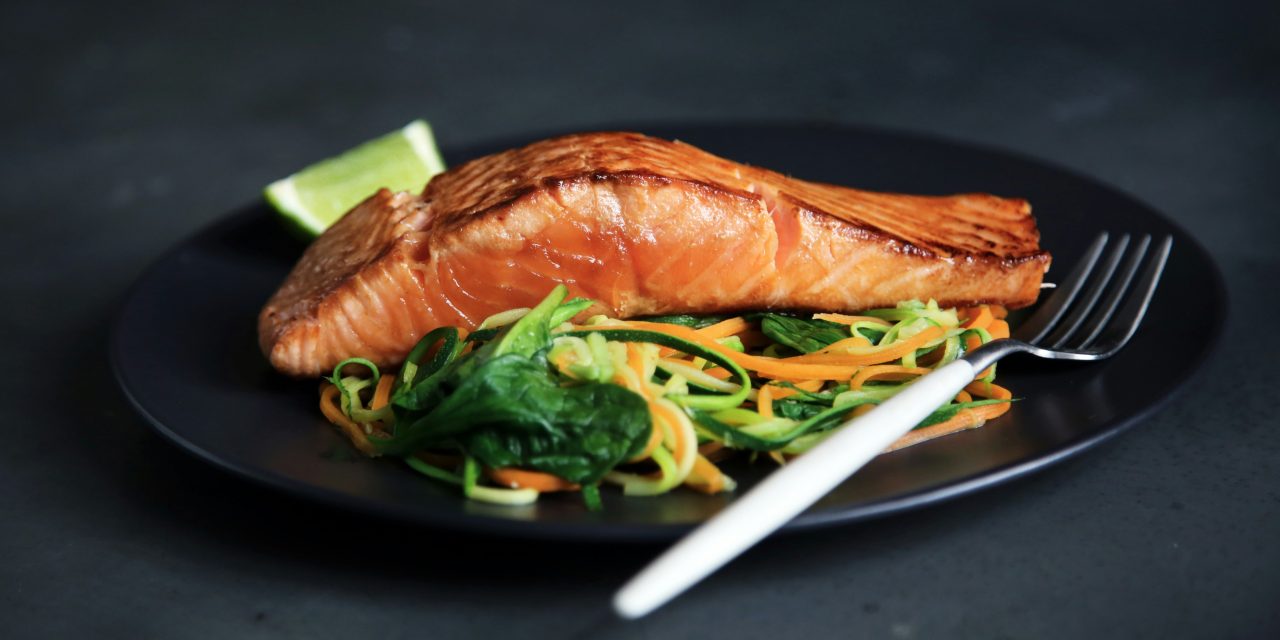
Identifying signs that cooked salmon has gone bad is essential for preventing foodborne illnesses. One of the most apparent indicators is a change in color; fresh cooked salmon typically has a vibrant pink or orange hue, while spoiled salmon may appear dull or grayish. Additionally, an off-putting odor is often a telltale sign of spoilage; fresh salmon should have a mild oceanic scent, whereas spoiled fish may emit a strong, unpleasant smell.
Texture changes can also indicate that cooked salmon has gone bad. Freshly cooked salmon should be moist and flaky; however, if it becomes slimy or excessively dry, it may no longer be safe to eat. If any of these signs are present, it is best to err on the side of caution and discard the fish rather than risk potential health issues.
How to Store Cooked Salmon Safely
Storing cooked salmon safely involves several key practices that help maintain its quality and prevent spoilage. First, ensure that any leftover salmon is promptly refrigerated within two hours of cooking to minimize bacterial growth. If left at room temperature for too long, harmful bacteria can proliferate rapidly.
When storing cooked salmon, use airtight containers or vacuum-sealed bags to limit exposure to air and moisture. This practice not only helps preserve flavor but also prevents freezer burn if you choose to freeze leftovers. Labeling containers with dates can assist in tracking how long the salmon has been stored, ensuring that it is consumed within the recommended timeframe.
The Role of Temperature in Salmon Preservation
Temperature plays a pivotal role in preserving cooked salmon and preventing spoilage. The USDA recommends keeping refrigerators at or below 40°F (4°C) to inhibit bacterial growth effectively. When temperatures rise above this threshold, particularly between 40°F (4°C) and 140°F (60°C), bacteria can multiply rapidly, increasing the risk of foodborne illnesses.
For long-term storage, freezing cooked salmon at 0°F (-18°C) or lower can significantly extend its shelf life while maintaining quality. It is essential to ensure that the freezer maintains a consistent temperature and that cooked salmon is stored in airtight packaging to prevent freezer burn and maintain flavor integrity.
Differences Between Fresh and Leftover Cooked Salmon
Understanding the differences between fresh and leftover cooked salmon is crucial for both culinary applications and food safety considerations. Fresh salmon boasts a delicate texture and rich flavor profile that can be enhanced through various cooking methods. In contrast, leftover cooked salmon may lose some of its moisture and tenderness over time due to refrigeration or freezing.
Nutritionally, both fresh and leftover cooked salmon provide essential omega-3 fatty acids, high-quality protein, and various vitamins and minerals. However, reheating leftover salmon requires careful attention to avoid overcooking, which can lead to dryness and loss of flavor. While fresh salmon may be ideal for grilling or baking, leftover salmon can be repurposed into salads, sandwiches, or pasta dishes for added convenience.
Using Cooked Salmon Beyond the Recommended Time
While it is generally advisable to consume cooked salmon within three to four days for optimal safety and quality, some individuals may wonder about using it beyond this timeframe. If properly stored and showing no signs of spoilage—such as off odors or unusual textures—cooked salmon may still be safe for consumption up to a week after cooking; however, this practice carries inherent risks.
It is crucial to exercise caution when considering using leftover cooked salmon beyond its recommended storage time. If there are any doubts about its safety or quality, it is best to discard it rather than risk potential foodborne illness. Always prioritize food safety over waste reduction when dealing with perishable items.
Tips for Reheating Cooked Salmon Safely
Reheating cooked salmon requires careful attention to ensure that it remains safe and palatable. One effective method is using an oven set at a low temperature (around 275°F or 135°C) to gently warm the fish without overcooking it. Covering the salmon with aluminum foil can help retain moisture during reheating.
Alternatively, reheating in a microwave can be convenient but requires caution; use medium power settings and heat in short intervals while checking frequently to avoid drying out the fish. Adding a splash of water or broth before microwaving can help maintain moisture levels. Regardless of the reheating method chosen, ensure that the internal temperature reaches at least 165°F (74°C) before consumption.
Preventing Foodborne Illness from Stored Cooked Salmon
Preventing foodborne illness from stored cooked salmon involves implementing several key practices throughout preparation, storage, and reheating processes. First and foremost, always wash hands thoroughly before handling food items and ensure that all utensils and surfaces are clean to minimize cross-contamination risks.
When storing cooked salmon, adhere strictly to recommended refrigeration guidelines by promptly refrigerating leftovers within two hours of cooking. Regularly check refrigerator temperatures and ensure proper sealing of containers to limit exposure to air and moisture. Lastly, always inspect leftovers for signs of spoilage before consumption; if there are any doubts about safety or quality, it is best to discard them.
In summary, understanding the shelf life of cooked salmon involves recognizing various factors affecting freshness, proper storage techniques, and identifying signs of spoilage. By adhering to recommended guidelines for refrigeration and reheating practices while prioritizing food safety measures, individuals can enjoy this nutritious seafood option without compromising their health.
FAQs
How long can cooked salmon be stored in the fridge?
Cooked salmon can typically be stored in the refrigerator for up to 3 to 4 days. It is important to keep it in an airtight container to maintain its freshness and prevent contamination.
What is the best way to store cooked salmon in the fridge?
The best way to store cooked salmon is to place it in an airtight container or wrap it tightly in aluminum foil or plastic wrap. This helps to keep moisture in and prevents the fish from absorbing odors from other foods in the fridge.
Can I freeze cooked salmon for longer storage?
Yes, you can freeze cooked salmon for longer storage. When properly wrapped in plastic wrap or aluminum foil and placed in a freezer-safe container, cooked salmon can last for up to 2 to 3 months in the freezer.
How can I tell if cooked salmon has gone bad?
Signs that cooked salmon has gone bad include a sour or off smell, a slimy texture, or discoloration. If you notice any of these signs, it is best to discard the salmon to avoid foodborne illness.
Is it safe to reheat cooked salmon after storing it in the fridge?
Yes, it is safe to reheat cooked salmon after storing it in the fridge. Make sure to heat it to an internal temperature of 145°F (63°C) to ensure it is safe to eat. Reheating can be done in the oven, microwave, or on the stovetop.