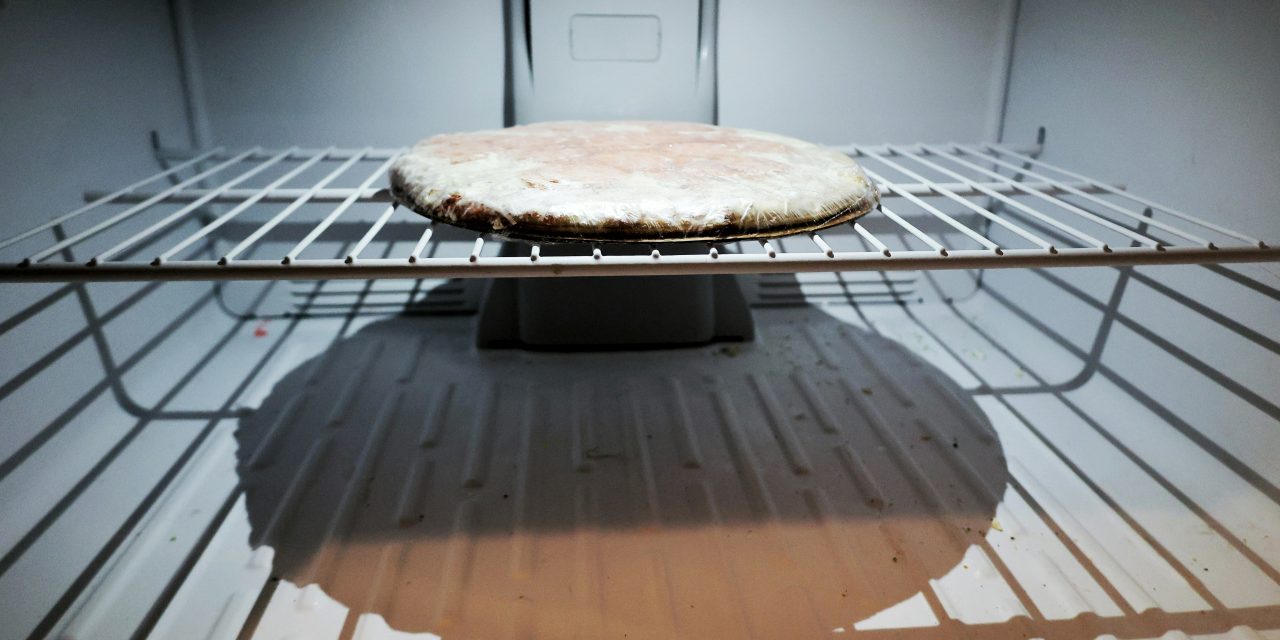
Freezer burn is a common phenomenon that affects food stored in freezers, resulting in undesirable changes in texture, flavor, and appearance. It occurs when moisture evaporates from the surface of food, leading to dehydration and oxidation. This process is primarily driven by sublimation, where ice crystals transition directly from solid to vapor without becoming liquid. The result is a dry, discolored surface that can significantly alter the quality of the food item.
The occurrence of freezer burn is not limited to any specific type of food; it can affect meats, vegetables, fruits, and even prepared meals. While freezer burn does not render food unsafe for consumption, it can compromise the sensory attributes that contribute to an enjoyable eating experience. Understanding the mechanisms behind freezer burn is essential for consumers who wish to maintain the quality of their frozen foods.
Common Causes of Freezer Burn on Food
Several factors contribute to the development of freezer burn, with improper packaging being one of the most significant. When food is not adequately sealed, air can infiltrate the packaging, leading to moisture loss. Additionally, fluctuations in freezer temperature can exacerbate the problem. For instance, if the freezer door is frequently opened or if the appliance is not functioning optimally, temperature variations can cause ice crystals to form and subsequently sublimate.
Another common cause is the length of time food is stored in the freezer. Over time, even well-packaged items can develop freezer burn due to prolonged exposure to cold air. Foods with high water content, such as fruits and vegetables, are particularly susceptible because they lose moisture more rapidly than drier items. Understanding these causes can help consumers take proactive measures to prevent freezer burn.
Identifying Freezer Burn: Signs and Symptoms

Recognizing freezer burn is crucial for determining whether food is still suitable for consumption. The most apparent signs include dry patches or white spots on the surface of the food, which indicate moisture loss. In meats, these areas may appear grayish or leathery, while vegetables may exhibit a shriveled appearance. Additionally, freezer-burned foods often develop an off-putting odor that can be described as stale or rancid.
Texture changes are also indicative of freezer burn. Foods may become tough or rubbery, particularly in the case of meats and seafood. Fruits and vegetables may lose their crispness and become mushy upon thawing. While these changes do not pose a health risk, they can significantly diminish the overall quality and palatability of the food item.
The Science Behind Freezer Burn and Food Safety

The science behind freezer burn involves complex interactions between temperature, moisture, and air exposure. When food is frozen, ice crystals form within its cellular structure. If the temperature fluctuates or if air penetrates the packaging, these ice crystals can sublimate, leading to moisture loss. This process not only affects the texture but also alters the chemical composition of the food, potentially leading to rancidity in fatty foods.
From a food safety perspective, freezer burn does not equate to spoilage or contamination. The United States Department of Agriculture (USDA) states that while freezer-burned food may be unappetizing, it remains safe to eat if properly handled and stored. However, it is essential to note that certain pathogens can survive freezing temperatures; thus, maintaining proper hygiene during food handling is critical.
Does Freezer Burn Make Food Unsafe to Eat?
One of the most common misconceptions surrounding freezer burn is that it renders food unsafe for consumption. In reality, freezer-burned food remains safe to eat as long as it has been stored correctly and has not been contaminated prior to freezing. The primary concern with freezer burn lies in its impact on quality rather than safety.
However, it is essential to assess the extent of freezer burn before deciding whether to consume affected items. If only a small portion of the food exhibits signs of freezer burn, it may be possible to trim away the affected areas and enjoy the remainder. Conversely, if an entire item appears severely compromised or has developed an off odor, it may be best to discard it.
Nutritional Impact of Freezer Burn on Food
The nutritional impact of freezer burn varies depending on the type of food affected. Generally speaking, while freezer burn may alter texture and flavor, it does not significantly diminish the nutritional value of most foods. For instance, vitamins and minerals remain intact despite changes in appearance or taste.
However, certain nutrients may be more susceptible to degradation during prolonged storage in a frozen state. For example, vitamin C in fruits and vegetables can diminish over time due to exposure to air and light. While freezer burn does not directly cause nutrient loss, it can indicate that food has been stored for an extended period, potentially leading to a decline in overall nutritional quality.
How to Safely Handle Freezer-Burned Food
When dealing with freezer-burned food, proper handling techniques are essential to ensure safety and minimize waste. First and foremost, inspect items carefully before thawing them. If any signs of spoilage or contamination are present—such as unusual odors or discoloration—discard the item immediately.
If you decide to consume freezer-burned food, thaw it safely in the refrigerator rather than at room temperature to prevent bacterial growth. Once thawed, assess the quality of the food before cooking or consuming it. Trimming away severely affected areas can help improve taste and texture while still allowing you to salvage portions that remain acceptable.
Best Practices for Preventing Freezer Burn
Preventing freezer burn requires a combination of proper storage techniques and vigilant monitoring of your freezer’s conditions. One effective strategy is to use airtight packaging materials designed for freezing purposes. Vacuum-sealed bags are particularly effective at minimizing air exposure and preventing moisture loss.
Additionally, maintaining a consistent temperature in your freezer is crucial for preventing freezer burn. Ideally, your freezer should be set at 0°F (-18°C) or lower. Regularly check your appliance’s temperature settings and avoid overloading it with items that could obstruct airflow. Lastly, label items with dates to ensure you consume them within a reasonable timeframe.
Tips for Proper Food Storage and Packaging
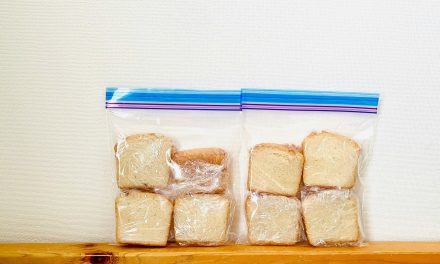
Effective food storage and packaging are vital components in preventing freezer burn and maintaining food quality over time. When packaging items for freezing, consider using heavy-duty aluminum foil or plastic wrap in conjunction with airtight containers or vacuum-sealed bags. This layered approach provides an additional barrier against air exposure.
For bulk items such as meats or vegetables, portioning them into smaller servings before freezing can help minimize waste and reduce the likelihood of freezer burn. Additionally, removing as much air as possible from packaging before sealing will further protect against moisture loss. Always label packages with contents and dates for easy identification during future use.
When to Discard Freezer-Burned Food
Determining when to discard freezer-burned food involves assessing both visual cues and sensory characteristics. If only minor signs of freezer burn are present—such as small dry patches—it may be possible to salvage the item by trimming away affected areas before cooking or consuming.
Conversely, if an item exhibits extensive freezer burn with significant discoloration or an off-putting odor, it is advisable to err on the side of caution and discard it entirely. Foods that have been stored for extended periods—typically beyond six months—should also be evaluated carefully for quality before consumption.
Making Informed Decisions About Eating Freezer-Burned Food
In conclusion, understanding freezer burn is essential for anyone who utilizes their freezer for food storage. While this phenomenon can compromise quality through dehydration and oxidation processes, it does not inherently render food unsafe for consumption. By recognizing common causes and signs of freezer burn, individuals can make informed decisions about how to handle affected items.
Implementing best practices for prevention—such as proper packaging techniques and maintaining consistent temperatures—can significantly reduce the likelihood of encountering freezer burn in the first place. Ultimately, being proactive about food storage will enhance both safety and enjoyment when it comes time to prepare meals from your frozen inventory.
FAQs
What is freezer burn?
Freezer burn occurs when food is improperly stored in the freezer, leading to dehydration and oxidation. This typically happens when air comes into contact with the food, causing ice crystals to form on its surface and resulting in dry, discolored patches.
Is freezer-burned food safe to eat?
Yes, freezer-burned food is generally safe to eat. While it may not taste as good due to changes in texture and flavor, it does not pose a health risk. The quality may be compromised, but it is not harmful.
How can I prevent freezer burn?
To prevent freezer burn, ensure that food is properly wrapped in airtight packaging, such as vacuum-sealed bags or heavy-duty aluminum foil. Removing as much air as possible from the packaging and keeping the freezer at a consistent temperature can also help minimize the risk.
Can I salvage freezer-burned food?
Yes, you can salvage freezer-burned food by trimming away the affected areas before cooking or consuming it. Cooking the food can also help improve its flavor and texture, making it more palatable.
How long can food last in the freezer before it gets freezer burn?
The duration food can last in the freezer before developing freezer burn varies by type. Generally, most foods can be stored for 3 to 12 months without significant quality loss, but proper packaging is crucial to prevent freezer burn during that time.