Dog dandruff, clinically referred to as seborrhea, is a common dermatological condition characterized by the presence of dry, flaky skin on a canine’s coat. This condition can manifest as white or yellowish flakes that are often visible on the fur or skin. Dandruff occurs when the skin’s natural shedding process becomes disrupted, leading to an accumulation of dead skin cells. While it may seem like a benign issue, dandruff can indicate underlying health problems, including allergies, infections, or hormonal imbalances.
The etiology of dog dandruff is multifactorial. Factors such as environmental conditions, nutritional deficiencies, and improper grooming practices can contribute to the development of this condition. Additionally, certain breeds are predisposed to seborrhea due to genetic factors. Understanding the underlying causes is crucial for effective management and treatment.
The Role of Bathing in Canine Skin Health
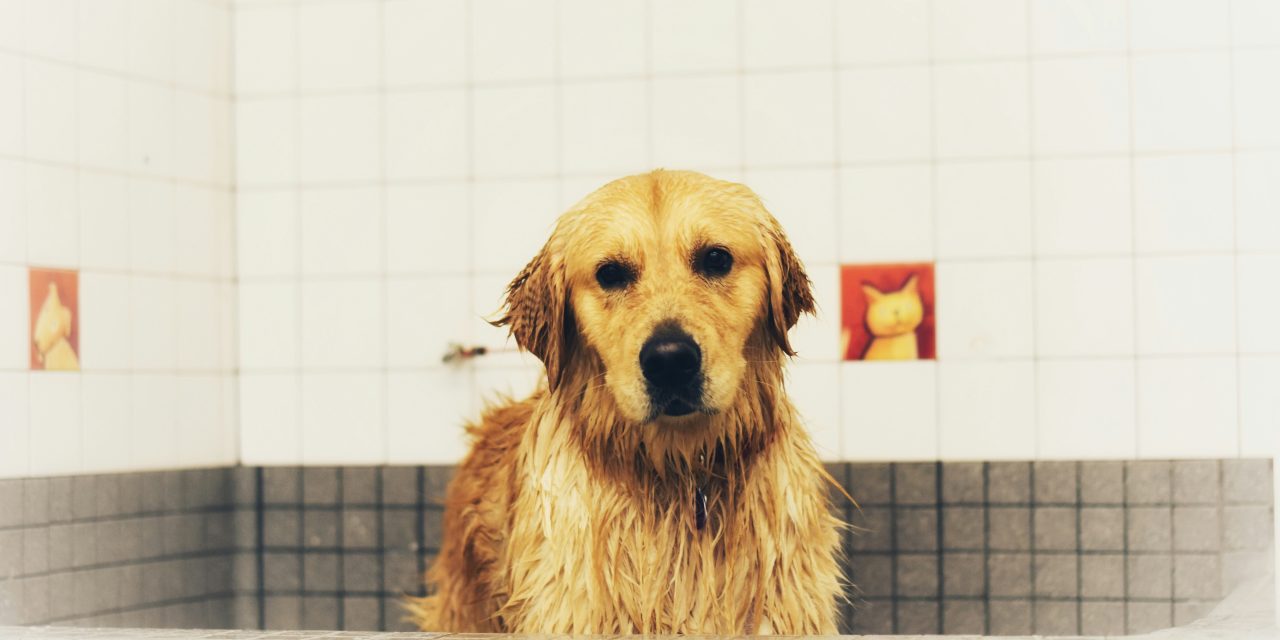
Bathing plays a pivotal role in maintaining a dog’s skin health. Regular bathing helps remove dirt, debris, and excess oils that can accumulate on the skin and coat. This practice not only promotes cleanliness but also aids in the prevention of skin infections and irritations. However, the frequency and method of bathing are critical to achieving optimal results.
When performed correctly, bathing can enhance the overall appearance and health of a dog’s coat. It can stimulate blood circulation to the skin, promoting healthy hair growth and reducing the likelihood of dandruff. However, overbathing or using inappropriate products can lead to adverse effects, including dryness and irritation, which may exacerbate dandruff issues.
Common Causes of Dandruff After a Bath

Despite the benefits of bathing, many dogs experience dandruff post-bath. One common cause is inadequate rinsing of shampoo or conditioner from the coat. Residual products can irritate the skin, leading to flaking and discomfort. Additionally, if the water temperature is too hot or cold, it can strip essential oils from the skin, resulting in dryness.
Another contributing factor is the use of harsh soaps or shampoos that disrupt the skin’s natural barrier. These products can alter the pH balance of the skin, leading to irritation and increased flakiness. Identifying these causes is essential for preventing dandruff after bathing.
How Overbathing Can Lead to Dry Skin and Flakes

Overbathing is a prevalent issue among dog owners who may believe that frequent baths are necessary for cleanliness. However, excessive bathing can strip the skin of its natural oils, leading to dryness and subsequent flaking. The skin’s lipid barrier is crucial for maintaining hydration; when compromised, it can result in a range of dermatological issues.
Moreover, overbathing can disrupt the skin’s microbiome, which plays a vital role in protecting against pathogens and maintaining overall skin health. This disruption can lead to an imbalance that fosters conditions conducive to dandruff development. Therefore, it is essential to establish a balanced bathing routine tailored to your dog’s specific needs.
The Impact of Using the Wrong Shampoo on Your Dog’s Skin
The choice of shampoo significantly influences a dog’s skin health. Many commercial shampoos contain sulfates, parabens, and artificial fragrances that can irritate sensitive skin. These ingredients may strip away natural oils and disrupt the skin’s pH balance, leading to dryness and flaking.
For dogs prone to dandruff or sensitive skin, it is advisable to use hypoallergenic or medicated shampoos specifically formulated for canine use. These products often contain soothing ingredients such as oatmeal or aloe vera that help hydrate and nourish the skin while minimizing irritation. Consulting with a veterinarian can provide guidance on selecting appropriate bathing products for your dog.
Allergic Reactions and Sensitivities Triggered by Bath Products
Allergic reactions to bath products can manifest as dermatitis, resulting in redness, itching, and flaking of the skin. Dogs may develop sensitivities to specific ingredients in shampoos or conditioners, leading to an inflammatory response that exacerbates dandruff.
Common allergens include fragrances, preservatives, and certain botanical extracts. Identifying these triggers is crucial for managing allergic reactions effectively. A veterinarian may recommend conducting an elimination trial with different products to pinpoint specific sensitivities.
The Importance of Proper Rinsing to Prevent Residue Build-Up
Proper rinsing is a critical step in the bathing process that should not be overlooked. Residual shampoo or conditioner left on the coat can lead to irritation and flaking as it interacts with the dog’s skin over time. Ensuring thorough rinsing helps remove any product remnants that could contribute to dandruff.
It is advisable to rinse until the water runs clear and feels free of any slippery residue. Additionally, using lukewarm water can enhance comfort during bathing while ensuring effective cleansing without stripping essential oils from the skin.
Environmental Factors That Exacerbate Post-Bath Dandruff
Environmental factors play a significant role in exacerbating post-bath dandruff in dogs. Low humidity levels, particularly during winter months or in arid climates, can lead to dry skin conditions that promote flaking. Additionally, exposure to allergens such as pollen or dust mites can trigger inflammatory responses that worsen dandruff.
Seasonal changes may also impact a dog’s coat health; for instance, shedding during spring and fall can lead to increased flakiness as dead hair follicles are expelled. Implementing measures such as using humidifiers indoors or providing regular grooming can help mitigate these environmental effects.
Nutritional Deficiencies and Their Effect on Your Dog’s Coat
A well-balanced diet is essential for maintaining healthy skin and coat in dogs. Nutritional deficiencies—particularly in fatty acids such as omega-3 and omega-6—can lead to dry skin and increased susceptibility to dandruff. These essential fatty acids play a crucial role in maintaining skin hydration and integrity.
Incorporating high-quality dog food rich in these nutrients or supplementing with fish oil can significantly improve coat health. Consulting with a veterinarian or a pet nutritionist can provide tailored dietary recommendations based on your dog’s specific needs.
When to Consult a Veterinarian About Persistent Dandruff
Persistent dandruff warrants professional evaluation by a veterinarian. If your dog exhibits signs of discomfort such as excessive scratching, redness, or inflammation alongside dandruff, it may indicate an underlying condition requiring medical intervention. Conditions such as seborrheic dermatitis or fungal infections may necessitate specific treatments.
A veterinarian will conduct a thorough examination and may recommend diagnostic tests such as skin scrapings or allergy testing to determine the root cause of the dandruff. Early intervention is crucial for preventing further complications and ensuring your dog’s comfort.
Tips for Preventing and Managing Dandruff After Bathing Your Dog
To effectively prevent and manage post-bath dandruff in dogs, consider implementing the following strategies:
1. **Establish a Bathing Schedule**: Limit baths to every 4-6 weeks unless otherwise directed by a veterinarian.
2. **Choose Appropriate Products**: Use hypoallergenic shampoos free from harsh chemicals.
3. **Thorough Rinsing**: Ensure all products are completely rinsed from your dog’s coat.
4. **Monitor Environmental Conditions**: Use humidifiers during dry seasons to maintain moisture levels.
5. **Balanced Diet**: Provide high-quality food rich in essential fatty acids.
6. **Regular Grooming**: Brush your dog regularly to remove dead hair and distribute natural oils evenly.
7. **Consult Professionals**: Seek veterinary advice if dandruff persists despite home management efforts.
In summary, dog dandruff is a multifaceted condition influenced by various factors including bathing practices, environmental conditions, nutritional status, and product choices. Understanding these elements is vital for effective prevention and management strategies. By adopting appropriate bathing routines and consulting with veterinary professionals when necessary, dog owners can ensure their pets maintain healthy skin and coats free from discomforting flakes.
FAQs
What causes dandruff in dogs after a bath?
Dandruff in dogs after a bath can be caused by several factors, including dry skin, allergic reactions to shampoos, or improper rinsing that leaves residue on the skin. Additionally, environmental factors such as low humidity or changes in temperature can contribute to dry skin and dandruff.
Can the type of shampoo used affect my dog’s dandruff?
Yes, the type of shampoo used can significantly affect your dog’s skin condition. Some shampoos contain harsh chemicals or fragrances that can irritate the skin and lead to dryness and dandruff. It’s important to use a gentle, hypoallergenic shampoo specifically formulated for dogs.
How can I prevent dandruff in my dog after bathing?
To prevent dandruff, ensure you use a suitable dog shampoo, rinse thoroughly to remove all product residue, and avoid bathing too frequently. Additionally, maintaining a balanced diet rich in omega fatty acids can help improve skin health and reduce dandruff.
Is dandruff in dogs after a bath a sign of a more serious condition?
While occasional dandruff may not indicate a serious issue, persistent or severe dandruff can be a sign of underlying skin conditions, allergies, or parasites. If your dog’s dandruff continues or is accompanied by other symptoms like itching or redness, it’s advisable to consult a veterinarian.
Should I change my dog’s diet to help with dandruff?
Yes, changing your dog’s diet can help with dandruff. A diet rich in omega-3 and omega-6 fatty acids can promote healthy skin and coat. Consider incorporating high-quality dog food or supplements that support skin health, but consult your veterinarian before making significant dietary changes.