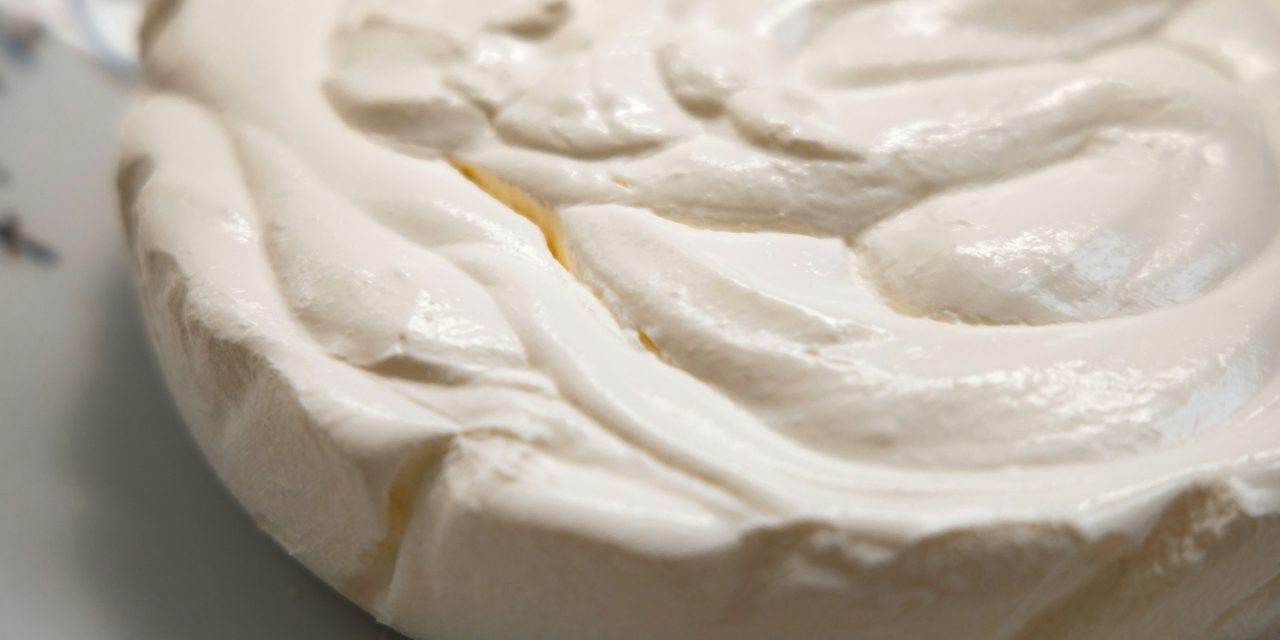
Sour cream is a popular dairy product known for its creamy texture and tangy flavor, often used in various culinary applications, from dips to dressings. Understanding the shelf life of sour cream is crucial for both food safety and quality. Typically, unopened sour cream can last for about two to three weeks past its expiration date when stored correctly in the refrigerator. However, once opened, its longevity diminishes significantly due to exposure to air and potential contamination from utensils.
The shelf life of sour cream is influenced by several factors, including the manufacturing process, packaging, and storage conditions. Commercially produced sour cream often contains preservatives that can extend its freshness. In contrast, homemade versions lack these additives and may spoil more quickly. Therefore, it is essential to be aware of the specific type of sour cream you are using and its unique characteristics regarding shelf life.
Factors Affecting Sour Cream Freshness
Several factors play a pivotal role in determining how long sour cream remains fresh. One of the primary influences is temperature. Sour cream should always be stored in a refrigerator at or below 40°F (4°C). Higher temperatures can accelerate bacterial growth, leading to spoilage. Additionally, the way sour cream is handled can impact its freshness; using clean utensils and avoiding double-dipping can help prevent contamination.
Another significant factor is the packaging. Sour cream typically comes in airtight containers that help maintain its quality. However, once opened, exposure to air can introduce bacteria and mold spores, which can compromise the product’s integrity. The presence of preservatives also affects freshness; those with added stabilizers may last longer than their natural counterparts. Understanding these factors can help consumers make informed decisions about storage and usage.
Typical Duration of Sour Cream After Opening

Once sour cream has been opened, its shelf life decreases considerably. Generally, opened sour cream can last for about one to three weeks in the refrigerator, depending on various factors such as storage conditions and handling practices. It is advisable to consume it within this timeframe to ensure optimal flavor and safety.
To maximize the duration of opened sour cream, it is essential to keep it tightly sealed and stored in the coldest part of the refrigerator, away from the door where temperature fluctuations are more likely to occur. Regularly checking the product for freshness can also help prevent spoilage and waste.
Signs Your Sour Cream Has Gone Bad

Identifying spoiled sour cream is crucial for maintaining food safety. There are several telltale signs that indicate sour cream has gone bad. The first sign is a change in texture; if the sour cream appears excessively watery or has developed lumps, it may be time to discard it. Additionally, an off or rancid odor is a strong indicator of spoilage; fresh sour cream should have a pleasant tangy smell.
Another sign to watch for is discoloration. If you notice any yellowing or mold growth on the surface, it is best to err on the side of caution and dispose of the product. Consuming spoiled sour cream can lead to foodborne illnesses, so being vigilant about these signs is essential for health and safety.
How to Properly Store Opened Sour Cream
Proper storage techniques are vital for extending the shelf life of opened sour cream. After each use, ensure that the container is tightly sealed to minimize exposure to air and contaminants. It is advisable to use a clean utensil each time you scoop out sour cream to prevent introducing bacteria into the container.
Storing sour cream in the coldest part of the refrigerator, typically towards the back rather than the door, helps maintain a consistent temperature. Avoid leaving sour cream out at room temperature for extended periods, as this can promote bacterial growth. By following these storage guidelines, you can significantly prolong the freshness of your sour cream.
The Role of Refrigeration in Sour Cream Longevity
Refrigeration plays a critical role in preserving the quality and safety of sour cream. Keeping sour cream at temperatures below 40°F (4°C) inhibits bacterial growth and enzymatic activity that can lead to spoilage. The cold environment slows down the metabolic processes of microorganisms, allowing the product to maintain its freshness for a more extended period.
Moreover, refrigeration helps retain the creamy texture and tangy flavor that sour cream is known for. When stored properly in a refrigerator, sour cream can remain safe for consumption even after its expiration date, provided there are no signs of spoilage. Understanding the importance of refrigeration can help consumers make better choices regarding food storage.
Can You Freeze Sour Cream to Extend Its Life?
Freezing sour cream is an option for extending its shelf life; however, it is essential to note that freezing may alter its texture and consistency upon thawing. When frozen, sour cream can last for up to three months without significant loss of flavor or safety. To freeze sour cream effectively, transfer it into an airtight container or freezer-safe bag, leaving some space for expansion as it freezes.
When ready to use frozen sour cream, thaw it in the refrigerator rather than at room temperature to minimize bacterial growth. After thawing, it may appear grainy or separated; however, this can often be remedied by stirring it well before use. While freezing is a viable option for extending shelf life, it may not be suitable for all culinary applications due to potential texture changes.
Differences Between Homemade and Store-Bought Sour Cream
Homemade and store-bought sour cream differ significantly in terms of ingredients, flavor profiles, and shelf life. Store-bought varieties often contain stabilizers and preservatives that enhance their longevity and maintain a consistent texture. These additives allow commercial products to remain fresh longer than homemade versions, which typically consist of just cream and a bacterial culture.
On the other hand, homemade sour cream tends to have a fresher taste and a more pronounced tanginess due to the absence of preservatives. However, without these additives, homemade sour cream has a shorter shelf life and requires careful handling and storage practices to prevent spoilage. Understanding these differences can help consumers choose between homemade and store-bought options based on their preferences and intended use.
Using Sour Cream Safely Beyond Its Expiration Date
While it is generally advisable to adhere to expiration dates for food safety reasons, sour cream may still be safe for consumption shortly after this date if stored correctly and showing no signs of spoilage. The “best by” date indicates peak quality rather than safety; thus, many products remain edible beyond this point if they have been properly refrigerated.
Before using sour cream past its expiration date, conduct a thorough inspection for any signs of spoilage such as off odors or unusual textures. If it appears normal and smells fresh, it may still be safe to use in recipes where it will be cooked or baked, as high temperatures can kill any potential bacteria present.
Common Mistakes That Shorten Sour Cream Shelf Life
Several common mistakes can inadvertently shorten the shelf life of sour cream. One prevalent error is leaving the container open or improperly sealed after use; this allows air exposure that promotes spoilage. Additionally, using contaminated utensils or double-dipping can introduce bacteria into the product.
Another mistake involves storing sour cream in areas of the refrigerator that experience temperature fluctuations, such as the door compartment. Instead, it should be placed in a stable environment within the main body of the refrigerator where temperatures remain consistent. By avoiding these common pitfalls, consumers can significantly extend the freshness of their sour cream.
Tips for Reducing Waste and Maximizing Sour Cream Use
To minimize waste and maximize the use of sour cream, consider incorporating it into various recipes beyond its traditional applications. Sour cream can enhance baked goods like cakes and muffins by adding moisture and richness while also serving as a base for creamy sauces or dressings.
Additionally, consider portioning out smaller amounts into separate containers before freezing if you plan on using only part of a larger container later on. This approach allows you to thaw only what you need without compromising the entire batch’s quality. By being creative with how you use sour cream and implementing smart storage practices, you can reduce waste while enjoying this versatile ingredient.
In summary, understanding sour cream’s shelf life involves recognizing factors affecting its freshness, proper storage techniques, and identifying signs of spoilage. By adhering to best practices regarding refrigeration and handling while being mindful of expiration dates, consumers can enjoy this delicious dairy product safely and effectively while minimizing waste.
FAQs
How long does sour cream last after opening?
Once opened, sour cream typically lasts about 1 to 3 weeks in the refrigerator. It’s important to check the expiration date on the container and to store it properly to maximize its shelf life.
How can you tell if sour cream has gone bad?
You can tell if sour cream has gone bad by checking for signs such as an off smell, discoloration, or the presence of mold. If you notice any of these signs, it’s best to discard the sour cream.
Can sour cream be frozen for later use?
Yes, sour cream can be frozen, but it may change in texture once thawed. It is recommended to use frozen sour cream in cooked dishes rather than as a topping or dip.
What is the best way to store opened sour cream?
The best way to store opened sour cream is to keep it in its original container, tightly sealed, and placed in the refrigerator. Avoid leaving it out at room temperature for extended periods.
Does sour cream need to be stirred after opening?
Yes, it is a good idea to stir sour cream after opening, as separation may occur. Stirring helps to restore its creamy consistency before using it in recipes or as a topping.