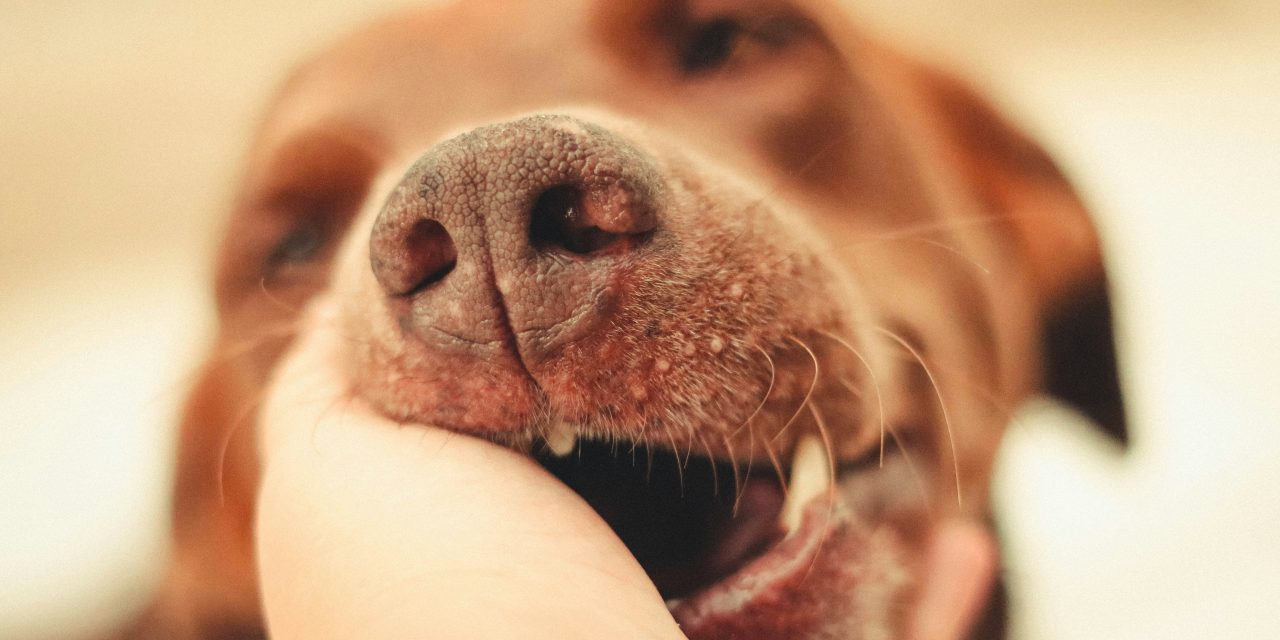
Plaque is a soft, sticky film composed of bacteria, food particles, and saliva that forms on the teeth. In dogs, this biofilm can lead to significant dental issues if not addressed promptly. The accumulation of plaque can harden into tartar, which is more challenging to remove and can lead to periodontal disease, a serious condition that affects the gums and supporting structures of the teeth. Periodontal disease can result in tooth loss and systemic health issues, as bacteria from the mouth can enter the bloodstream and affect vital organs such as the heart, liver, and kidneys.
The impact of plaque on a dog’s dental health is profound. Studies indicate that approximately 80% of dogs exhibit some form of dental disease by the age of three. This statistic underscores the importance of understanding plaque formation and its consequences. Regular dental care is essential not only for maintaining oral hygiene but also for ensuring overall health and longevity in canine companions.
Signs Your Dog May Have Plaque Buildup
Recognizing the signs of plaque buildup in dogs is crucial for early intervention. One of the most common indicators is bad breath, medically known as halitosis. This unpleasant odor often arises from the bacteria present in plaque and tartar. Additionally, pet owners may notice a yellowish or brownish discoloration on their dog’s teeth, particularly along the gum line, which signifies the presence of tartar.
Other signs include swollen or bleeding gums, difficulty chewing, and excessive drooling. Dogs may also exhibit behavioral changes such as reluctance to eat or play due to oral discomfort. If you observe any of these symptoms, it is imperative to consult a veterinarian for a thorough dental examination and appropriate treatment.
Why Regular Dental Care is Essential for Dogs

Regular dental care is vital for maintaining your dog’s overall health. Neglecting oral hygiene can lead to severe consequences, including periodontal disease, which affects not only the teeth but also the surrounding tissues and bones. Periodontal disease can cause pain, infection, and even systemic health issues as bacteria enter the bloodstream.
Moreover, routine dental care can prevent costly veterinary procedures in the future. Professional cleanings can be expensive, and early intervention through regular brushing and dental check-ups can save pet owners significant financial burdens. Establishing a dental care routine fosters a healthier lifestyle for your dog, enhancing their quality of life and longevity.
Choosing the Right Toothbrush and Toothpaste for Dogs

Selecting appropriate dental tools is essential for effective plaque removal. Dog-specific toothbrushes are designed with softer bristles and angled heads to accommodate a dog’s unique mouth structure. Finger brushes are also available, allowing pet owners to gently clean their dog’s teeth with their fingers.
Equally important is choosing the right toothpaste. Human toothpaste contains xylitol, which is toxic to dogs. Instead, opt for veterinary-approved dog toothpaste that comes in flavors appealing to pets, such as poultry or peanut butter. These formulations are safe for ingestion and effectively combat plaque buildup while freshening breath.
Step-by-Step Guide to Brushing Your Dog’s Teeth Safely
Brushing your dog’s teeth may seem daunting, but with a systematic approach, it can become a manageable routine. Begin by allowing your dog to become accustomed to the toothbrush and toothpaste. Let them sniff and taste the toothpaste before introducing the brush.
1. **Positioning**: Secure your dog in a comfortable position, either sitting or lying down.
2. **Introduce the Brush**: Gently lift your dog’s lip to expose their teeth and gums.
3. **Start Brushing**: Use a circular motion to brush the outer surfaces of the teeth, focusing on areas where plaque tends to accumulate.
4. **Be Gentle**: Avoid applying excessive pressure; gentle brushing is sufficient.
5. **Reward**: After brushing, reward your dog with praise or a treat to create a positive association with dental care.
Aim to brush your dog’s teeth at least two to three times per week for optimal results.
Natural Remedies to Help Reduce Plaque in Dogs
In addition to regular brushing, several natural remedies can aid in reducing plaque buildup in dogs. One effective method is incorporating raw vegetables into their diet, such as carrots or celery, which can help mechanically clean teeth while providing essential nutrients.
Coconut oil is another natural remedy known for its antibacterial properties. Applying a small amount of coconut oil to your dog’s teeth can help reduce plaque formation and freshen breath. Additionally, certain herbs like parsley and peppermint can be beneficial due to their natural antibacterial effects.
The Role of Dental Chews and Toys in Plaque Removal
Dental chews and toys play a significant role in maintaining oral hygiene for dogs. These products are specifically designed to promote chewing behavior while aiding in plaque removal through mechanical action. Chewing on these items stimulates saliva production, which helps neutralize acids produced by bacteria.
When selecting dental chews, look for those approved by veterinary dental associations that meet safety standards. Rubber toys with textured surfaces can also assist in cleaning teeth while providing mental stimulation for your dog.
How Diet Can Influence Your Dog’s Oral Health
Diet plays a crucial role in your dog’s oral health. High-quality commercial dog foods often contain ingredients that promote dental health by reducing plaque buildup. Dry kibble can help scrape away food particles and plaque during chewing.
Conversely, feeding your dog a diet high in sugars or carbohydrates can contribute to plaque formation and subsequent dental issues. Consider incorporating dental-specific diets or supplements designed to enhance oral health into your dog’s feeding regimen.
When to Seek Professional Dental Cleaning from a Veterinarian
Despite diligent home care, some dogs may require professional dental cleaning due to significant plaque buildup or periodontal disease. Signs that warrant a veterinary visit include persistent bad breath, swollen gums, loose teeth, or difficulty eating.
Veterinarians typically perform dental cleanings under anesthesia to ensure thorough cleaning without discomfort to the animal. During this procedure, they will scale away tartar and polish the teeth while assessing overall oral health.
Preventative Measures to Keep Your Dog’s Teeth Healthy
Preventative measures are essential for maintaining optimal dental health in dogs. Establishing a consistent dental care routine that includes regular brushing, dental chews, and professional cleanings can significantly reduce the risk of plaque buildup and periodontal disease.
Additionally, regular veterinary check-ups should include oral examinations to monitor your dog’s dental health over time. Early detection of potential issues allows for timely intervention and treatment.
Common Mistakes to Avoid When Cleaning Your Dog’s Teeth
While maintaining your dog’s dental hygiene is crucial, several common mistakes can hinder effective cleaning efforts. One frequent error is using human toothpaste instead of dog-specific formulations, which can be harmful due to toxic ingredients like xylitol.
Another mistake is neglecting to introduce brushing gradually; rushing this process may cause anxiety or resistance in your dog. Additionally, failing to brush regularly can lead to plaque accumulation despite efforts made during occasional cleanings.
In summary, maintaining your dog’s dental health requires understanding plaque formation and its implications on overall well-being. Recognizing signs of plaque buildup enables early intervention through regular dental care practices such as brushing with appropriate tools and using natural remedies alongside professional cleanings when necessary. By implementing preventative measures and avoiding common mistakes, pet owners can ensure their furry companions enjoy healthy teeth and gums throughout their lives.
FAQs
What is dental plaque in dogs?
Dental plaque in dogs is a soft, sticky film of bacteria that forms on the teeth. If not removed, it can harden into tartar, leading to dental issues such as gum disease and tooth decay.
How can I safely remove plaque from my dog’s teeth at home?
You can safely remove plaque from your dog’s teeth at home by regularly brushing their teeth with a dog-specific toothpaste, using dental chews designed to reduce plaque, and providing dental toys that promote chewing and help clean teeth.
Are there any natural remedies for plaque removal?
Yes, some natural remedies for plaque removal include offering raw carrots or apples as treats, which can help scrub the teeth, and using coconut oil, which has antibacterial properties, to brush your dog’s teeth.
How often should I clean my dog’s teeth?
It is recommended to brush your dog’s teeth at least two to three times a week. However, daily brushing is ideal for maintaining optimal dental health and preventing plaque buildup.
When should I take my dog to the vet for dental cleaning?
You should take your dog to the vet for professional dental cleaning if you notice signs of dental disease, such as bad breath, swollen gums, loose teeth, or excessive drooling. Regular veterinary check-ups can also help determine the need for professional cleaning.