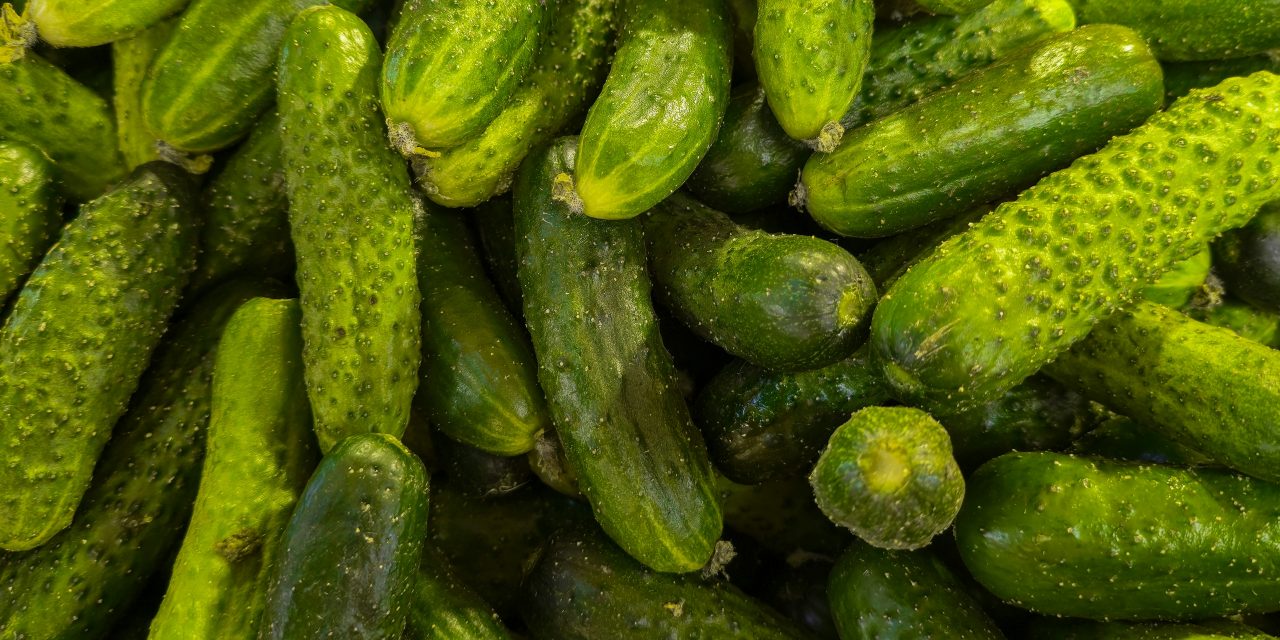
Soft spots in cucumbers can be a frustrating issue for both home gardeners and consumers alike. These blemishes often indicate underlying problems that can affect the overall quality and shelf life of the vegetable. The primary causes of soft spots include physiological disorders, pest infestations, and environmental stressors. Physiological disorders, such as blossom end rot, occur when there is an imbalance of calcium in the plant, leading to tissue breakdown. This condition is exacerbated by inconsistent watering practices, which can cause the cucumber to absorb water unevenly.
In addition to physiological issues, pest infestations can also lead to soft spots. Pests such as cucumber beetles and aphids can damage the plant’s tissues, creating entry points for pathogens that cause decay. Environmental factors, including extreme temperatures and inadequate sunlight, can further contribute to the development of soft spots. When cucumbers are exposed to excessive heat or cold, their cellular structure can become compromised, resulting in softening and decay. Understanding these causes is crucial for both prevention and effective management of cucumber quality.
Selecting Fresh Cucumbers for Longer Storage
Choosing the right cucumbers is essential for ensuring longevity and quality during storage. When selecting cucumbers, look for specimens that are firm, smooth, and free from blemishes or soft spots. The skin should be vibrant green, indicating freshness and optimal ripeness. Cucumbers that are too large may have a higher likelihood of developing soft spots due to their increased water content and potential for over-ripening. Ideally, cucumbers should be harvested or purchased when they are medium-sized, typically around 6 to 8 inches in length.
Additionally, consider the variety of cucumber being selected. Some varieties are bred specifically for storage and have thicker skins that help protect against bruising and decay. For example, pickling cucumbers tend to have a firmer texture compared to slicing cucumbers, making them more resilient during storage. By being discerning in your selection process, you can significantly enhance the shelf life of your cucumbers and reduce the risk of encountering soft spots.
Proper Cleaning Techniques Before Storage

Before storing cucumbers, it is imperative to clean them properly to remove any dirt, pesticides, or pathogens that may contribute to spoilage. Begin by rinsing the cucumbers under cool running water to eliminate surface contaminants. Avoid using soap or chemical cleaners, as these can leave residues that may affect the taste and safety of the vegetable. Instead, gently scrub the skin with a soft brush to ensure thorough cleaning without damaging the delicate surface.
After rinsing, pat the cucumbers dry with a clean kitchen towel or paper towel. Excess moisture can promote mold growth and accelerate spoilage, so it is crucial to ensure that they are completely dry before storage. If you plan to store cucumbers for an extended period, consider using a diluted vinegar solution (one part vinegar to three parts water) as a natural disinfectant. This method not only cleans but also helps inhibit bacterial growth on the surface of the cucumbers.
Ideal Temperature Conditions for Storing Cucumbers

Temperature plays a pivotal role in maintaining the freshness of cucumbers during storage. The ideal temperature range for storing cucumbers is between 50°F to 55°F (10°C to 13°C). At these temperatures, cucumbers can retain their crispness and flavor while minimizing the risk of developing soft spots. Storing cucumbers at temperatures below 50°F (10°C) can lead to chilling injury, which manifests as water-soaked areas and accelerated decay.
To achieve optimal storage conditions, consider using a refrigerator’s crisper drawer set at a higher temperature than the rest of the fridge. If refrigeration is not an option, store cucumbers in a cool, shaded area away from direct sunlight and heat sources. Maintaining consistent temperatures is essential; fluctuations can lead to stress on the fruit and contribute to spoilage.
The Role of Humidity in Preventing Soft Spots
Humidity levels significantly influence cucumber storage quality. Cucumbers thrive in environments with moderate humidity levels ranging from 85% to 95%. High humidity helps prevent moisture loss from the fruit’s surface, which can lead to shriveling and softening. Conversely, low humidity can cause cucumbers to dry out quickly, resulting in undesirable texture changes.
To maintain appropriate humidity levels during storage, consider placing a damp paper towel or sponge in the storage container or bag with the cucumbers. This method helps create a microenvironment that retains moisture without making the cucumbers overly wet. Additionally, avoid sealing cucumbers in airtight containers, as this can trap excess moisture and promote mold growth. Instead, opt for perforated plastic bags that allow for air circulation while retaining humidity.
Using Plastic Wrap and Storage Bags Effectively
Plastic wrap and storage bags can be valuable tools for preserving cucumber freshness when used correctly. When wrapping cucumbers in plastic wrap, ensure that they are completely dry before doing so; this prevents moisture buildup that could lead to spoilage. Wrap each cucumber individually to minimize contact between them, reducing the risk of bruising and soft spots.
Alternatively, using resealable storage bags is an effective method for storing multiple cucumbers at once. Before sealing the bag, remove as much air as possible to limit oxidation and moisture loss. Perforated bags are particularly advantageous as they allow for airflow while maintaining humidity levels. Labeling bags with dates can help track freshness and ensure timely consumption.
The decision to store cucumbers whole or sliced significantly impacts their shelf life and quality. Whole cucumbers generally retain their freshness longer than sliced ones due to their intact skin, which acts as a protective barrier against moisture loss and microbial invasion. When storing whole cucumbers, follow previously mentioned techniques such as proper cleaning and humidity control.
If you choose to slice cucumbers for immediate use or meal preparation, it is best to consume them within a few hours for optimal taste and texture. If you must store sliced cucumbers, place them in an airtight container lined with paper towels to absorb excess moisture. This method helps maintain crispness while preventing sogginess. Additionally, consider adding a small amount of lemon juice or vinegar to sliced cucumbers; this not only enhances flavor but also acts as a natural preservative.
Avoiding Ethylene-Producing Fruits Near Cucumbers
Ethylene gas is a natural plant hormone produced by certain fruits as they ripen. This gas can accelerate ripening processes in nearby fruits and vegetables, leading to premature spoilage. Cucumbers are particularly sensitive to ethylene exposure; therefore, it is crucial to store them away from ethylene-producing fruits such as bananas, apples, and tomatoes.
To minimize ethylene exposure during storage, designate separate areas within your refrigerator or pantry for cucumbers and ethylene-producing fruits. If space allows, consider using separate bins or containers for each category of produce. By implementing these strategies, you can prolong the freshness of your cucumbers while preventing unwanted soft spots.
Utilizing Paper Towels to Absorb Excess Moisture
Paper towels serve as an excellent tool for managing moisture levels during cucumber storage. Excess moisture can lead to mold growth and accelerated spoilage; therefore, incorporating paper towels into your storage routine can help mitigate these risks effectively. When storing whole cucumbers in bags or containers, place a dry paper towel at the bottom or alongside them to absorb any excess moisture that may accumulate.
For sliced cucumbers, wrapping them in paper towels before placing them in an airtight container can help maintain crispness while preventing sogginess. The absorbent properties of paper towels help regulate humidity levels within the container without trapping excess moisture that could lead to decay.
When and How to Refrigerate Cucumbers
Refrigeration is often recommended for extending cucumber shelf life; however, timing is crucial for optimal results. Cucumbers should be refrigerated only after they have been cleaned and dried thoroughly. If you plan on consuming them within a few days after purchase or harvest, storing them at room temperature may suffice; however, if you anticipate longer storage needs, refrigeration becomes essential.
When refrigerating cucumbers, place them in the crisper drawer or a designated vegetable compartment set at an appropriate temperature (50°F to 55°F). Avoid washing them until just before use; excess moisture from washing can promote spoilage during refrigeration. If you notice any signs of softening or decay while stored in the refrigerator, remove affected cucumbers immediately to prevent cross-contamination with healthier specimens.
Signs of Spoilage and When to Discard Cucumbers
Recognizing signs of spoilage is vital for maintaining food safety and quality when it comes to cucumbers. Common indicators include soft spots, discoloration (yellowing or browning), sliminess on the skin surface, and an unpleasant odor emanating from the fruit. If any of these signs are present, it is advisable to discard the affected cucumber immediately.
In some cases where only minor soft spots are present but the cucumber remains firm overall, you may choose to cut away the affected area before consumption; however, exercise caution when doing so. Always prioritize food safety by erring on the side of caution—when in doubt about a cucumber’s freshness or safety for consumption, it is best to discard it.
In summary, understanding how to properly select, clean, store, and manage cucumbers can significantly enhance their shelf life while preventing issues such as soft spots and spoilage. By adhering to best practices regarding temperature control, humidity management, and separation from ethylene-producing fruits, consumers can enjoy fresh cucumbers for longer periods without compromising quality or safety.
FAQs
What is the best temperature to store cucumbers?
Cucumbers are best stored at temperatures between 50°F and 55°F (10°C to 13°C). Storing them at temperatures lower than this can cause chilling injury, leading to soft spots and decay.
Should cucumbers be washed before storing?
It is recommended not to wash cucumbers before storing them, as moisture can promote mold growth and lead to soft spots. Instead, wash them just before use.
How should cucumbers be stored to prevent soft spots?
Cucumbers should be stored in a cool, humid environment, ideally in a perforated plastic bag in the crisper drawer of the refrigerator. This helps maintain humidity while allowing for air circulation.
Can cucumbers be stored with other fruits and vegetables?
Cucumbers should not be stored with fruits that produce ethylene gas, such as bananas and tomatoes, as this can accelerate ripening and lead to soft spots. It’s best to keep them separate.
How long can cucumbers be stored before they start to spoil?
When stored properly, cucumbers can last about 1 to 2 weeks in the refrigerator. However, it’s best to consume them sooner for optimal freshness and texture.