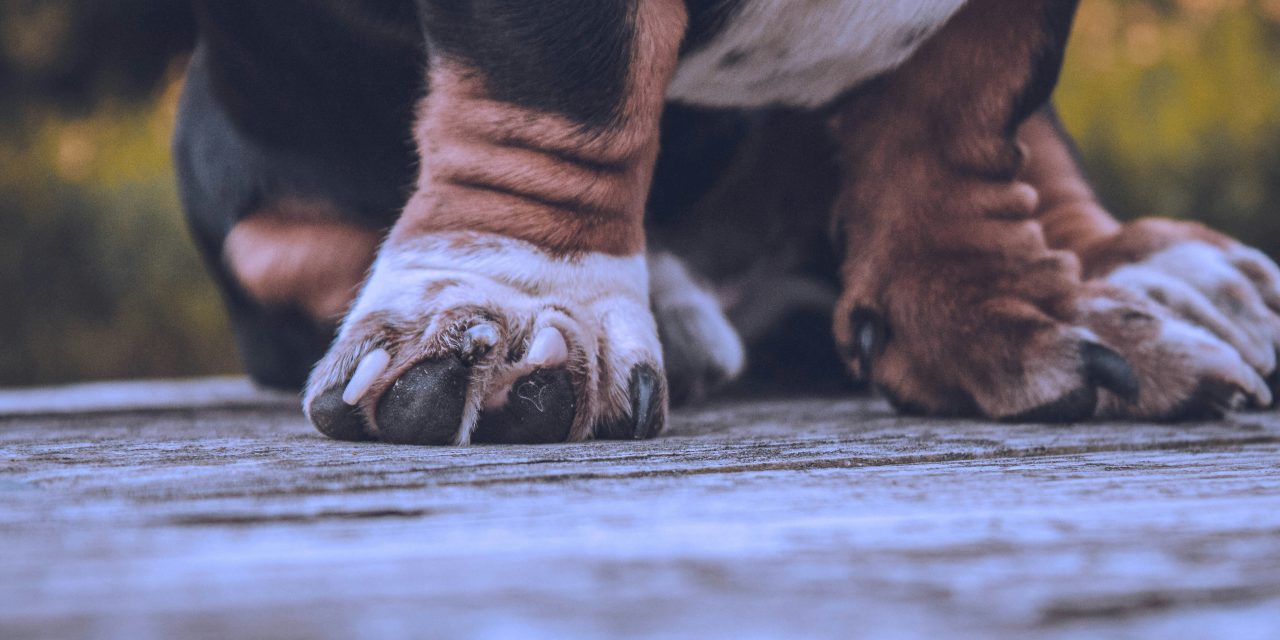
Nail trimming is an essential aspect of canine care that often goes overlooked by pet owners. Regular nail maintenance is crucial for a dog’s overall health and well-being. Overgrown nails can lead to a myriad of complications, including pain, discomfort, and mobility issues. When a dog’s nails are excessively long, they can cause structural changes in the foot, leading to abnormal gait patterns and potential joint problems. Furthermore, long nails can become snagged on various surfaces, resulting in painful injuries or even fractures.
In addition to physical health concerns, neglected nails can also affect a dog’s behavior. Dogs with uncomfortable or painful nails may exhibit signs of anxiety or aggression, particularly when their paws are handled. Regular trimming not only prevents these issues but also promotes a positive experience for both the dog and the owner. By establishing a routine nail care regimen, pet owners can ensure their furry companions remain comfortable and happy.
Preparing the Right Tools for Nail Trimming
Before embarking on the nail trimming process, it is imperative to gather the appropriate tools to ensure a safe and effective experience. The most common instruments used for this purpose include nail clippers, grinders, and styptic powder. Nail clippers come in various styles, such as guillotine-type or scissors-type, each designed to accommodate different nail sizes and thicknesses. Selecting the right type of clipper is crucial; for instance, larger breeds may require heavy-duty clippers, while smaller breeds may benefit from more delicate options.
In addition to clippers, a nail grinder can be an excellent alternative for smoothing rough edges after trimming. These devices use a rotating abrasive surface to gently file down the nail, reducing the risk of splitting or cracking. Styptic powder is another essential tool that should be readily available during the trimming process. This powder contains agents that promote clotting and can be applied to any accidental nicks or cuts to stop bleeding quickly.
Creating a Calm and Comfortable Environment

Establishing a serene atmosphere is vital for successful nail trimming sessions. Dogs are highly sensitive to their surroundings, and a calm environment can significantly reduce anxiety levels. Choose a quiet space free from distractions, such as loud noises or other pets. Consider using non-slip mats or blankets to provide stability and comfort during the procedure.
Additionally, the time of day can influence a dog’s demeanor. Opt for a time when your dog is naturally relaxed, such as after a walk or play session. This approach can help create a positive association with nail trimming. Furthermore, incorporating soothing music or calming scents, such as lavender, may enhance relaxation and make the experience more enjoyable for your pet.
Introducing Your Dog to the Nail Clippers

Familiarizing your dog with nail clippers is an essential step in the grooming process. Start by allowing your dog to observe the clippers from a distance without any pressure to engage. Gradually bring the clippers closer while offering treats and praise to create positive associations. This method helps alleviate any fear or apprehension your dog may have regarding the clippers.
Once your dog appears comfortable with the sight of the clippers, you can begin to introduce them to the sound they make when in use. Gently press the clippers together near your dog while providing treats and affection. This step will help desensitize your pet to the noise associated with nail trimming, making them more receptive when it comes time for actual clipping.
Desensitizing Your Dog to Paw Handling
Paw handling is an integral part of nail trimming that many dogs find uncomfortable. To ease this discomfort, it is essential to desensitize your dog to having their paws touched. Begin by gently holding your dog’s paw for short periods while offering treats and praise. Gradually increase the duration of paw handling over several sessions until your dog becomes more accustomed to this interaction.
Incorporating gentle massages into this process can also help your dog relax and associate paw handling with positive experiences. Focus on massaging the pads and between the toes while maintaining a calm demeanor. This practice not only helps with nail trimming but also fosters trust between you and your pet.
Using Positive Reinforcement Techniques
Positive reinforcement is a powerful tool in training and grooming scenarios. When it comes to nail trimming, rewarding your dog for calm behavior can significantly improve their experience. Use high-value treats or their favorite toys as incentives during each step of the process. For instance, reward your dog immediately after they allow you to touch their paws or after successfully trimming a nail.
Consistency is key when employing positive reinforcement techniques. Ensure that you reward your dog every time they exhibit desired behavior during nail trimming sessions. This approach will help reinforce good behavior and create a more enjoyable experience for both you and your furry friend.
Starting with Short and Gentle Trimming Sessions
When initiating nail trimming sessions, it is advisable to start small and gradually build up to longer sessions. Begin by trimming just one or two nails at a time, allowing your dog to acclimate to the process without feeling overwhelmed. This method reduces stress and helps maintain a positive association with nail trimming.
As your dog becomes more comfortable with short sessions, you can gradually increase the number of nails trimmed in each session. Always monitor your dog’s body language for signs of discomfort or stress, and be prepared to take breaks if necessary. The goal is to create a positive experience that encourages cooperation rather than resistance.
Recognizing and Avoiding Signs of Stress
Understanding canine body language is crucial during nail trimming sessions. Signs of stress may include panting, whining, attempting to escape, or tensing up when their paws are handled. Recognizing these signals allows you to adjust your approach accordingly and prevent overwhelming your dog.
If you notice signs of distress, take a step back and allow your dog some time to relax before continuing. It may be beneficial to end the session early if your dog appears particularly anxious. Remember that patience is essential; forcing the process can lead to negative associations with nail trimming.
Gradually Increasing the Duration of Trimming
As your dog becomes more accustomed to nail trimming sessions, you can gradually increase their duration over time. Start by extending each session by just a few minutes while maintaining a calm demeanor and offering rewards for good behavior. This gradual approach helps build tolerance and reinforces positive associations with longer grooming sessions.
Monitor your dog’s comfort level throughout this process; if they show signs of stress or discomfort, revert to shorter sessions until they regain confidence. The key is to ensure that each session remains a positive experience that fosters trust between you and your pet.
Handling Accidental Nicks and Bleeding Safely
Accidents can happen during nail trimming, even with the most careful approach. If you accidentally nick the quick—the sensitive area within the nail—bleeding may occur. It is essential to remain calm and composed in such situations to avoid further stressing your dog.
To manage accidental nicks effectively, apply styptic powder directly to the bleeding area using gentle pressure until bleeding stops. If styptic powder is unavailable, cornstarch can serve as an alternative until proper supplies are obtained. After addressing any bleeding, provide comfort and reassurance to your dog through gentle petting and soothing words.
Maintaining a Regular Nail Trimming Routine
Establishing a consistent nail trimming routine is vital for maintaining your dog’s paw health over time. Depending on your dog’s activity level and breed characteristics, nails may require trimming every 3-6 weeks. Regular maintenance prevents overgrowth and reduces the risk of injury or discomfort.
Incorporating nail trimming into your dog’s grooming schedule not only promotes physical health but also strengthens the bond between you and your pet through shared experiences. By making nail care a regular part of your routine, you contribute significantly to your dog’s overall well-being.
In summary, regular nail trimming is crucial for maintaining canine health and comfort. By preparing adequately with the right tools, creating a calm environment, introducing clippers gradually, desensitizing paws, employing positive reinforcement techniques, starting with short sessions, recognizing stress signals, managing accidental nicks safely, and establishing a routine, pet owners can ensure their dogs remain happy and healthy throughout their lives.
FAQs
Why is it important to trim my dog’s nails?
Trimming your dog’s nails is essential for their overall health and well-being. Overgrown nails can cause pain, discomfort, and lead to issues such as difficulty walking, joint problems, and even infections. Regular nail trimming helps maintain proper foot structure and prevents injuries.
What tools do I need for trimming my dog’s nails?
To trim your dog’s nails, you will need a good quality nail clipper designed for pets, such as guillotine-style or scissor-style clippers. Additionally, having a nail file or grinder can help smooth out any rough edges after clipping. It’s also useful to have treats on hand to reward your dog during the process.
How can I prepare my dog for nail trimming?
To prepare your dog for nail trimming, start by getting them accustomed to having their paws handled. Gently touch and hold their paws regularly, rewarding them with treats and praise. Gradually introduce the nail clippers by allowing them to sniff and explore the tool before attempting to trim their nails.
What should I do if my dog is afraid of nail trimming?
If your dog is afraid of nail trimming, take a gradual approach. Begin by desensitizing them to the clippers and the sound they make. Use positive reinforcement, such as treats and praise, to create a positive association. Consider trimming just one or two nails at a time and gradually increase the number as your dog becomes more comfortable.
How often should I trim my dog’s nails?
The frequency of nail trimming depends on your dog’s activity level and the surfaces they walk on. Generally, most dogs need their nails trimmed every 3 to 4 weeks. However, some dogs may require more frequent trims, while others may need less. Regularly check your dog’s nails and trim them as needed to prevent overgrowth.