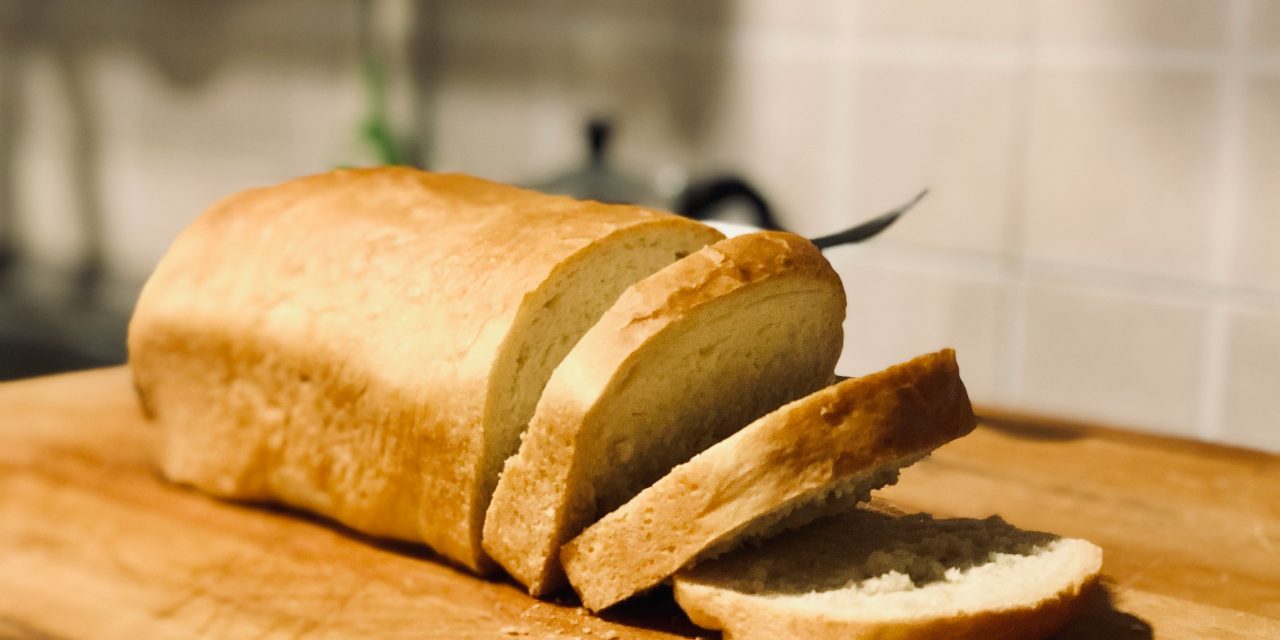
Freezing bread is a practical solution for extending its shelf life while preserving its flavor and texture. Bread, a staple in many diets worldwide, can become stale or moldy if not consumed promptly. The freezing process halts the growth of mold and bacteria, allowing you to enjoy your favorite loaves at a later date. When done correctly, freezing can maintain the quality of bread for several months, making it an excellent option for those who buy in bulk or want to minimize food waste.
The science behind freezing bread involves the formation of ice crystals that inhibit microbial growth. However, it is essential to understand that not all bread freezes equally well. Factors such as moisture content, ingredients, and the type of bread can influence how well it retains its quality after thawing. Therefore, knowing the basics of freezing bread can help you make informed decisions about which types to freeze and how to prepare them for optimal results.
Types of Bread Suitable for Freezing
Not all bread varieties are created equal when it comes to freezing. Generally, most types of bread can be frozen, but some perform better than others. For instance, artisanal loaves with a crusty exterior may lose their crispness after thawing, while softer breads like sandwich loaves tend to freeze and thaw more successfully. Here are some common types of bread that are suitable for freezing:
1. **White Bread**: This classic option freezes well due to its low moisture content and soft texture.
2. **Whole Wheat Bread**: Rich in fiber and nutrients, whole wheat bread also freezes effectively without significant loss of quality.
3. **Sourdough**: The tangy flavor and chewy texture of sourdough can be preserved through freezing, although the crust may soften.
4. **Bagels and Buns**: These items freeze well and can be thawed quickly for a fresh taste.
5. **Flatbreads**: Varieties like pita or naan can be frozen without compromising their texture.
Conversely, breads with high moisture content, such as those containing fruits or vegetables, may not freeze as well due to the risk of sogginess upon thawing. Understanding which types of bread are suitable for freezing can help you make better choices when stocking your pantry.
Preparing Bread for Freezing: What You Need to Know

Preparation is key when it comes to freezing bread effectively. Before placing your loaves in the freezer, consider the following steps to ensure optimal preservation:
1. **Cool Completely**: If you are freezing freshly baked bread, allow it to cool completely at room temperature. This prevents condensation from forming inside the packaging, which can lead to freezer burn.
2. **Slice Before Freezing**: For convenience, consider slicing your bread before freezing. This allows you to take out only what you need without having to thaw the entire loaf.
3. **Check for Freshness**: Ensure that the bread is fresh and free from mold before freezing. Freezing stale or moldy bread will not improve its quality.
By taking these preparatory steps, you can enhance the longevity and quality of your frozen bread.
Best Methods to Wrap Bread for Freezing

Proper wrapping is crucial for maintaining the quality of frozen bread. The goal is to minimize exposure to air and prevent freezer burn while retaining moisture. Here are some effective methods for wrapping bread before freezing:
1. **Plastic Wrap**: This method provides an airtight seal that helps retain moisture. Wrap the bread tightly in plastic wrap, ensuring there are no gaps where air can enter.
2. **Aluminum Foil**: While aluminum foil can also be used, it is best suited for additional protection over plastic wrap rather than as a standalone option.
3. **Freezer Bags**: Place wrapped bread in a freezer-safe bag, squeezing out as much air as possible before sealing.
Using these methods will help preserve the flavor and texture of your bread during its time in the freezer.
When it comes to wrapping bread for freezing, both plastic wrap and aluminum foil have their advantages and disadvantages:
**Plastic Wrap**
– **Pros**: Provides an airtight seal that prevents moisture loss; flexible and easy to mold around various shapes; transparent, allowing you to see the contents without unwrapping.
– **Cons**: Can be less effective against punctures or tears; may not provide sufficient protection against strong odors in the freezer.
**Aluminum Foil**
– **Pros**: Durable and resistant to punctures; provides excellent protection against freezer odors; can be molded around irregular shapes.
– **Cons**: Does not create an airtight seal on its own; may allow moisture loss if not used in conjunction with plastic wrap.
Ultimately, using a combination of both materials can yield the best results when freezing bread.
How to Store Bread in Freezer Bags Effectively
Freezer bags are an excellent option for storing bread due to their convenience and effectiveness in preventing freezer burn. To store bread in freezer bags effectively, follow these steps:
1. **Choose Quality Bags**: Select heavy-duty freezer bags designed to withstand low temperatures.
2. **Remove Air**: Before sealing the bag, press out as much air as possible to minimize exposure to oxygen.
3. **Label and Date**: Use a permanent marker to label each bag with the type of bread and the date it was frozen. This helps you keep track of freshness.
4. **Store Flat**: Lay the bags flat in the freezer for efficient storage and quicker thawing.
By following these guidelines, you can ensure that your frozen bread remains fresh and ready for use whenever you need it.
When deciding whether to freeze sliced bread or whole loaves, consider your consumption habits and convenience needs. Sliced bread offers several advantages:
1. **Convenience**: Sliced bread allows you to take out only what you need without having to thaw an entire loaf.
2. **Faster Thawing**: Individual slices thaw more quickly than whole loaves, making them ideal for last-minute meals or snacks.
On the other hand, whole loaves may be preferable if you plan to use them all at once or prefer a freshly baked appearance after thawing. Ultimately, the choice between sliced and whole loaves depends on personal preference and usage patterns.
How Long Can Bread Be Frozen Without Losing Quality?
The duration for which bread can be frozen without significant loss of quality varies depending on several factors, including the type of bread and how well it is wrapped. Generally speaking:
– **White Bread**: Can maintain quality for up to 3 months.
– **Whole Wheat Bread**: Best consumed within 3 months for optimal flavor and texture.
– **Artisan Breads**: Should ideally be used within 1-2 months due to their crusty nature.
– **Bagels and Buns**: Can last up to 4 months without losing quality.
While frozen bread remains safe indefinitely if kept at 0°F (-18°C), its taste and texture may deteriorate over time. Therefore, it’s advisable to consume frozen bread within these recommended time frames for the best experience.
Step-by-Step Guide to Thawing Frozen Bread
Thawing frozen bread properly is essential for restoring its original texture and flavor. Here’s a step-by-step guide:
1. **Remove from Freezer**: Take the desired amount of frozen bread from the freezer.
2. **Unwrap Immediately**: Remove any wrapping while still frozen to prevent condensation from forming on the surface.
3. **Thaw at Room Temperature**: Place the unwrapped bread on a plate or cutting board at room temperature for about 1-2 hours until fully thawed.
4. **Use Oven or Toaster (Optional)**: For an extra touch of freshness, consider warming the thawed bread in an oven or toaster for a few minutes before serving.
Following these steps will help ensure that your thawed bread retains its delightful qualities.
Tips to Refresh Bread After Thawing
Once your frozen bread has been thawed, you may want to refresh it before serving to enhance its taste and texture further. Here are some effective tips:
1. **Oven Method**: Preheat your oven to 350°F (175°C). Place the thawed bread directly on the oven rack for about 10-15 minutes until warmed through and crusty.
2. **Toaster Method**: For sliced bread, simply toast it until golden brown for a crispy exterior.
3. **Steam Method**: If you prefer a softer texture, place a small bowl of water in the microwave with the thawed bread and heat on low power for 10-15 seconds.
These methods will help revive your frozen bread, making it taste freshly baked once again.
Common Mistakes to Avoid When Freezing and Thawing Bread
To maximize the quality of your frozen bread, avoid these common pitfalls:
1. **Freezing Warm Bread**: Always allow freshly baked bread to cool completely before freezing; otherwise, condensation will lead to freezer burn.
2. **Not Wrapping Properly**: Failing to wrap bread tightly can expose it to air, resulting in dryness and loss of flavor.
3. **Thawing Incorrectly**: Avoid microwaving frozen bread directly unless you’re using low power; this can lead to uneven heating and a rubbery texture.
4. **Ignoring Expiration Dates**: Keep track of how long your bread has been frozen; consuming it beyond recommended time frames may result in diminished quality.
By steering clear of these mistakes, you can enjoy delicious frozen bread with minimal compromise on taste or texture.
In summary, freezing bread is an effective way to extend its shelf life while preserving its quality when done correctly. Understanding which types of bread are suitable for freezing, preparing them properly, using appropriate wrapping methods, and following best practices for thawing will ensure that you enjoy fresh-tasting loaves even after months in the freezer. By avoiding common mistakes and employing effective techniques, you can make the most out of your frozen bread experience while minimizing food waste in your kitchen.
FAQs
Can you freeze any type of bread?
Yes, you can freeze almost any type of bread, including sliced bread, whole loaves, rolls, and artisan breads. However, the texture and flavor may vary slightly after thawing, especially for breads with a high moisture content.
How should bread be wrapped for freezing?
To properly freeze bread, wrap it tightly in plastic wrap or aluminum foil to prevent freezer burn. For added protection, place the wrapped bread in a resealable freezer bag, removing as much air as possible before sealing.
How long can bread be frozen?
Bread can be frozen for up to three months without significant loss of quality. While it may still be safe to eat beyond this time, the texture and flavor may deteriorate.
What is the best way to thaw frozen bread?
The best way to thaw frozen bread is to remove it from the freezer and let it sit at room temperature for a few hours. For quicker thawing, you can toast slices directly from the freezer or use a microwave on a low setting.
Can you refreeze bread after thawing?
It is generally not recommended to refreeze bread after it has been thawed, as this can lead to a loss of texture and flavor. If you do refreeze it, ensure it is wrapped properly to minimize freezer burn.