Line brushing is a specialized grooming technique designed to maintain the health and appearance of a dog’s coat, particularly for breeds with thick or curly fur. This method involves brushing the coat in sections or “lines,” allowing for thorough detangling and distribution of natural oils throughout the fur. The importance of line brushing cannot be overstated; it not only enhances the aesthetic appeal of a dog’s coat but also plays a crucial role in preventing skin issues, matting, and discomfort.
Regular line brushing is essential for maintaining a dog’s coat health, especially for breeds prone to tangles and mats. By employing this technique, pet owners can ensure that their furry companions remain comfortable and free from skin irritations caused by trapped dirt or debris. Furthermore, line brushing fosters a bond between the pet and owner, as it often becomes a calming ritual that promotes trust and affection.
Identifying Thick and Curly Coats: Breed Characteristics
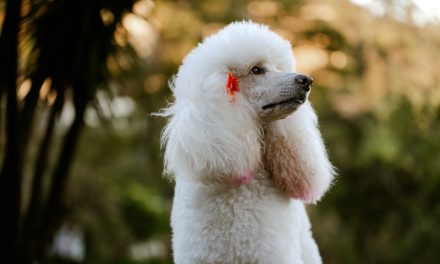
Thick and curly coats are characteristic of several dog breeds, each exhibiting unique traits that necessitate specific grooming approaches. Breeds such as Poodles, Bichon Frises, and Portuguese Water Dogs possess dense, curly fur that requires regular maintenance to prevent matting. These coats are often hypoallergenic, making them suitable for allergy sufferers; however, they demand diligent grooming to keep them in optimal condition.
Understanding the specific characteristics of a dog’s coat is vital for effective grooming. For instance, Poodles have a soft undercoat that can easily become matted if not brushed regularly. In contrast, breeds like the Old English Sheepdog have a more robust outer coat that may require different tools and techniques for effective grooming. Recognizing these distinctions allows pet owners to tailor their grooming strategies to meet the unique needs of their canine companions.
Essential Tools for Line Brushing Thick and Curly Fur

To effectively perform line brushing on thick and curly coats, several essential tools are required. A high-quality slicker brush is paramount; its fine bristles penetrate deep into the coat, effectively removing tangles and debris while distributing natural oils. Additionally, a wide-toothed comb is invaluable for detangling larger knots without causing discomfort to the dog.
Other useful tools include dematting combs and grooming gloves, which can help in loosening stubborn mats while providing a gentle touch. A good pair of scissors may also be necessary for trimming away any particularly troublesome areas. Investing in high-quality grooming tools not only enhances the efficiency of the grooming process but also ensures the comfort and safety of the dog during line brushing sessions.
Preparing Your Dog for a Comfortable Grooming Session

Preparation is key to ensuring a successful grooming session for both the dog and the owner. Begin by creating a calm environment; choose a quiet space free from distractions where your dog feels secure. It may be beneficial to introduce grooming tools gradually, allowing your dog to become familiar with their presence before starting the actual brushing process.
Additionally, consider using positive reinforcement techniques to create a pleasant association with grooming. Treats, praise, and gentle petting can help alleviate any anxiety your dog may have about being brushed. Ensuring that your dog is comfortable and relaxed will significantly enhance the effectiveness of line brushing and make the experience enjoyable for both parties.
Step-by-Step Guide to Line Brushing Technique
The line brushing technique involves several systematic steps to ensure thorough grooming without causing discomfort to the dog. Begin by sectioning the coat into manageable parts; this can be done by dividing the fur into quadrants or smaller sections depending on the dog’s size. Start at the base of each section, using the slicker brush to gently work through tangles while moving in the direction of hair growth.
Once you have brushed through each section with the slicker brush, follow up with a wide-toothed comb to ensure that all tangles have been removed. This two-step process not only helps in detangling but also promotes even distribution of natural oils throughout the coat. Be sure to check for any signs of skin irritation or parasites during this process, as early detection can prevent more serious issues down the line.
Tips for Detangling and Removing Mats Safely
Detangling thick and curly fur can be challenging, especially when dealing with mats that have formed close to the skin. To safely remove mats without causing pain or discomfort, it is essential to approach them with patience and care. Begin by using your fingers to gently separate the mat from the surrounding fur; this can help loosen it before using any tools.
When using a dematting comb or slicker brush on mats, always start from the outer edges and work your way inward. This technique minimizes pulling on the skin and reduces discomfort for your dog. If a mat proves particularly stubborn, consider using a detangling spray formulated specifically for dogs; these products can help soften mats and make them easier to remove.
Maintaining Coat Health Between Grooming Sessions
Maintaining coat health between grooming sessions is crucial for preventing matting and skin issues. Regularly checking your dog’s coat for tangles or debris can help catch problems early before they escalate into more significant issues. Additionally, incorporating regular baths into your dog’s routine can help keep their coat clean and free from dirt buildup.
Using high-quality dog shampoos and conditioners designed for thick or curly coats can enhance coat health significantly. These products often contain moisturizing agents that help maintain hydration levels in the fur, preventing dryness and brittleness. Furthermore, regular exercise can promote healthy skin by improving circulation and overall well-being.
Common Challenges and How to Overcome Them
Grooming thick and curly coats presents several challenges that pet owners must navigate effectively. One common issue is resistance from the dog during grooming sessions; many dogs may become anxious or fidgety when they sense grooming tools approaching. To overcome this challenge, it is essential to establish a routine that includes short grooming sessions followed by positive reinforcement.
Another challenge is dealing with severe matting that may require professional intervention. In such cases, it is crucial to recognize when home grooming efforts are insufficient and seek assistance from a professional groomer who specializes in thick or curly coats. Professional groomers possess advanced skills and tools that can safely address severe matting without causing harm to the dog.
When to Seek Professional Grooming Assistance
While many pet owners can manage routine grooming tasks at home, there are instances when seeking professional assistance becomes necessary. If your dog exhibits extreme anxiety during grooming sessions or if you encounter persistent mats that cannot be safely removed at home, it may be time to consult a professional groomer.
Additionally, certain breeds may require specialized grooming techniques that are best handled by experienced professionals. For example, show dogs often need precise grooming to meet breed standards; in such cases, enlisting the help of a groomer with expertise in competitive grooming can ensure your dog looks its best.
Benefits of Regular Line Brushing for Your Dog’s Coat
Regular line brushing offers numerous benefits beyond mere aesthetics; it plays an integral role in maintaining overall coat health. By preventing matting and tangling, line brushing reduces the risk of skin irritations caused by trapped debris or moisture. Furthermore, this technique promotes healthy oil distribution throughout the coat, enhancing its shine and texture.
Additionally, regular grooming sessions provide an opportunity for pet owners to inspect their dogs for signs of skin issues or parasites such as fleas or ticks. Early detection of these problems can lead to prompt treatment, ensuring your dog’s continued health and comfort.
Creating a Grooming Routine Tailored to Your Dog’s Needs
Establishing a tailored grooming routine is essential for meeting your dog’s specific needs based on their breed characteristics and lifestyle. Consider factors such as coat type, activity level, and any existing skin conditions when designing your routine. For instance, dogs with thick coats may require more frequent brushing sessions compared to those with shorter fur.
Incorporating regular baths into your routine can also enhance coat health; however, be mindful not to over-bathe as this can strip natural oils from the skin. Aim for a balanced approach that includes both grooming and bathing while allowing flexibility based on your dog’s individual requirements.
In summary, line brushing is an essential grooming technique that promotes coat health and comfort for dogs with thick or curly fur. Understanding breed characteristics helps tailor grooming strategies effectively while utilizing appropriate tools ensures successful outcomes. Preparing your dog for grooming sessions fosters a positive experience, while maintaining coat health between appointments prevents issues from arising. Regular line brushing not only enhances appearance but also strengthens the bond between pet owners and their furry companions.
FAQs
What is line brushing for dogs?
Line brushing is a grooming technique specifically designed for dogs with thick and curly coats. It involves brushing the coat in sections or “lines” to ensure that all layers of fur are properly groomed, preventing matting and tangles while promoting a healthy coat.
Why is line brushing important for dogs with thick and curly coats?
Line brushing is crucial for dogs with thick and curly coats because these types of fur are prone to matting and tangling. Regular line brushing helps to remove loose hair, dirt, and debris, while also distributing natural oils throughout the coat, which keeps it healthy and shiny.
How often should I line brush my dog?
The frequency of line brushing depends on the dog’s coat type and lifestyle. Generally, dogs with thick and curly coats should be line brushed at least once a week, while those with more prone-to-matting coats may require brushing several times a week or even daily to maintain a healthy appearance.
What tools are needed for line brushing?
To effectively line brush a dog, you will need a few essential grooming tools, including a slicker brush, a comb, and possibly a dematting tool for tougher tangles. These tools help to reach the undercoat and ensure that all layers of fur are groomed properly.
Can I line brush my dog at home, or should I seek professional help?
Many dog owners can successfully line brush their pets at home with the right tools and techniques. However, if your dog has severe matting or if you are unsure about the grooming process, it may be beneficial to seek professional grooming services to avoid causing discomfort or injury to your dog.