Short-haired dogs, characterized by their sleek and low-maintenance coats, possess unique grooming requirements that differ significantly from their long-haired counterparts. Breeds such as Beagles, Boxers, and Dachshunds exhibit short fur that lies close to the skin, which can lead to specific challenges and advantages in grooming. Understanding these needs is crucial for maintaining their overall health and appearance. Short-haired breeds typically shed less hair, making them appealing to many pet owners; however, they are not entirely free from grooming responsibilities.
The skin of short-haired dogs is often more exposed to environmental elements, making it essential to monitor for irritations or infections. Additionally, these breeds may require regular brushing to remove loose hair and dander, which can accumulate and lead to skin issues if neglected. Owners must also be aware of the potential for allergies and sensitivities that can affect the skin’s health. By recognizing these needs, pet owners can ensure their short-haired companions remain comfortable and healthy.
Essential Grooming Tools for Short-Haired Breeds
To effectively groom short-haired dogs, a selection of specialized tools is necessary. The primary grooming implements include rubber brushes, bristle brushes, and grooming gloves. Rubber brushes are particularly effective for removing loose hair while simultaneously massaging the skin, promoting circulation and overall coat health. Bristle brushes help distribute natural oils throughout the coat, enhancing shine and luster.
In addition to brushes, grooming gloves can be a valuable asset for short-haired breeds. These gloves allow for a gentle grooming experience while providing a bonding opportunity between the owner and the dog. Other essential tools include nail clippers, ear cleaning solutions, and dental care products. Each of these tools plays a vital role in maintaining the dog’s hygiene and overall well-being.
How Often Should You Groom a Short-Haired Dog?

The frequency of grooming short-haired dogs largely depends on the individual dog’s lifestyle, health, and coat condition. Generally, a routine grooming schedule should be established every 1 to 2 weeks. This regularity allows for the removal of loose hair and dander while also providing an opportunity to inspect the skin for any abnormalities or irritations.
For active dogs that spend considerable time outdoors, more frequent grooming may be necessary to remove dirt and debris that can accumulate in their coats. Conversely, dogs that lead a more sedentary lifestyle may require less frequent grooming. Ultimately, pet owners should assess their dog’s specific needs and adjust their grooming routine accordingly to ensure optimal coat health.
Step-by-Step Brushing Techniques for a Healthy Coat

Brushing short-haired dogs requires a systematic approach to ensure thorough coverage and effective removal of loose hair. Begin by selecting an appropriate brush based on the dog’s coat type. For most short-haired breeds, a rubber brush or bristle brush will suffice. Start at the neck and work your way down the body in the direction of hair growth.
Use gentle strokes to avoid causing discomfort or irritation to the skin. Pay special attention to areas prone to matting or tangling, such as behind the ears and under the legs. Regularly check the brush for accumulated hair and debris, cleaning it as needed to maintain its effectiveness. After brushing, inspect the dog’s skin for any signs of redness or irritation, which may indicate underlying issues requiring veterinary attention.
Bathing Your Short-Haired Dog: Tips and Frequency
Bathing is an essential aspect of grooming that helps maintain cleanliness and hygiene in short-haired dogs. However, excessive bathing can strip natural oils from the skin, leading to dryness and irritation. It is generally recommended to bathe short-haired breeds every 4 to 6 weeks unless they become particularly dirty or develop an odor.
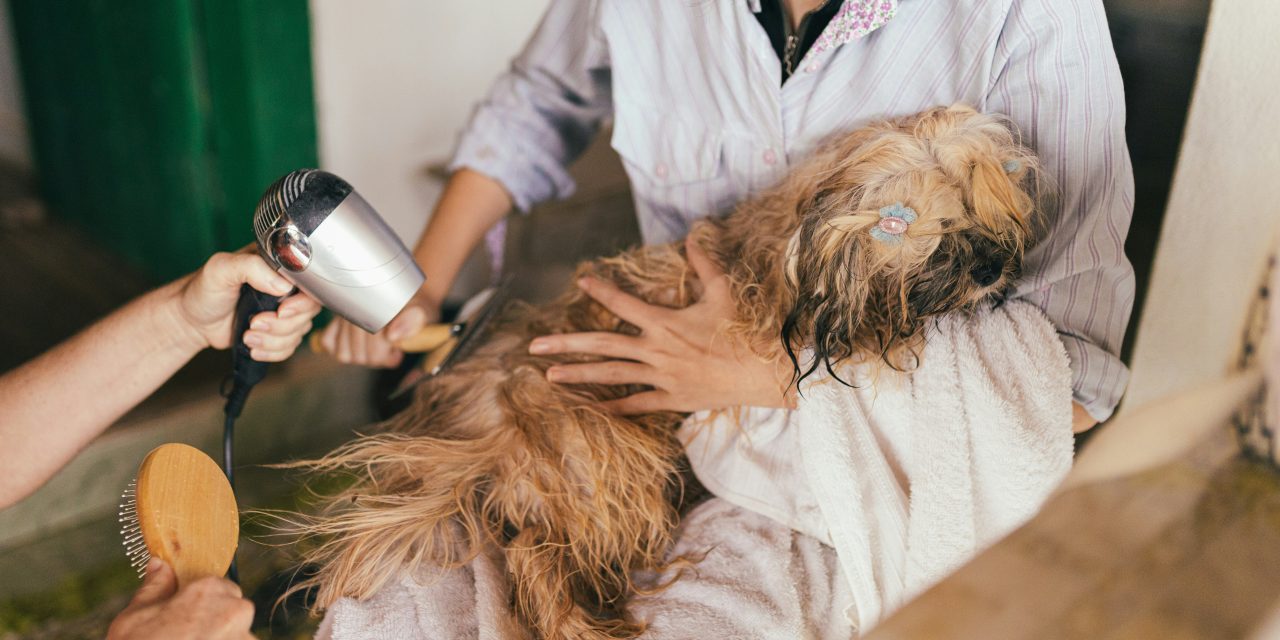
When preparing for a bath, gather all necessary supplies, including shampoo, towels, and a non-slip mat for safety. Use lukewarm water to ensure comfort during the bathing process. Wet the dog’s coat thoroughly before applying a suitable shampoo designed for canine use. Gently massage the shampoo into the coat, taking care to avoid contact with the eyes and ears.
After rinsing thoroughly, dry the dog with a towel or allow them to air dry in a warm environment. For dogs that enjoy water, consider using a handheld showerhead or sprayer for easier rinsing. Bathing not only keeps the coat clean but also provides an opportunity for bonding between owner and pet.
Choosing the Right Shampoo and Conditioner
Selecting an appropriate shampoo and conditioner is crucial for maintaining the health of a short-haired dog’s coat. Opt for products specifically formulated for dogs rather than human shampoos, as canine skin has different pH levels that require specialized care. Look for shampoos containing natural ingredients such as oatmeal or aloe vera, which can soothe irritated skin and provide moisture.
Conditioners can also be beneficial in promoting coat health by adding hydration and reducing static cling. When choosing a conditioner, select one that complements the shampoo used during bathing. Always perform a patch test before applying new products to ensure there are no adverse reactions.
Nail Trimming and Paw Care for Short-Haired Dogs
Nail trimming is an essential component of grooming that should not be overlooked in short-haired breeds. Overgrown nails can lead to discomfort and mobility issues, making regular trimming necessary for maintaining optimal paw health. It is advisable to trim nails every 3 to 4 weeks or as needed based on growth rates.
When trimming nails, use high-quality clippers designed specifically for dogs to ensure safety and precision. Be cautious not to cut into the quick—the sensitive area containing blood vessels— as this can cause pain and bleeding. If unsure about nail trimming techniques, consult with a professional groomer or veterinarian for guidance.
In addition to nail care, regular inspection of paw pads is essential for detecting any signs of injury or irritation. Keep paw pads clean by wiping them after walks and consider using paw balm during harsh weather conditions to protect against cracking or dryness.
Ear Cleaning and Dental Hygiene Basics
Ear cleaning is another critical aspect of grooming that should not be neglected in short-haired dogs. Regularly inspecting and cleaning the ears helps prevent infections caused by excess wax buildup or moisture retention. Use a veterinarian-recommended ear cleaning solution and cotton balls or pads to gently clean the outer ear canal without inserting anything deep into the ear.
Dental hygiene is equally important for maintaining overall health in short-haired breeds. Regular brushing with canine toothpaste helps prevent plaque buildup and dental disease. Aim to brush your dog’s teeth at least two to three times per week; however, daily brushing is ideal for optimal oral health.
In addition to brushing, consider incorporating dental chews or toys into your dog’s routine to promote healthy teeth and gums while providing mental stimulation.
Recognizing and Managing Skin Issues
Short-haired dogs are susceptible to various skin issues that can arise from environmental factors or underlying health conditions. Common problems include allergies, dermatitis, hot spots, and parasitic infestations such as fleas or ticks. Pet owners should remain vigilant in monitoring their dog’s skin condition and be aware of any changes in behavior or appearance.
If signs of irritation such as redness, itching, or excessive scratching occur, it is essential to consult with a veterinarian for proper diagnosis and treatment options. Treatment may involve topical medications, antihistamines, or dietary adjustments depending on the underlying cause.
Preventative measures include regular grooming practices that promote skin health and minimize exposure to allergens or irritants in the environment.
Diet and Supplements to Support Coat Health
A balanced diet plays a significant role in maintaining a healthy coat in short-haired dogs. High-quality dog food rich in omega-3 fatty acids promotes skin hydration and enhances coat shine. Ingredients such as fish oil or flaxseed oil can be beneficial additions to your dog’s diet.
In some cases, dietary supplements may be recommended to support coat health further. Omega-3 fatty acid supplements can help reduce inflammation associated with skin conditions while promoting overall wellness. Always consult with a veterinarian before introducing new supplements into your dog’s diet to ensure they are appropriate for your pet’s specific needs.
Establishing a Regular Grooming Routine for Long-Term Success
Establishing a consistent grooming routine is vital for ensuring long-term success in maintaining your short-haired dog’s coat health. Create a schedule that incorporates brushing, bathing, nail trimming, ear cleaning, and dental hygiene into your pet’s regular care regimen.
By adhering to this routine, pet owners can foster a positive grooming experience that strengthens the bond between them and their furry companions while promoting overall well-being. Regular grooming not only enhances appearance but also serves as an opportunity for early detection of potential health issues.
In conclusion, understanding the unique needs of short-haired dogs is essential for effective grooming practices that promote overall health and well-being. By utilizing appropriate tools, establishing a consistent routine, and addressing specific grooming tasks such as bathing and nail trimming, pet owners can ensure their canine companions remain happy and healthy throughout their lives.
### FAQ Section
1. **How often should I groom my short-haired dog?**
– Generally every 1-2 weeks; however, adjust based on your dog’s activity level.
2. **What tools do I need for grooming?**
– Essential tools include rubber brushes, bristle brushes, grooming gloves, nail clippers, ear cleaning solutions, and dental care products.
3. **Can I use human shampoo on my dog?**
– No; always use dog-specific shampoos formulated for canine skin pH levels.
4. **How do I know if my dog has skin issues?**
– Look for signs such as redness, itching, excessive scratching, or changes in coat texture.
5. **What should I do if my dog has bad breath?**
– Regular dental care through brushing or dental chews can help; consult your vet if issues persist.
6. **Are there specific diets that promote coat health?**
– Diets rich in omega-3 fatty acids from sources like fish oil support skin hydration and coat shine.
7. **How do I clean my dog’s ears safely?**
– Use veterinarian-recommended ear cleaning solutions with cotton balls; avoid inserting anything deep into the ear canal.
8. **What if my dog doesn’t like being groomed?**
– Gradually acclimate them through positive reinforcement techniques; make grooming sessions enjoyable with treats or praise.
9. **How can I prevent my dog from developing hot spots?**
– Maintain regular grooming practices; keep your dog’s environment clean; address any underlying allergies promptly.
10. **Is it necessary to take my dog to a professional groomer?**
– While many owners can manage basic grooming at home, professional groomers can provide specialized services if needed.
In summary, caring for short-haired dogs involves understanding their unique grooming needs while implementing effective practices that promote overall health and well-being through regular maintenance routines tailored specifically for their coats.
FAQs
What tools are essential for grooming a short-haired dog?
Essential tools for grooming a short-haired dog include a rubber grooming mitt or brush, a fine-toothed comb, nail clippers, and a dog-specific shampoo. The grooming mitt helps remove loose hair and dirt, while the comb can help with any tangles or mats. Nail clippers are necessary for maintaining nail health, and a good shampoo keeps the coat clean and healthy.
How often should I groom my short-haired dog?
Short-haired dogs typically require grooming every 4 to 6 weeks. However, regular brushing can be done weekly to remove loose hair and dirt. Bathing should be done as needed, usually every 1 to 3 months, depending on the dog’s activity level and coat condition.
What is the best way to bathe a short-haired dog?
The best way to bathe a short-haired dog is to use lukewarm water and a dog-specific shampoo. Wet the dog thoroughly, apply the shampoo, and massage it into the coat, avoiding the eyes and ears. Rinse thoroughly to remove all shampoo residue, and dry the dog with a towel or a pet-safe blow dryer on a low setting.
How can I maintain my dog’s coat between grooming sessions?
To maintain your dog’s coat between grooming sessions, regularly brush them to remove loose hair and dirt. Additionally, check for any skin irritations or parasites, and keep their living area clean. Providing a balanced diet rich in omega fatty acids can also promote a healthy coat.
Are there specific dietary needs for maintaining a short-haired dog’s coat?
Yes, a balanced diet that includes high-quality protein and omega fatty acids is essential for maintaining a short-haired dog’s coat. Foods rich in omega-3 and omega-6 fatty acids, such as fish oil or flaxseed oil, can help keep the coat shiny and healthy. Always consult with a veterinarian for specific dietary recommendations based on your dog’s needs.