Maintaining proper hygiene for dogs is crucial for their overall health and well-being. Just like humans, dogs can suffer from various skin conditions, infections, and unpleasant odors if not groomed regularly. Proper hygiene not only enhances a dog’s appearance but also contributes significantly to their physical health. Regular grooming helps in the early detection of potential health issues such as skin irritations, parasites, or lumps that may require veterinary attention. Furthermore, a clean dog is less likely to attract pests like fleas and ticks, which can lead to more severe health complications.
In addition to physical health benefits, proper hygiene plays a vital role in a dog’s mental well-being. Dogs are social animals, and their interactions with humans and other pets can be influenced by their cleanliness. A well-groomed dog is often more comfortable in social settings, leading to improved behavior and reduced anxiety. Moreover, regular grooming sessions can strengthen the bond between the pet and owner, creating a positive experience that fosters trust and affection.
Signs Your Dog Needs a Bath Versus a Quick Freshen-Up
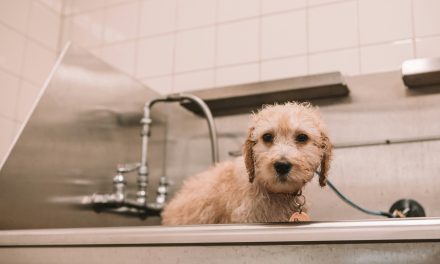
Recognizing when your dog requires a full bath versus a simple freshening-up is essential for maintaining their hygiene without overdoing it. A full bath is typically warranted when your dog has rolled in something unpleasant, such as mud or feces, or if they have developed an odor that cannot be masked by brushing alone. Additionally, if your dog has been swimming in a lake or ocean, a thorough wash is necessary to remove chlorine or saltwater residues that can irritate their skin.
On the other hand, a quick freshen-up may suffice if your dog has merely been lounging around the house or has accumulated minor dirt and debris. Spot cleaning with dog-friendly wipes or using dry shampoo can effectively eliminate surface dirt and odors without the need for a full bath. Observing your dog’s coat condition and smell will help you determine the appropriate grooming approach, ensuring that you do not strip their coat of essential oils through excessive bathing.
Choosing the Right Grooming Tools for Daily Maintenance
Selecting appropriate grooming tools is fundamental for effective daily maintenance of your dog’s hygiene. Essential tools include brushes, combs, nail clippers, and grooming gloves. The type of brush you choose should depend on your dog’s coat type; for instance, slicker brushes are ideal for long-haired breeds, while bristle brushes work well for short-haired dogs. Additionally, using a comb can help detangle knots and remove debris from the coat.
Nail clippers are another critical component of grooming. Regular nail trimming prevents discomfort and potential injuries caused by overgrown nails. It is advisable to invest in high-quality clippers designed specifically for dogs to ensure safety and ease of use. Grooming gloves can also be beneficial for removing loose fur while providing a gentle massage that dogs often enjoy. By equipping yourself with the right tools, you can streamline the grooming process and enhance your dog’s overall hygiene.
Using Dog-Friendly Wipes for Spot Cleaning
Dog-friendly wipes are an excellent solution for quick spot cleaning between baths. These wipes are formulated to be safe for canine use and can effectively remove dirt, debris, and odors from your dog’s coat. They are particularly useful for cleaning sensitive areas such as the face, paws, and underbelly where dirt tends to accumulate. The convenience of wipes allows pet owners to maintain hygiene without the hassle of a full bathing routine.
When selecting wipes, it is essential to choose those that are free from harsh chemicals and fragrances that could irritate your dog’s skin. Look for hypoallergenic options that contain natural ingredients like aloe vera or chamomile to soothe the skin while cleaning. Regular use of dog-friendly wipes can help keep your pet looking fresh and clean while minimizing the risk of skin irritations caused by dirt buildup.
The Benefits of Dry Shampoo for Dogs
Dry shampoo is an innovative grooming product designed specifically for dogs that can provide numerous benefits when used appropriately. This product is particularly advantageous for dogs that may be fearful of water or those who require frequent cleaning due to their lifestyle or coat type. Dry shampoo works by absorbing excess oils and dirt from the coat without the need for rinsing, making it an efficient option for busy pet owners.
In addition to its convenience, dry shampoo can also help maintain a healthy coat by preventing matting and tangling. Many formulations contain ingredients that promote skin health and add shine to the fur. When applying dry shampoo, it is crucial to follow the manufacturer’s instructions carefully to ensure optimal results. Regular use can keep your dog smelling fresh and looking clean between baths while minimizing stress associated with traditional bathing methods.
Brushing Techniques to Remove Dirt and Loose Fur
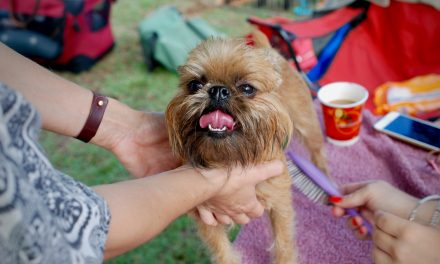
Effective brushing techniques are essential for removing dirt and loose fur from your dog’s coat while promoting healthy skin. Start by selecting the appropriate brush based on your dog’s coat type; slicker brushes work well for long-haired breeds, while bristle brushes are suitable for short-haired dogs. Begin brushing at the neck and work your way down to the tail, using gentle strokes to avoid causing discomfort.
For dogs with thick or curly coats, it may be beneficial to use a comb after brushing to ensure all tangles are removed. Pay special attention to areas prone to matting, such as behind the ears and under the legs. Regular brushing not only removes dirt but also distributes natural oils throughout the coat, enhancing its shine and overall health. Establishing a consistent brushing routine will help keep your dog’s coat clean and free from debris.
Keeping Your Dog’s Ears and Paws Clean Between Baths
Maintaining cleanliness in your dog’s ears and paws is crucial for preventing infections and discomfort. Ears should be checked regularly for wax buildup or debris; using a veterinarian-recommended ear cleaner can help keep them clean without causing irritation. Gently wipe the outer ear with a cotton ball soaked in the cleaner, avoiding deep insertion into the ear canal.
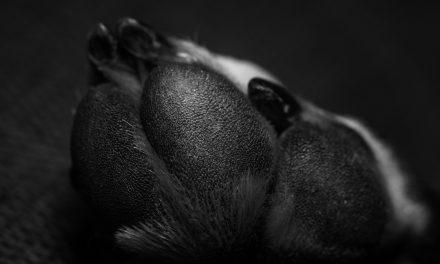
Paw care is equally important as dogs’ paws are often exposed to dirt, allergens, and irritants during walks. After outdoor activities, inspect your dog’s paws for any debris lodged between their toes or pads. Wiping their paws with dog-friendly wipes can help remove dirt and allergens that may cause irritation or allergic reactions. Additionally, consider using paw balm during harsh weather conditions to protect against cracking or dryness.
Maintaining a Healthy Coat with Regular Conditioning
Regular conditioning is vital for maintaining a healthy coat in dogs, especially those with long or thick fur. Conditioning products help restore moisture and nourishment to the coat while preventing tangles and matting. When selecting a conditioner, look for formulations specifically designed for dogs that contain natural ingredients such as oatmeal or coconut oil to soothe the skin.
To apply conditioner effectively, first bathe your dog with a suitable shampoo, then rinse thoroughly before applying the conditioner evenly throughout the coat. Allow it to sit for several minutes before rinsing again to ensure maximum absorption of nutrients. Incorporating conditioning into your grooming routine will enhance your dog’s coat’s overall appearance while promoting skin health.
Managing Odors Naturally with Homemade Remedies
Managing odors in dogs can be achieved through various natural remedies that are safe and effective. One popular method involves creating a homemade spray using equal parts water and apple cider vinegar; this mixture can neutralize odors while providing antibacterial properties. Simply spray it onto your dog’s coat while avoiding sensitive areas like the eyes and nose.
Another effective remedy includes baking soda; sprinkling it on your dog’s bedding or directly onto their coat can absorb odors effectively. Allow it to sit for about 15 minutes before brushing it out thoroughly. These natural solutions not only help manage odors but also reduce reliance on commercial products that may contain harsh chemicals.
When to Consult a Veterinarian About Skin Issues
While regular grooming can prevent many skin issues in dogs, certain signs warrant immediate veterinary consultation. If you notice persistent itching, redness, swelling, or unusual discharge from your dog’s skin or ears, it may indicate an underlying condition such as allergies or infections that require professional evaluation. Additionally, if you observe any lumps or bumps on your dog’s skin that change in size or appearance, seeking veterinary advice is crucial.
Veterinarians can perform diagnostic tests to determine the cause of skin issues and recommend appropriate treatments tailored to your dog’s specific needs. Early intervention is key in managing skin conditions effectively; therefore, being vigilant about changes in your dog’s skin health is essential for their overall well-being.
Creating a Consistent Grooming Routine for Long-Term Freshness
Establishing a consistent grooming routine is vital for maintaining long-term freshness in your dog’s hygiene regimen. Aim to groom your dog at least once a week, incorporating brushing, ear cleaning, and paw inspections into each session. Depending on your dog’s breed and activity level, you may need to adjust this frequency accordingly.
Incorporating grooming into your dog’s daily routine not only promotes cleanliness but also strengthens the bond between you and your pet. Consider rewarding your dog with treats or praise during grooming sessions to create positive associations with the process. By committing to regular grooming practices, you will ensure that your dog remains healthy, happy, and fresh throughout their life.
In summary, proper dog hygiene is essential for maintaining overall health and well-being while enhancing social interactions with humans and other pets. Recognizing when your dog needs a bath versus a quick freshen-up allows you to tailor grooming practices effectively. Choosing appropriate grooming tools ensures efficient maintenance while utilizing dog-friendly wipes and dry shampoos provides convenient solutions between baths. Regular brushing techniques promote cleanliness while keeping ears and paws clean prevents infections. Conditioning maintains coat health while homemade remedies manage odors naturally. Consulting a veterinarian about skin issues ensures timely intervention when necessary, while establishing a consistent grooming routine fosters long-term freshness in your beloved canine companion.
FAQs
How often should I bathe my dog?
Most dogs should be bathed every 4 to 6 weeks, but this can vary based on their breed, coat type, and lifestyle. Dogs with oily coats or those that spend a lot of time outdoors may require more frequent baths, while dogs with dry skin may need less frequent bathing.
What are some alternatives to bathing my dog?
Alternatives to bathing include using dry shampoos, pet wipes, or grooming sprays designed to freshen up your dog’s coat. Regular brushing can also help remove dirt and debris, keeping your dog clean between baths.
Can I use human shampoo on my dog?
No, it is not recommended to use human shampoo on dogs as it can disrupt their skin’s natural pH balance and lead to irritation. Always use a shampoo specifically formulated for dogs to ensure their skin and coat remain healthy.
How can I keep my dog’s coat fresh between baths?
To keep your dog’s coat fresh, regularly brush them to remove loose hair and dirt, use pet wipes for spot cleaning, and consider using a pet-safe deodorizing spray. Additionally, maintaining a clean living environment can help reduce odors.
What signs indicate that my dog needs a bath?
Signs that your dog may need a bath include a noticeable odor, greasy or dirty fur, excessive scratching or itching, and visible dirt or debris in their coat. If your dog has rolled in something unpleasant, a bath may be necessary sooner than usual.