Freezing fresh vegetables is an effective method for preserving their nutritional value, flavor, and texture. This process allows individuals to enjoy seasonal produce year-round, minimizing waste and maximizing convenience. When vegetables are frozen shortly after harvest, they retain essential vitamins and minerals, making them a viable alternative to fresh produce, especially during off-seasons. For instance, studies indicate that frozen vegetables can contain similar, if not superior, nutrient levels compared to their fresh counterparts that may have been stored for extended periods.
Moreover, freezing vegetables can significantly reduce food spoilage. According to the USDA, approximately 30-40% of the food supply in the United States is wasted, with a substantial portion attributed to fresh produce. By freezing vegetables, consumers can extend their shelf life and reduce the frequency of grocery shopping trips. This not only saves money but also contributes to a more sustainable lifestyle by minimizing food waste.
Selecting the Best Vegetables for Freezing
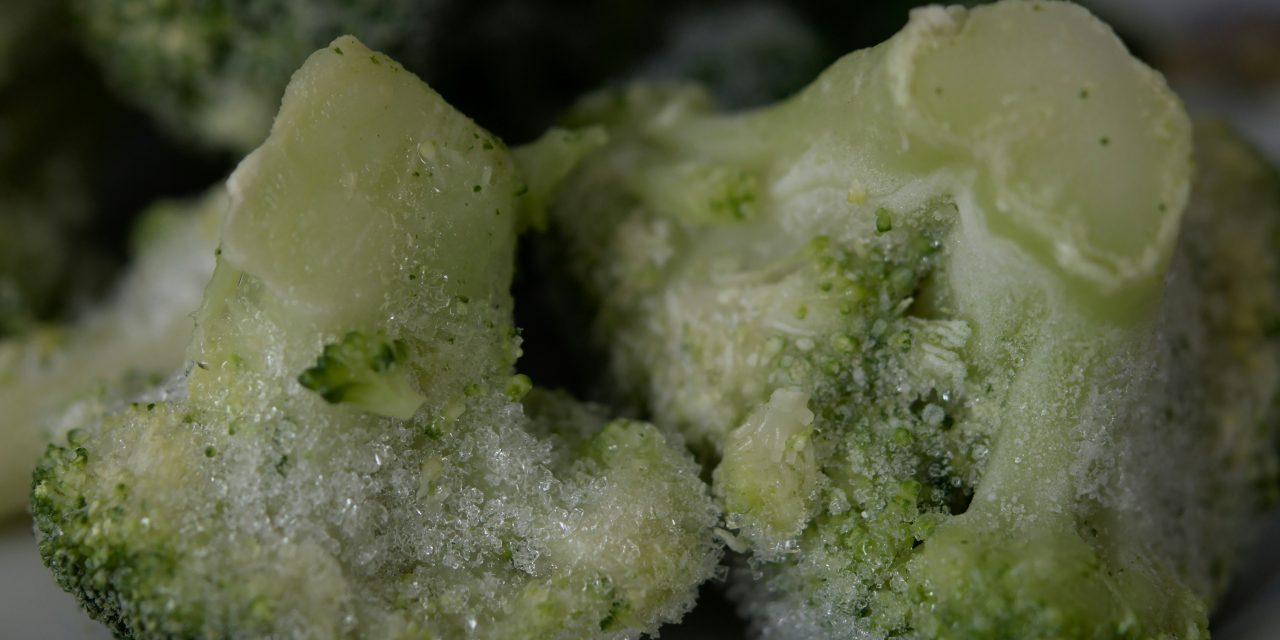
When it comes to freezing vegetables, not all varieties are created equal. Certain vegetables freeze better than others due to their water content and cellular structure. Ideal candidates for freezing include green beans, peas, corn, broccoli, and carrots. These vegetables maintain their texture and flavor after thawing, making them excellent choices for long-term storage.
Conversely, some vegetables do not freeze well due to their high water content or tendency to become mushy upon thawing. For example, cucumbers, lettuce, and radishes are best enjoyed fresh and should be avoided for freezing. Additionally, it is crucial to select high-quality produce for freezing; vegetables should be ripe but not overripe, as this can affect the final product’s taste and texture.
Preparing Vegetables: Washing and Trimming Tips

Preparation is key to ensuring that frozen vegetables maintain their quality. Begin by thoroughly washing all vegetables under cold running water to remove dirt, pesticides, and any potential contaminants. A vegetable brush can be used for firmer produce like potatoes or carrots to ensure a thorough clean.
After washing, trimming is essential. Remove any inedible parts such as stems, leaves, or blemished areas. For instance, when preparing green beans, trim the ends and discard any damaged pods. For leafy greens like spinach or kale, remove tough stems and any yellowing leaves. Proper preparation not only enhances the quality of the frozen product but also ensures that the final dish is visually appealing.
Blanching: Why It’s Essential for Texture Preservation

Blanching is a critical step in the freezing process that involves briefly boiling vegetables before plunging them into ice water. This technique serves multiple purposes: it halts enzyme activity that can lead to loss of flavor, color, and texture during storage. Additionally, blanching helps to preserve the vibrant colors of vegetables and reduces the risk of microbial growth.
The process also softens the cell walls of vegetables slightly, making them more palatable when cooked later. For example, blanching broccoli for a few minutes before freezing helps maintain its bright green color and crisp texture when reheated. Skipping this step can result in a less desirable product that may lose its nutritional value over time.
Proper Blanching Times for Different Vegetables
Each type of vegetable requires specific blanching times to achieve optimal results. Over-blanching can lead to nutrient loss and a mushy texture, while under-blanching may not effectively halt enzyme activity. Here are some recommended blanching times for common vegetables:
– Green Beans: 3 minutes
– Broccoli: 3 minutes
– Carrots (sliced): 2 minutes
– Peas: 2 minutes
– Corn (kernels): 4 minutes
It is essential to use a timer during this process to ensure accuracy. After blanching, immediately transfer the vegetables to an ice bath to stop the cooking process effectively.
Cooling and Draining After Blanching
Once blanching is complete, cooling the vegetables quickly is crucial to preserving their quality. Transfer them immediately into a bowl filled with ice water for at least as long as they were blanched. This rapid cooling process prevents further cooking and helps maintain the desired texture.
After cooling, drain the vegetables thoroughly using a colander or strainer. Excess moisture can lead to ice crystals forming during freezing, which can negatively impact texture upon thawing. Patting the vegetables dry with a clean kitchen towel can also help remove any remaining moisture before packaging.
Choosing the Right Freezing Containers and Bags
Selecting appropriate containers or bags for freezing is vital for maintaining the quality of your vegetables. Airtight containers made from glass or plastic are excellent choices as they prevent moisture loss and protect against freezer burn. Alternatively, heavy-duty freezer bags are also effective; they are designed specifically for freezing purposes and take up less space in the freezer.
When using bags, ensure they are labeled as freezer-safe to avoid any potential issues with material degradation at low temperatures. It is advisable to choose containers that are suitable for the quantity of vegetables being frozen; overfilling can lead to uneven freezing and compromised quality.
Removing Air to Prevent Freezer Burn
Freezer burn occurs when air comes into contact with food in the freezer, leading to dehydration and oxidation. To prevent this phenomenon, it is essential to remove as much air as possible from containers or bags before sealing them. For freezer bags, use a straw to suck out excess air or employ a vacuum sealer if available.
For rigid containers, leave minimal headspace at the top but ensure they are tightly sealed with lids. Properly packaged vegetables will retain their flavor and texture longer while minimizing the risk of freezer burn.
Labeling and Dating Your Frozen Vegetables
Labeling frozen vegetables is an often-overlooked step that can significantly enhance organization in your freezer. Use waterproof markers or labels to indicate the contents and date of freezing on each container or bag. This practice allows you to keep track of how long items have been stored and helps prioritize usage based on freshness.
Most frozen vegetables maintain optimal quality for about 8-12 months; however, they remain safe indefinitely if kept at a consistent temperature of 0°F (-18°C). Regularly checking your inventory can help prevent waste and ensure you consume older items first.
Best Practices for Thawing Frozen Vegetables
Thawing frozen vegetables requires careful consideration to maintain their quality and safety. The safest method is to transfer them from the freezer to the refrigerator for several hours or overnight before cooking. This gradual thawing process helps preserve texture and flavor.
Alternatively, frozen vegetables can be cooked directly from frozen without thawing; this method is particularly effective for stir-frying or steaming. If using a microwave for quick thawing, ensure even heating by stirring occasionally and avoid cooking them too long as this can lead to loss of texture.
Tips for Cooking Frozen Vegetables to Maintain Texture
Cooking frozen vegetables requires specific techniques to ensure they retain their desirable texture and flavor profile. Steaming or sautéing are preferred methods as they allow for even cooking without excessive moisture loss. When sautéing, use a hot pan with minimal oil to quickly cook the vegetables while preserving their crispness.
Avoid boiling frozen vegetables as this method can lead to mushiness due to excess water absorption. If using them in soups or stews, add them towards the end of cooking time to prevent overcooking while still allowing them to heat through adequately.
In summary, freezing fresh vegetables offers numerous benefits including extended shelf life and preservation of nutrients. Selecting suitable varieties, proper preparation techniques such as washing and blanching, along with effective packaging methods are crucial steps in this process. By following best practices for thawing and cooking frozen produce, individuals can enjoy high-quality meals year-round while minimizing food waste and maximizing convenience in their kitchens.
FAQs
What is the best way to prepare fresh vegetables for freezing?
To prepare fresh vegetables for freezing, start by washing them thoroughly to remove any dirt or pesticides. Next, trim, peel, or chop the vegetables as needed. Blanching is an important step; briefly boil the vegetables for a few minutes and then immediately transfer them to ice water to stop the cooking process. This helps preserve color, flavor, and texture before freezing.
How long can frozen vegetables be stored in the freezer?
Frozen vegetables can typically be stored in the freezer for 8 to 12 months while maintaining optimal quality. However, they can remain safe to eat beyond this time frame if kept at a consistent freezing temperature, though the texture and flavor may deteriorate.
Does freezing affect the texture of vegetables?
Yes, freezing can affect the texture of vegetables. Proper blanching before freezing helps to preserve their texture by inactivating enzymes that can cause deterioration. However, some vegetables may still become softer after thawing. Choosing the right vegetables for freezing, such as peas, corn, and carrots, can help maintain a better texture.
Can I freeze vegetables without blanching them first?
While it is possible to freeze vegetables without blanching, it is not recommended. Blanching helps to preserve the color, flavor, and nutritional value of the vegetables, as well as improve their texture. Freezing without blanching can lead to a loss of quality and may result in off-flavors and undesirable textures.
What is the best method for packaging frozen vegetables?
The best method for packaging frozen vegetables is to use airtight containers or freezer bags. Remove as much air as possible to prevent freezer burn, which can affect the quality of the vegetables. Label the containers or bags with the date and type of vegetable to keep track of storage times.