The enigmatic sound of a cat’s purr has captivated humans for centuries, evoking feelings of warmth and comfort. This unique vocalization is not merely a charming quirk of feline behavior; it is a complex phenomenon that serves multiple purposes in a cat’s life. Purring is often associated with contentment, but its implications extend far beyond mere pleasure. Understanding the intricacies of purring can deepen our appreciation for these remarkable creatures and enhance our relationships with them.
Cats, scientifically classified as Felidae, exhibit a range of vocalizations, but purring stands out due to its soothing quality and frequency. The sound typically ranges between 25 to 150 Hertz, a frequency known to promote healing and relaxation in both cats and humans. This article delves into the multifaceted nature of cat purring, exploring its scientific basis, emotional significance, and implications for health and communication.
The Science Behind Purring: How Cats Produce the Sound
The production of purring is a fascinating physiological process that involves the intricate coordination of various anatomical structures. Cats generate this sound through the rapid contraction and relaxation of their laryngeal muscles, which are located in the voice box. When these muscles contract, they cause a sudden narrowing of the airway, leading to a unique sound as air passes through. This rhythmic cycle occurs during both inhalation and exhalation, resulting in the continuous sound we recognize as purring.
Research indicates that the neural oscillator in a cat’s brain plays a crucial role in regulating this process. This oscillator sends signals to the laryngeal muscles at a consistent frequency, allowing for the characteristic sound of purring. Interestingly, not all felines purr in the same manner; variations exist among species, with domestic cats being among the most proficient purrers. The ability to purr is believed to have evolved as an adaptive trait, providing benefits in various contexts, from communication to self-soothing.
Purring as a Sign of Contentment and Happiness

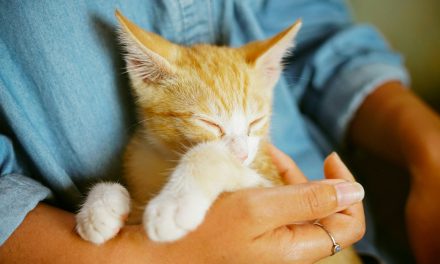
One of the most widely recognized interpretations of purring is its association with contentment and happiness. When a cat curls up beside you, kneads with its paws, and emits a gentle purr, it is often expressing feelings of safety and affection. This behavior is particularly evident during moments of relaxation or when receiving attention from their human companions. The soothing vibrations produced by purring can create a calming atmosphere, fostering a sense of well-being for both the cat and its owner.
Moreover, studies have shown that cats may use purring as a means of reinforcing social bonds. Kittens begin to purr when they are just a few days old, signaling their presence to their mother and facilitating nurturing behaviors. As they grow, this vocalization continues to play a vital role in their interactions with both humans and other cats. Understanding this aspect of purring can enhance our ability to respond to our feline friends’ emotional needs.
When Purring Indicates Stress or Anxiety

While purring is often synonymous with happiness, it can also serve as an indicator of stress or anxiety in certain situations. Cats are known for their sensitivity to environmental changes, and when faced with stressors such as loud noises, unfamiliar surroundings, or changes in routine, they may resort to purring as a coping mechanism. In these instances, the sound may be accompanied by other signs of distress, such as flattened ears, dilated pupils, or excessive grooming.
Recognizing the context in which your cat is purring is essential for understanding its emotional state. For example, if your cat begins to purr while hiding or exhibiting signs of fear, it may be attempting to self-soothe in response to anxiety. In such cases, providing a safe space and minimizing stressors can help alleviate your cat’s discomfort. Observing your cat’s body language alongside its vocalizations can offer valuable insights into its emotional well-being.
Healing Powers: How Purring Helps Cats Heal Themselves
Beyond its emotional implications, purring has been linked to various health benefits for cats. The frequency range of purring—between 25 to 150 Hertz—has been shown to promote healing processes in bones and tissues. Research suggests that these vibrations can stimulate the production of growth factors and aid in the healing of fractures and wounds. This phenomenon has led some veterinarians to consider purring as a natural form of therapy for cats.
Additionally, the act of purring may help reduce pain and inflammation. Cats often purr when they are injured or unwell, potentially as a means of self-medication. The vibrations produced during purring can increase blood circulation and promote relaxation, which may contribute to pain relief. Understanding this aspect of purring underscores the importance of providing comfort and support to our feline companions during times of illness or injury.
Communication Between Cats: Social Purring Explained
Purring serves as an essential form of communication among cats, facilitating social interactions within their species. While humans often interpret purring as a sign of affection or contentment, cats utilize this vocalization in various contexts to convey different messages. For instance, mother cats will often purr to communicate with their kittens, guiding them toward safety and nourishment.
In multi-cat households, social purring can play a role in establishing hierarchies and fostering relationships among feline companions. Cats may use purring to signal submission or appeasement during interactions with other cats. Understanding these nuances can enhance our ability to interpret feline behavior and promote harmonious relationships among multiple pets.
Purring and Bonding: Strengthening the Human-Cat Relationship
The bond between humans and cats is often strengthened through shared experiences and communication methods, including purring. When a cat curls up on your lap and begins to purr, it creates an intimate moment that fosters trust and affection. This interaction not only enhances the emotional connection between pet and owner but also contributes to the overall well-being of both parties.
Engaging with your cat during moments of purring can reinforce positive associations and strengthen your relationship. Activities such as gentle petting or playing can enhance the experience for both you and your feline companion. By recognizing the significance of purring in your cat’s behavior, you can create an environment that nurtures this bond.
Differences in Purring Among Cat Breeds and Ages
Not all cats purr in the same way; variations exist among different breeds and age groups. For instance, some breeds like the Siamese are known for their distinctive vocalizations that may include more pronounced purring sounds compared to others like the Maine Coon. Additionally, younger kittens tend to have softer and higher-pitched purrs than adult cats.
Age also plays a role in how cats utilize purring. Kittens rely heavily on this vocalization for communication with their mothers during their early development stages. As they mature into adulthood, their use of purring may evolve based on their social interactions and environmental experiences. Understanding these differences can provide valuable insights into your cat’s behavior and needs throughout its life stages.
How to Interpret Your Cat’s Purring in Various Situations
Interpreting your cat’s purring requires careful observation of its context and accompanying body language. For example, if your cat is purring while being stroked gently on its back, it likely indicates contentment and enjoyment. Conversely, if your cat is hiding under furniture while emitting soft purrs, it may be experiencing anxiety or fear.
Paying attention to other cues such as tail position, ear orientation, and overall body posture can help you decipher your cat’s emotional state more accurately. By becoming attuned to these signals, you can respond appropriately to your cat’s needs—whether that means providing comfort during stressful times or engaging in play when they are feeling happy.
When to Be Concerned: Purring and Health Issues
While purring is often benign, there are instances when it may signal underlying health issues that warrant attention. If your cat exhibits sudden changes in its purring patterns—such as increased frequency or intensity—accompanied by other concerning symptoms like lethargy or loss of appetite, it may be time to consult a veterinarian.
Conditions such as respiratory infections or dental problems can lead to altered vocalizations in cats. Additionally, if your cat begins to purr excessively while displaying signs of distress or discomfort, it could indicate pain or illness that requires medical evaluation. Being vigilant about changes in your cat’s behavior can help ensure timely intervention when necessary.
Decoding Your Cat’s Purr to Better Understand Their Needs
In conclusion, understanding the multifaceted nature of cat purring enriches our relationship with these remarkable animals. From its scientific basis to its emotional significance and health implications, purring serves as a vital form of communication that reflects a cat’s inner world. By recognizing the nuances of this vocalization—whether it signifies contentment or stress—we can respond more effectively to our feline companions’ needs.
As we decode our cats’ purrs and learn to interpret their meanings within various contexts, we foster deeper connections that enhance their quality of life and our own enjoyment as pet owners. Ultimately, embracing the fascinating world of cat purring allows us to appreciate these creatures on a more profound level while ensuring their well-being throughout their lives.
FAQs
What is the primary reason cats purr?
Cats primarily purr as a form of communication. It is often associated with contentment and relaxation, indicating that a cat feels safe and comfortable in its environment. However, purring can also occur in stressful situations as a self-soothing mechanism.
Can purring indicate that a cat is in pain?
Yes, cats may also purr when they are in pain or feeling unwell. This behavior can serve as a way for them to comfort themselves or signal to their owners that they need attention. It’s important for cat owners to observe other signs of distress or illness alongside purring.
How do cats produce the sound of purring?
Cats produce the sound of purring through the rapid contraction and relaxation of their laryngeal muscles, which causes a sudden change in airflow. This process occurs during both inhalation and exhalation, resulting in the continuous sound of purring.
Is purring unique to domestic cats?
No, purring is not unique to domestic cats. While it is most commonly associated with house cats, several wild cat species, such as cheetahs and cougars, also purr. However, the mechanism and context of purring can vary among different species.
Can purring have health benefits for cats?
Yes, purring may have health benefits for cats. Research suggests that the vibrations produced during purring can promote healing, reduce pain, and even stimulate the production of growth factors. This may explain why cats often purr when they are injured or recovering from illness.