Cats, as obligate carnivores, have evolved to derive a significant portion of their hydration from their prey. However, domesticated felines often do not consume enough water, leading to potential health issues such as urinary tract diseases and kidney dysfunction. The average adult cat requires approximately 50-70 milliliters of water per kilogram of body weight daily. This means that a typical 4 kg (about 9 lbs) cat needs around 200-280 milliliters of water each day. Understanding these hydration needs is crucial for maintaining optimal health and preventing dehydration.
Dehydration can manifest in various ways, including lethargy, dry gums, and decreased skin elasticity. Chronic dehydration can lead to more severe conditions such as acute kidney injury or urinary crystals. Therefore, it is essential for cat owners to monitor their pets’ water intake closely and ensure they have access to fresh, clean water at all times. Recognizing the signs of dehydration and understanding the importance of hydration can significantly enhance your cat’s quality of life.
Common Reasons Cats Avoid Their Water Bowls
Despite the necessity of hydration, many cats exhibit aversion to their water bowls. One common reason is the bowl’s proximity to their food dish. Cats are instinctively wired to avoid drinking near their food source, as this behavior can attract predators in the wild. Additionally, some cats may find their water bowls unappealing due to the presence of food particles or odors that can contaminate the water.
Another factor contributing to this aversion is the bowl’s depth and shape. Cats often prefer shallow dishes that allow them to drink without whisker discomfort. Deep bowls can cause whisker fatigue, leading to reluctance in drinking. Furthermore, certain cats may be sensitive to the sound of water splashing or the reflection of light on the surface, which can deter them from approaching their water source.
The Impact of Water Bowl Material on Cat Preferences

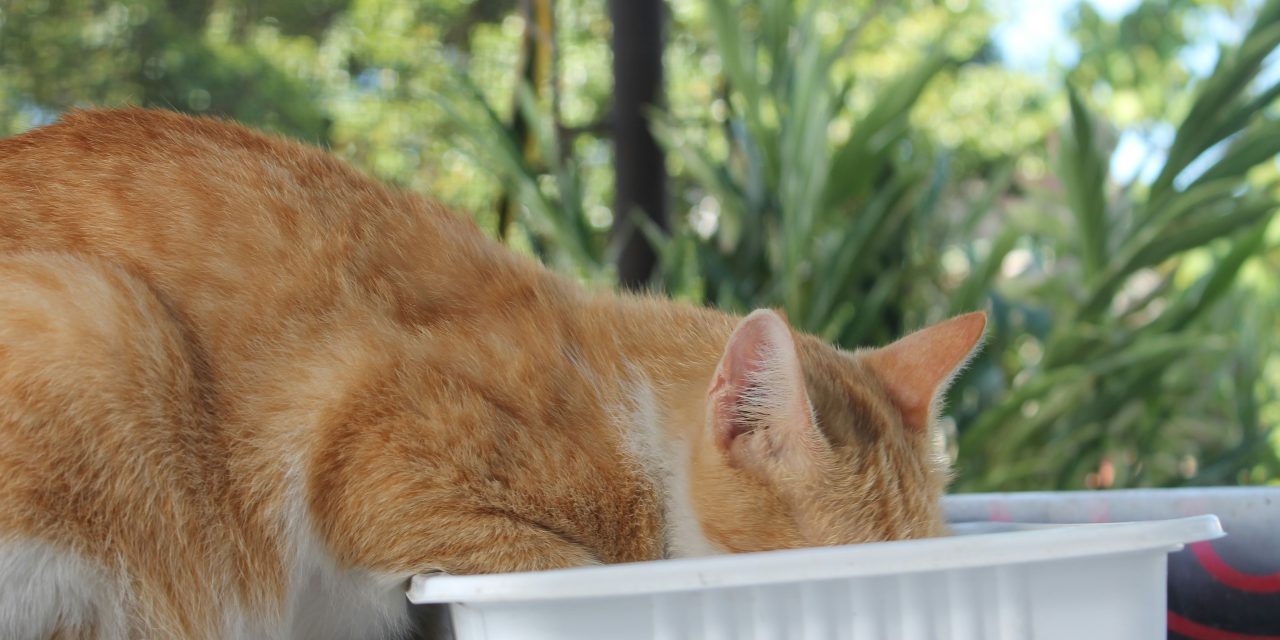
The material of a cat’s water bowl can significantly influence its drinking habits. Common materials include plastic, ceramic, and stainless steel, each with distinct advantages and disadvantages. Plastic bowls are lightweight and inexpensive but can retain odors and harbor bacteria over time, which may deter cats from drinking. Additionally, some cats may develop an allergic reaction to plastic, leading to chin acne or skin irritation.
Ceramic bowls are often favored for their aesthetic appeal and ease of cleaning. They do not retain odors as plastic does and are generally more durable. However, they can be heavy and prone to chipping if dropped. Stainless steel bowls are highly recommended due to their durability, non-porous surface, and resistance to bacteria. They are easy to clean and do not retain odors or flavors, making them an excellent choice for discerning felines.
How Bowl Location Influences Your Cat’s Drinking Habits

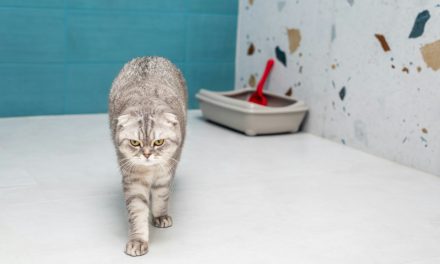
The placement of a cat’s water bowl plays a crucial role in its drinking behavior. Cats are territorial creatures that prefer quiet, low-traffic areas for their resources. Placing the water bowl in a busy area can create stress and anxiety, leading to decreased water intake. Ideally, the bowl should be located away from food dishes and litter boxes to prevent contamination and encourage drinking.
Moreover, some cats may prefer elevated surfaces for their water bowls, as this mimics natural drinking behaviors observed in the wild. Providing multiple water stations throughout the home can also encourage hydration by offering various options for your cat to choose from. Experimenting with different locations can help identify the most appealing spot for your feline friend.
The Role of Water Freshness and Temperature
Water freshness is paramount in encouraging cats to drink more frequently. Stale or dirty water can deter even the thirstiest feline from hydrating adequately. Regularly changing the water and cleaning the bowl can significantly enhance its appeal. Cats are instinctively drawn to fresh sources of water, so ensuring that their bowl is filled with clean water at all times is essential.
Temperature also plays a role in a cat’s drinking habits. Many cats prefer cool water, especially during warmer months. Providing chilled water or ice cubes can entice your cat to drink more frequently. Conversely, during colder months, room temperature water may be more appealing. Observing your cat’s preferences regarding temperature can help tailor their hydration experience.
Signs of Medical Issues Affecting Your Cat’s Thirst
Changes in a cat’s drinking behavior can be indicative of underlying medical issues that require immediate attention. Increased thirst (polydipsia) may signal conditions such as diabetes mellitus or chronic kidney disease (CKD). Conversely, decreased thirst could indicate dehydration or oral health problems such as dental disease or oral tumors.
Other signs that may accompany changes in thirst include increased urination (polyuria), weight loss, vomiting, or lethargy. If you notice any of these symptoms alongside altered drinking habits, it is crucial to consult a veterinarian promptly for a thorough examination and appropriate diagnostic testing.
Behavioral Factors: Stress and Anxiety Around Water Bowls
Stress and anxiety can significantly impact a cat’s willingness to drink water. Environmental changes such as moving homes, introducing new pets, or alterations in routine can create anxiety that affects hydration habits. Cats may associate negative experiences with their water bowls if they feel threatened or uncomfortable in their surroundings.
To mitigate stress-related issues, creating a calm environment is essential. Providing safe spaces where your cat can retreat when feeling anxious can help alleviate stress levels. Additionally, using pheromone diffusers or calming sprays may promote relaxation around feeding and drinking areas.
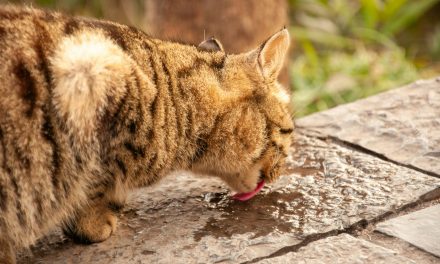
Many cats are instinctively attracted to running water due to its freshness and movement. Water fountains have gained popularity among pet owners as they provide a continuous flow of fresh water that appeals to many felines. The sound of running water can also stimulate a cat’s curiosity and encourage them to drink more frequently.
Fountains come in various designs and materials, offering options for every preference. Some models feature multiple streams or adjustable flow rates, allowing customization based on your cat’s preferences. While fountains require regular cleaning and maintenance, they can significantly enhance hydration levels in cats that are reluctant to drink from traditional bowls.
Tips for Encouraging Your Cat to Drink More Water
Encouraging your cat to drink more water involves several strategies that cater to their preferences and instincts. Here are some effective tips:
1. **Multiple Water Stations**: Place several bowls throughout your home in quiet areas away from food and litter boxes.
2. **Experiment with Materials**: Try different bowl materials (ceramic, stainless steel) to see which your cat prefers.
3. **Freshness Matters**: Change the water daily and clean the bowls regularly to ensure freshness.
4. **Temperature Preferences**: Offer cool water or ice cubes during warmer months.
5. **Interactive Fountains**: Invest in a pet fountain that provides running water.
6. **Flavor Enhancements**: Consider adding low-sodium broth or tuna juice (in moderation) to entice your cat.
7. **Wet Food Options**: Incorporate wet food into your cat’s diet as it contains higher moisture content.
When to Consult a Veterinarian About Your Cat’s Drinking Behavior
Monitoring your cat’s drinking habits is essential for identifying potential health issues early on. If you observe significant changes in thirst—either increased or decreased—accompanied by other concerning symptoms such as weight loss, vomiting, or lethargy, it is crucial to consult a veterinarian promptly.
A veterinarian will conduct a thorough examination and may recommend diagnostic tests such as blood work or urinalysis to determine underlying causes for altered drinking behavior. Early intervention is key in managing conditions like diabetes or kidney disease effectively.
Creating a Cat-Friendly Hydration Environment at Home
Creating an optimal hydration environment for your cat involves considering various factors that influence their drinking habits. Start by selecting appropriate bowls made from safe materials like stainless steel or ceramic and place them in quiet areas away from food sources and litter boxes.
Incorporate multiple water stations throughout your home to provide easy access and encourage exploration. Regularly change the water and clean the bowls to maintain freshness and hygiene. Consider investing in a pet fountain if your cat shows interest in running water.
Additionally, observe your cat’s preferences regarding temperature and location, adjusting accordingly to create an inviting hydration space tailored specifically for them.
In summary, understanding your cat’s hydration needs is vital for maintaining their health and well-being. By addressing common reasons for aversion to water bowls, considering bowl material and location, ensuring freshness and temperature preferences, recognizing signs of medical issues, managing stress factors, exploring the appeal of running water, implementing tips for encouraging hydration, knowing when to consult a veterinarian, and creating a cat-friendly environment at home, you can significantly enhance your feline friend’s hydration habits and overall quality of life.
FAQs
Why might my cat prefer drinking from the faucet instead of its water bowl?
Cats often prefer drinking from running water sources, like faucets, because they instinctively associate moving water with freshness and safety. Stagnant water in a bowl may not seem as appealing to them, as it can harbor bacteria and may not be as clean as flowing water.
Could the type of water bowl affect my cat’s drinking habits?
Yes, the material and design of the water bowl can influence your cat’s willingness to drink. Cats may be sensitive to certain materials, such as metal or plastic, which can impart odors or tastes. Additionally, shallow bowls may not allow them to drink comfortably, while deeper bowls might cause whisker fatigue.
Is my cat’s refusal to drink from its bowl a sign of a health issue?
While not always indicative of a health problem, a sudden change in drinking habits can be a sign of underlying issues, such as dental pain, gastrointestinal problems, or kidney disease. If your cat consistently avoids its water bowl, it’s advisable to consult a veterinarian for a thorough examination.
How can I encourage my cat to drink more water?
To encourage your cat to drink more, consider providing fresh water daily, using a pet water fountain to simulate running water, or experimenting with different bowl materials and shapes. Additionally, incorporating wet food into their diet can help increase their overall water intake.
Does the location of the water bowl matter?
Yes, the placement of the water bowl can significantly impact your cat’s drinking habits. Cats prefer quiet, low-traffic areas away from their food bowl and litter box. Ensuring the water bowl is in a comfortable and accessible location can encourage your cat to drink more frequently.