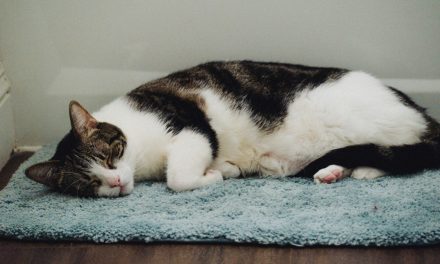
Cats are remarkable creatures, each possessing distinct personalities, preferences, and requirements that contribute to their overall well-being. Understanding these unique needs is paramount for any cat owner, especially when considering hiring a cat sitter. Cats are inherently territorial animals, and any disruption to their routine can lead to stress and anxiety. Therefore, it is essential to recognize their behavioral patterns, dietary preferences, and health considerations. For instance, some cats may require specific diets due to allergies or medical conditions, while others may thrive on a more varied menu.
Moreover, environmental enrichment plays a crucial role in a cat’s happiness. Cats need stimulation through play, scratching posts, and safe spaces to explore. Understanding your cat’s unique needs also involves recognizing their social behaviors; some cats are more sociable and enjoy interaction, while others prefer solitude. By taking the time to assess these factors, you can ensure that your chosen cat sitter is well-equipped to provide the necessary care and attention tailored to your feline companion.
Researching Potential Cat Sitters Thoroughly
Once you have a clear understanding of your cat’s needs, the next step is to research potential cat sitters thoroughly. This process involves looking beyond basic qualifications and delving into the sitter’s background and experience with cats. Start by seeking recommendations from friends, family, or local veterinarians who may have insights into reputable sitters in your area. Online platforms and social media groups dedicated to pet care can also provide valuable leads.
When researching potential candidates, consider their availability and flexibility in accommodating your schedule. A good cat sitter should be able to adapt to your needs while ensuring that your cat receives consistent care. Additionally, look for sitters who have undergone training in animal behavior or pet first aid, as this knowledge can be invaluable in emergencies. By conducting thorough research, you can create a shortlist of candidates who align with your expectations and your cat’s requirements.
Checking References and Reviews

After compiling a list of potential cat sitters, the next step is to check references and reviews. This process is crucial in determining the reliability and quality of care provided by each candidate. Reach out to previous clients and inquire about their experiences with the sitter. Ask specific questions regarding the sitter’s punctuality, communication skills, and how they handled any challenges that arose during their time caring for the cats.
Online reviews can also provide insight into a sitter’s reputation. Websites dedicated to pet care often feature testimonials from clients that can help you gauge the sitter’s reliability and professionalism. Pay attention to both positive and negative feedback; this will give you a balanced perspective on what to expect. By thoroughly vetting references and reviews, you can make an informed decision about which cat sitter is best suited for your feline friend.
Verifying Experience with Cats

Experience with cats is a critical factor when selecting a cat sitter. Not all pet sitters have the same level of expertise or familiarity with feline behavior. When interviewing potential candidates, inquire about their previous experience specifically with cats. Ask how long they have been providing cat-sitting services and whether they have cared for cats with special needs or behavioral issues.
Additionally, consider whether the sitter has experience with different breeds, as some breeds may have unique characteristics that require specialized care. A knowledgeable sitter should be able to recognize signs of stress or illness in cats and respond appropriately. By verifying a sitter’s experience with cats, you can ensure that your pet will be in capable hands while you are away.
Assessing Communication Skills
Effective communication is essential when it comes to hiring a cat sitter. You want someone who can clearly articulate their plans for caring for your cat and keep you informed during your absence. During the initial interview, pay attention to how well the sitter communicates their approach to pet care. Are they attentive to your questions? Do they provide detailed answers?
Moreover, consider how the sitter plans to update you while you are away. Regular communication can provide peace of mind and reassurance that your cat is being well cared for. Whether through text messages, photos, or video calls, a good cat sitter should be willing to keep you informed about your pet’s well-being. By assessing communication skills early on, you can establish a rapport that fosters trust and confidence in their ability to care for your feline companion.
Ensuring Proper Certification and Insurance
When selecting a cat sitter, it is crucial to ensure that they possess the proper certification and insurance. Certification from reputable organizations indicates that the sitter has undergone training in pet care practices, animal behavior, and emergency procedures. This knowledge can be invaluable in ensuring the safety and well-being of your cat.
Additionally, insurance coverage protects both you and the sitter in case of accidents or unforeseen circumstances. A professional cat sitter should carry liability insurance that covers any damages or injuries that may occur while caring for your pet. Request proof of certification and insurance during the interview process to ensure that you are hiring a qualified individual who prioritizes safety and professionalism.
Discussing Emergency Procedures
Discussing emergency procedures with potential cat sitters is an essential step in ensuring your pet’s safety while you are away. Inquire about how the sitter would handle various emergencies, such as sudden illness or injury to your cat. A competent sitter should have a clear plan in place for addressing emergencies, including access to veterinary services.
Additionally, discuss whether the sitter has experience administering medications or handling specific health conditions that your cat may have. Providing detailed information about your cat’s medical history will help the sitter prepare for any potential issues that may arise during their time together. By discussing emergency procedures upfront, you can feel confident that your chosen sitter is equipped to handle any situation that may occur.
Scheduling a Meet-and-Greet Session
Scheduling a meet-and-greet session is an excellent opportunity for both you and your cat to get acquainted with the potential sitter before making a final decision. This informal meeting allows you to observe how the sitter interacts with your feline companion and assess their comfort level around cats.
During this session, pay attention to how the sitter approaches your cat—do they allow the cat to come to them, or do they force interaction? A good cat sitter should respect your pet’s boundaries while also engaging them in a way that fosters trust and comfort. Additionally, use this time to discuss any specific routines or preferences your cat has regarding feeding, playtime, or litter box maintenance.
Clarifying Services and Rates
Before finalizing your choice of a cat sitter, it is essential to clarify the services they offer and their rates. Different sitters may provide varying levels of care, from basic feeding and litter box maintenance to more comprehensive services such as administering medications or providing companionship through playtime.
Discussing rates upfront will help avoid any misunderstandings later on. Some sitters charge by the visit, while others may offer package deals for extended stays or multiple visits per day. Ensure that you understand what is included in the quoted price and whether there are any additional fees for specific services. By clarifying services and rates beforehand, you can make an informed decision based on your budget and your cat’s needs.
Observing Interaction During Trial Visits
If possible, arrange for trial visits with potential sitters before making a final decision. These trial visits allow you to observe how the sitter interacts with your cat in real-time and assess their ability to provide care effectively. Pay attention to how the sitter engages with your pet—do they use positive reinforcement techniques during playtime? Are they attentive to your cat’s body language?
Additionally, observe how your cat responds to the sitter during these visits. Does your feline friend seem comfortable and relaxed? Or do they exhibit signs of stress or anxiety? The interaction between the sitter and your cat is crucial in determining whether they will be a good fit for each other. By conducting trial visits, you can gain valuable insights into how well-suited the sitter is for your pet’s unique personality.
Trusting Your Instincts When Making the Final Choice
Ultimately, trusting your instincts when making the final choice of a cat sitter is paramount. While thorough research and assessments are essential components of the selection process, personal intuition plays a significant role in determining whether a particular sitter is right for you and your feline companion.
Consider how you felt during interviews and trial visits—did you feel comfortable leaving your pet in their care? Did they demonstrate genuine affection for cats? Your instincts can often guide you toward making the best decision for both you and your pet. Remember that finding the right cat sitter is not just about qualifications; it’s also about establishing a bond of trust that ensures your furry friend receives the love and care they deserve while you’re away.
In summary, selecting an appropriate cat sitter involves understanding your pet’s unique needs, conducting thorough research on potential candidates, checking references and reviews, verifying experience with cats, assessing communication skills, ensuring proper certification and insurance, discussing emergency procedures, scheduling meet-and-greet sessions, clarifying services and rates, observing interactions during trial visits, and ultimately trusting your instincts when making the final choice. By following these steps diligently, you can ensure that your beloved feline companion receives exceptional care in your absence while providing yourself with peace of mind.
FAQs
What is a cat sitter?
A cat sitter is a professional or a person who takes care of a cat while its owner is away. This includes feeding the cat, providing fresh water, cleaning the litter box, and offering companionship and playtime to ensure the cat remains happy and healthy during the owner’s absence.
What services do cat sitters typically offer?
Cat sitters usually offer a range of services including feeding, administering medication if needed, cleaning litter boxes, providing fresh water, and spending quality time with the cat. Some may also offer additional services like grooming, taking the cat for walks, or providing updates to the owner through messages or photos.
How do I find a reliable cat sitter?
To find a reliable cat sitter, you can ask for recommendations from friends or family, check online platforms that specialize in pet sitting, or look for local pet care services. It’s important to read reviews, conduct interviews, and possibly arrange a meet-and-greet to ensure the sitter is a good fit for your cat.
What should I consider when hiring a cat sitter?
When hiring a cat sitter, consider their experience with cats, their availability, and their rates. It’s also important to discuss your cat’s specific needs, any medical conditions, and your expectations regarding communication while you are away. Trust and comfort with the sitter are crucial for both you and your cat.
How much does a cat sitter typically cost?
The cost of a cat sitter can vary widely based on location, the sitter’s experience, and the services provided. On average, cat sitting rates can range from $15 to $50 per visit. Some sitters may offer discounts for multiple visits or extended stays, so it’s advisable to discuss pricing upfront.