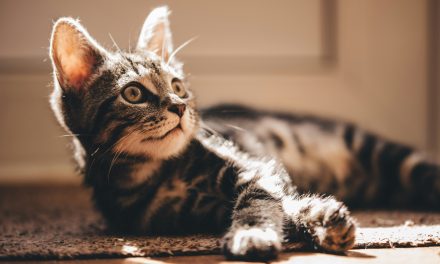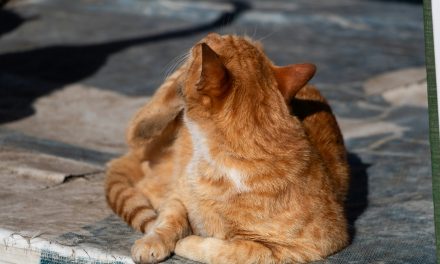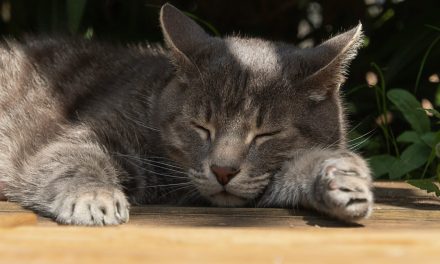
Arthritis, a degenerative joint disease, is a prevalent condition affecting felines, particularly as they age. This ailment is characterized by inflammation of the joints, leading to pain, stiffness, and reduced mobility. In cats, arthritis can manifest in various forms, including osteoarthritis and rheumatoid arthritis, with osteoarthritis being the most common. The pathophysiology involves the breakdown of cartilage, which cushions the joints, resulting in bone-on-bone friction that exacerbates discomfort and impairs movement.
The prevalence of arthritis in cats is significant, with studies indicating that approximately 90% of cats over the age of 12 exhibit some degree of joint degeneration. Factors contributing to the onset of arthritis include obesity, previous injuries, genetic predispositions, and certain metabolic disorders. Understanding this condition is crucial for cat owners, as early intervention can significantly enhance the quality of life for affected felines.
Common Signs and Symptoms of Arthritis in Cats
Identifying arthritis in cats can be challenging due to their instinctual behavior of masking pain. However, several signs and symptoms can indicate the presence of this debilitating condition. Common manifestations include limping or favoring a limb, reluctance to jump or climb stairs, and decreased activity levels. Additionally, cats may exhibit stiffness after resting or prolonged inactivity, which can be mistaken for normal aging.
Other symptoms may include changes in grooming habits, where a cat may neglect certain areas of its body due to discomfort. Weight gain can also occur as a result of reduced mobility, leading to a vicious cycle that exacerbates joint issues. Observing these signs is essential for pet owners to ensure timely veterinary intervention and appropriate management strategies.
Behavioral Changes That May Indicate Arthritis

Behavioral alterations often accompany physical symptoms in arthritic cats. Affected felines may become more irritable or withdrawn, displaying changes in their social interactions with humans and other pets. Increased vocalization or aggression can also be observed as a response to pain or discomfort. Cats may seek out warmer areas or specific resting spots that provide relief from joint pain.
Additionally, changes in litter box habits may arise; an arthritic cat might avoid using the litter box if it requires jumping or climbing to access it. These behavioral shifts are critical indicators that should prompt owners to seek veterinary advice. Recognizing these changes early can facilitate timely diagnosis and treatment, ultimately improving the cat’s overall well-being.
How Arthritis Affects Your Cat’s Mobility

Arthritis significantly impacts a cat’s mobility, leading to a decline in their overall physical activity. The pain associated with joint inflammation can deter cats from engaging in their usual playful behaviors, such as chasing toys or climbing to high perches. As a result, many cats may become sedentary, leading to muscle atrophy and further exacerbating their condition.
The limitations imposed by arthritis can also affect a cat’s ability to perform essential activities such as grooming and using the litter box. This decline in mobility not only affects the cat’s physical health but can also lead to psychological distress due to frustration and decreased quality of life. Therefore, addressing mobility issues through appropriate interventions is vital for maintaining a cat’s health and happiness.
Recognizing Pain and Discomfort in Arthritic Cats
Recognizing pain in cats can be particularly challenging due to their innate ability to conceal discomfort. However, certain signs can help owners identify when their feline companions are suffering from arthritis-related pain. Subtle changes in posture, such as a hunched back or reluctance to stretch, may indicate discomfort. Additionally, cats may exhibit altered gait patterns or favor specific limbs when walking.
Vocalizations such as growling or hissing during movement can also signal pain. Owners should pay close attention to their cat’s behavior during routine activities like grooming or playing; any signs of distress during these moments warrant further investigation. Utilizing pain assessment scales developed for feline patients can aid veterinarians in evaluating the severity of discomfort and tailoring appropriate treatment plans.
Importance of Early Detection and Veterinary Diagnosis
Early detection of arthritis is paramount for effective management and treatment. Regular veterinary check-ups are essential for identifying potential joint issues before they progress to advanced stages. During these visits, veterinarians can perform thorough physical examinations and utilize diagnostic imaging techniques such as X-rays or ultrasounds to assess joint health.
Prompt diagnosis allows for the implementation of preventive measures and treatment options that can alleviate pain and improve mobility. Additionally, early intervention can help mitigate the risk of secondary complications associated with prolonged inactivity, such as obesity or muscle atrophy. Educating pet owners about the importance of monitoring their cat’s behavior and seeking veterinary advice at the first signs of discomfort is crucial for ensuring optimal outcomes.
Creating a Comfortable Living Space for Arthritic Cats
Creating an accommodating living environment is essential for enhancing the quality of life for arthritic cats. Owners should consider providing easy access to essential areas within the home, such as food and water bowls, litter boxes, and resting spots. Elevating food and water dishes can reduce strain on joints while ensuring that cats do not have to bend excessively.
Additionally, minimizing obstacles within the home can facilitate easier navigation for arthritic felines. Providing ramps or steps can assist cats in accessing higher surfaces without the need for jumping. A designated quiet space with minimal disturbances allows cats to rest comfortably without unnecessary stressors.
Using Soft Bedding and Heated Pads to Relieve Joint Pain
Soft bedding plays a crucial role in providing comfort for arthritic cats. Orthopedic beds designed specifically for pets can offer adequate support while alleviating pressure on sore joints. These beds often feature memory foam or gel-infused materials that contour to the cat’s body shape, promoting restful sleep.
Incorporating heated pads into the resting area can further enhance comfort by providing soothing warmth that helps alleviate stiffness and pain associated with arthritis. It is essential to monitor the temperature of heated pads to prevent overheating and ensure safety. Providing a cozy environment encourages relaxation and promotes overall well-being for arthritic felines.
Modifying Feeding Areas and Litter Boxes for Easier Access
Modifying feeding areas and litter boxes is vital for accommodating the needs of arthritic cats. Elevated feeding stations can reduce strain on joints while allowing cats to eat comfortably without bending excessively. Additionally, using shallow dishes can make it easier for cats to access food without having to reach too far down.
Litter boxes should also be adapted for ease of use; low-entry boxes allow arthritic cats to enter and exit without difficulty. Providing multiple litter boxes throughout the home ensures that cats have convenient access without needing to navigate obstacles that may exacerbate their discomfort.
Incorporating Gentle Exercise and Physical Therapy at Home
Gentle exercise is crucial for maintaining mobility and joint health in arthritic cats. Engaging in low-impact activities such as short play sessions with interactive toys can stimulate movement without causing excessive strain on joints. Gradually increasing activity levels while monitoring the cat’s response is essential for preventing overexertion.
Incorporating physical therapy techniques at home can also be beneficial for arthritic felines. Simple exercises such as passive range-of-motion movements can help maintain flexibility in affected joints. Consulting with a veterinarian or certified animal rehabilitation specialist can provide tailored exercise plans that cater to an individual cat’s needs.
Nutritional Support and Supplements to Manage Arthritis Symptoms
Nutritional support plays a pivotal role in managing arthritis symptoms in cats. A balanced diet rich in omega-3 fatty acids has been shown to possess anti-inflammatory properties that may alleviate joint pain and stiffness. Foods containing glucosamine and chondroitin sulfate are also beneficial as they promote cartilage health and joint lubrication.
In addition to dietary adjustments, various supplements are available specifically formulated for arthritic cats. Omega-3 fatty acid supplements derived from fish oil can help reduce inflammation while promoting overall joint health. Other supplements such as green-lipped mussel extract have gained popularity due to their potential benefits in managing arthritis symptoms.
In conclusion, arthritis is a common yet often overlooked condition affecting many cats as they age. Recognizing the signs and symptoms early on is crucial for effective management and treatment options that enhance quality of life. By creating a comfortable living environment, modifying feeding areas, incorporating gentle exercise, and providing nutritional support, cat owners can significantly improve their feline companions’ well-being while addressing the challenges posed by arthritis. Regular veterinary check-ups remain essential for monitoring joint health and implementing appropriate interventions tailored to each cat’s unique needs.
FAQs
What are the common signs of arthritis in cats?
Common signs of arthritis in cats include limping, difficulty jumping or climbing, decreased activity levels, changes in grooming habits, and signs of pain such as vocalization or aggression when touched. Cats may also exhibit stiffness, especially after resting, and may prefer to lie in warm areas to alleviate discomfort.
How is arthritis diagnosed in cats?
Arthritis in cats is typically diagnosed through a combination of physical examinations, observation of behavior, and imaging techniques such as X-rays. A veterinarian will assess the cat’s mobility, joint health, and may also conduct blood tests to rule out other conditions that could mimic arthritis symptoms.
What are some effective ways to manage arthritis in cats at home?
To manage arthritis in cats at home, you can provide soft bedding to support their joints, ensure easy access to food and water by using elevated bowls, and create ramps or steps to help them reach favorite spots. Regular, gentle exercise can help maintain mobility, and weight management is crucial to reduce stress on the joints. Additionally, consult your veterinarian about pain relief medications or supplements.
Are there specific diets that can help cats with arthritis?
Yes, diets rich in omega-3 fatty acids, such as fish oil, can help reduce inflammation and support joint health in cats with arthritis. Some commercial cat foods are formulated specifically for joint health and may contain glucosamine and chondroitin. Always consult your veterinarian before making significant changes to your cat’s diet.
When should I take my cat to the vet for arthritis concerns?
You should take your cat to the vet if you notice any signs of pain, limping, or changes in behavior that suggest discomfort. Early intervention can help manage arthritis more effectively and improve your cat’s quality of life. Regular check-ups are also important for monitoring the progression of the condition.