Hydration is a fundamental aspect of canine health, playing a crucial role in various physiological processes. Water is essential for maintaining body temperature, facilitating digestion, and ensuring proper circulation. Dogs, like humans, are composed of approximately 60-70% water, which underscores the importance of adequate fluid intake. A well-hydrated dog exhibits optimal energy levels, cognitive function, and overall well-being. Conversely, insufficient hydration can lead to serious health complications, including kidney dysfunction, urinary tract infections, and even death in extreme cases.
Understanding your dog’s hydration needs requires an awareness of their unique physiology and lifestyle. Factors such as age, breed, size, and health status can significantly influence how much water your dog requires daily. Puppies and lactating females typically need more fluids due to their rapid growth and increased metabolic demands. Older dogs may also require special attention to hydration as they may experience decreased thirst perception or underlying health issues that affect their fluid balance.
Factors Influencing Daily Water Intake
Several factors can influence the daily water intake of your canine companion. One of the most significant determinants is the dog’s size and weight. Larger breeds generally require more water than smaller ones due to their greater body mass and metabolic needs. For instance, a Great Dane may need up to 2-3 gallons of water daily, while a Chihuahua might only require about half a cup.
Another critical factor is the dog’s diet. Dogs consuming dry kibble typically need more water than those on a wet food diet, as dry food contains significantly less moisture. Additionally, the dog’s activity level plays a vital role; active dogs engaged in regular exercise or play will require increased hydration to compensate for fluid loss through panting and perspiration. Health conditions such as diabetes or kidney disease can also necessitate adjustments in water intake, making it essential for pet owners to monitor their dog’s drinking habits closely.
General Guidelines for Water Consumption by Dog Size

Establishing general guidelines for water consumption based on dog size can help pet owners ensure their furry friends remain adequately hydrated. A common rule of thumb is that dogs should drink approximately one ounce of water per pound of body weight daily. For example, a 20-pound dog would need about 20 ounces (or roughly 2.5 cups) of water each day. However, this guideline can vary based on individual circumstances.
Small breeds, such as Dachshunds or Pomeranians, may require around 0.5 to 1 ounce per pound daily, while medium-sized dogs like Beagles or Bulldogs might need 1 to 1.5 ounces per pound. Large breeds, including Labrador Retrievers or German Shepherds, often require 1.5 to 2 ounces per pound. It’s important to note that these figures are approximate and should be adjusted based on factors such as activity level and environmental conditions.
The Role of Activity Level in Hydration

Activity level is a significant determinant of hydration needs in dogs. Active dogs that engage in regular exercise or play sessions will lose fluids through panting and increased respiration rates. This fluid loss necessitates a higher intake of water to maintain optimal hydration levels. For instance, a dog participating in agility training or long hikes may require up to double the standard water intake compared to a sedentary dog.
Moreover, the type of activity can also influence hydration needs. High-intensity activities that elevate heart rates and body temperatures will lead to increased fluid loss through sweat and respiration. Pet owners should be vigilant about providing fresh water before, during, and after exercise sessions to ensure their dogs remain hydrated and healthy.
Impact of Weather and Temperature on Water Requirements
Environmental factors such as weather and temperature significantly impact a dog’s hydration requirements. During hot summer months or in humid climates, dogs are at an increased risk of dehydration due to elevated temperatures causing excessive panting and fluid loss. In such conditions, it is crucial for pet owners to provide ample access to fresh water and monitor their dogs closely for signs of overheating.
Conversely, colder weather may also affect hydration needs, albeit in different ways. While dogs may not pant as much in cooler temperatures, they still require adequate hydration to maintain bodily functions. Additionally, if a dog is consuming dry food during winter months, they may need increased water intake to compensate for the lack of moisture in their diet.
How Diet Affects Your Dog’s Water Intake
The type of diet your dog consumes plays a pivotal role in determining their overall hydration needs. Dogs fed primarily dry kibble will require more water than those on a wet food diet due to the lower moisture content in dry food. Wet food typically contains around 70-80% moisture, which contributes significantly to a dog’s daily fluid intake.
Moreover, certain dietary components can influence hydration levels as well. High-protein diets may necessitate increased water consumption due to the metabolic processes involved in protein digestion and excretion. Conversely, high-fiber diets can lead to increased water absorption in the intestines, potentially requiring adjustments in fluid intake.
Signs of Dehydration to Watch For
Recognizing the signs of dehydration is crucial for maintaining your dog’s health and well-being. Common indicators include excessive panting, dry gums, lethargy, loss of appetite, and decreased skin elasticity. A simple test involves gently pinching the skin on the back of your dog’s neck; if it does not return quickly to its original position, this may indicate dehydration.
Other signs include dark yellow urine or infrequent urination, which can signal that your dog is not consuming enough fluids. If you notice any of these symptoms, it is essential to take immediate action by providing fresh water and consulting with a veterinarian if symptoms persist or worsen.
How to Encourage Your Dog to Drink More Water
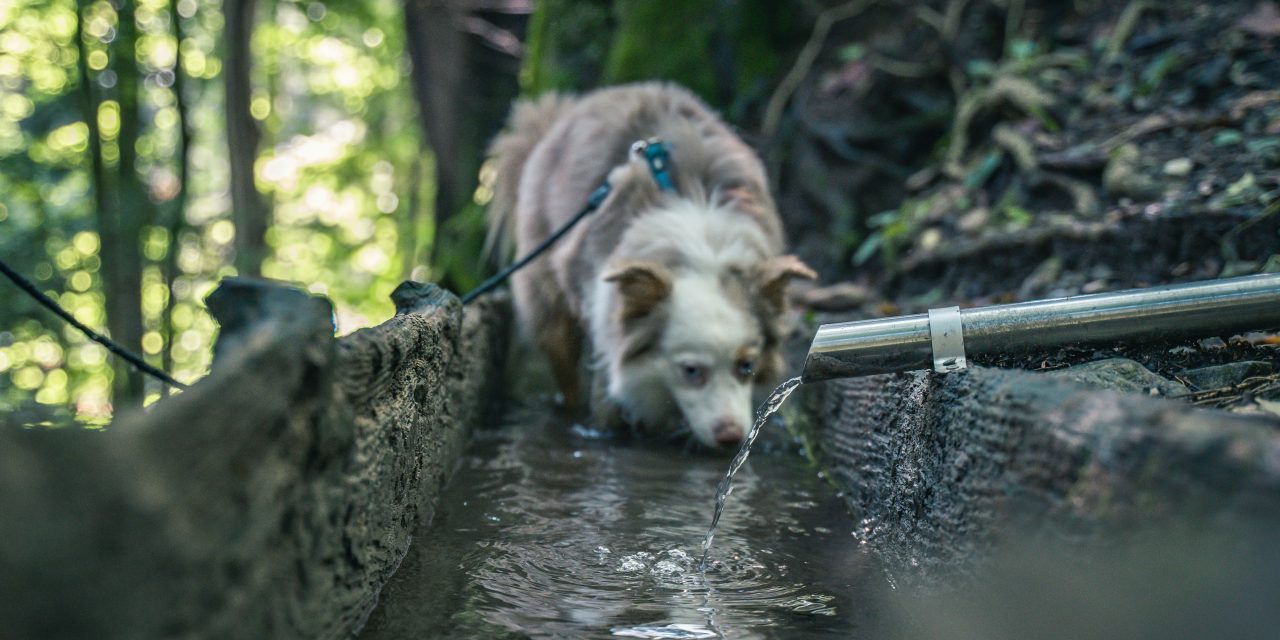
Encouraging your dog to drink more water can be achieved through various strategies. One effective method is to provide multiple water bowls throughout your home and yard to ensure easy access at all times. Additionally, consider using a pet water fountain; many dogs are attracted to running water and may drink more when it is available.
Flavoring the water with low-sodium broth or adding ice cubes can also entice your dog to drink more frequently. Incorporating wet food into their diet can further increase moisture intake while making mealtime more enjoyable for your pet.
When to Consult a Veterinarian About Hydration
Consulting a veterinarian regarding your dog’s hydration status is essential if you observe any concerning signs or changes in drinking habits. If your dog exhibits persistent lethargy, vomiting, diarrhea, or any other unusual symptoms alongside dehydration signs, immediate veterinary attention is warranted.
Additionally, if your dog has underlying health conditions such as diabetes or kidney disease that may affect hydration levels, regular check-ups with your veterinarian are crucial for monitoring their overall health and adjusting hydration recommendations accordingly.
The Importance of Clean, Fresh Water Availability
Providing clean and fresh water is paramount for maintaining your dog’s health and encouraging proper hydration habits. Stagnant or contaminated water can lead to gastrointestinal issues or other health complications. Regularly cleaning water bowls and ensuring they are filled with fresh water will promote better drinking behavior.
Moreover, consider using stainless steel or ceramic bowls instead of plastic ones; these materials are less likely to harbor bacteria and are easier to clean thoroughly.
Monitoring and Adjusting Water Intake Over Time
Monitoring your dog’s water intake over time is essential for ensuring they remain adequately hydrated. Keep track of how much water they consume daily and observe any changes in behavior or health status that may indicate dehydration or overhydration.
Adjustments may be necessary based on changes in activity level, diet, or environmental conditions. Regularly reassessing your dog’s hydration needs will help you provide optimal care and maintain their overall health.
In summary, understanding your dog’s hydration needs involves considering various factors such as size, activity level, diet, and environmental conditions. By monitoring their water intake closely and recognizing signs of dehydration early on, pet owners can take proactive measures to ensure their furry companions remain healthy and hydrated throughout their lives. Providing clean water and encouraging drinking habits will contribute significantly to your dog’s overall well-being and longevity.
FAQs
How much water should a dog drink daily?
The general guideline is that dogs should drink about one ounce of water per pound of body weight each day. For example, a 50-pound dog should consume approximately 50 ounces of water daily. However, this can vary based on factors such as activity level, diet, and environmental conditions.
What factors influence a dog’s water intake?
Several factors can influence how much water a dog needs, including their size, age, activity level, diet (dry vs. wet food), and the climate they live in. Active dogs or those in hot weather may require more water, while older or less active dogs may need less.
Can dogs drink too much water?
Yes, dogs can drink too much water, which can lead to a condition known as water intoxication or hyponatremia. This is rare but can be serious. Symptoms include lethargy, bloating, and in severe cases, seizures. It’s important to monitor your dog’s water intake and consult a veterinarian if you notice any unusual behavior.
How can I encourage my dog to drink more water?
To encourage your dog to drink more water, you can provide fresh, clean water at all times, use a pet water fountain, add water to their food, or offer ice cubes as a treat. Ensuring that the water bowl is easily accessible and clean can also help increase their water intake.
What are the signs of dehydration in dogs?
Signs of dehydration in dogs include excessive panting, dry gums, lethargy, loss of skin elasticity, and decreased urine output. If you suspect your dog is dehydrated, it’s important to provide water immediately and consult a veterinarian if symptoms persist.