As cats age, their physiological and psychological needs evolve significantly. Senior cats, typically defined as those aged 11 years and older, often experience a range of health issues that require attentive care. Understanding these needs is crucial for ensuring their well-being and quality of life. Common age-related conditions include arthritis, dental disease, kidney dysfunction, and cognitive decline. Each of these ailments can affect a cat’s behavior, appetite, and overall health, necessitating a tailored approach to their care.
Moreover, senior felines may exhibit changes in their social behavior. They might become less active or more reclusive, preferring quiet spaces over bustling environments. Recognizing these shifts is essential for providing an environment that caters to their comfort and security. By observing their habits and preferences, caregivers can better address their emotional and physical needs, fostering a nurturing atmosphere that promotes longevity and happiness.
Establishing a Consistent Feeding Schedule
A consistent feeding schedule is vital for senior cats, as it helps regulate their metabolism and digestive health. Unlike younger cats, older felines may benefit from smaller, more frequent meals throughout the day rather than one or two larger portions. This approach can alleviate stress on their digestive systems and help manage conditions such as obesity or diabetes, which are prevalent in older cats.
To establish an effective feeding routine, caregivers should consider the cat’s individual preferences and health status. Utilizing automatic feeders can ensure timely meals while allowing for portion control. Additionally, monitoring the cat’s weight regularly is essential to adjust feeding amounts as necessary. A consistent schedule not only aids in physical health but also provides a sense of security for senior cats, reinforcing their daily routine.
Providing a Balanced and Age-Appropriate Diet

Nutrition plays a pivotal role in the health of senior cats. As they age, their dietary requirements change significantly; thus, it is crucial to provide a balanced diet tailored to their specific needs. Senior cat food formulations typically contain higher levels of protein to support muscle maintenance while being lower in calories to prevent obesity. Additionally, these diets often include essential fatty acids, antioxidants, and vitamins that promote overall health and cognitive function.
When selecting food for senior cats, caregivers should prioritize high-quality ingredients and consult with a veterinarian to determine the best options based on the cat’s health status. For instance, cats with kidney disease may require a diet lower in phosphorus and protein, while those with dental issues might benefit from softer food textures. Regularly assessing the cat’s response to dietary changes is essential to ensure optimal health outcomes.
Ensuring Regular Hydration

Hydration is critical for maintaining the health of senior cats, particularly as they are more susceptible to dehydration due to age-related changes in kidney function. Cats often do not drink enough water on their own; therefore, caregivers must take proactive measures to encourage fluid intake. Providing fresh water daily in multiple locations around the home can entice cats to drink more frequently.
Incorporating wet food into their diet is another effective strategy for enhancing hydration levels. Canned food typically contains higher moisture content than dry kibble, which can significantly contribute to overall fluid intake. Additionally, some cats may respond positively to water fountains that provide running water, appealing to their instinctual preference for fresh sources. Monitoring hydration levels is crucial; signs of dehydration include lethargy, dry gums, and decreased skin elasticity.
Creating a Comfortable and Accessible Living Space
A comfortable living environment is paramount for senior cats, as they may experience mobility challenges or sensory decline. Caregivers should ensure that essential resources such as food bowls, litter boxes, and resting areas are easily accessible without requiring excessive jumping or climbing. Utilizing low-sided litter boxes can facilitate easier entry and exit for arthritic cats.
Moreover, creating cozy resting spots with soft bedding in quiet areas can help senior cats feel secure and relaxed. Providing vertical spaces such as ramps or steps can also encourage exploration while accommodating their physical limitations. Ensuring that the living space is free from hazards will further enhance safety and comfort for aging felines.
Maintaining a Gentle Grooming Routine
Grooming is an essential aspect of care for senior cats, as they may struggle with self-grooming due to arthritis or other mobility issues. Regular brushing not only helps maintain coat health by reducing matting and hairballs but also serves as an opportunity for bonding between caregiver and cat. It is advisable to use soft brushes designed for sensitive skin to avoid causing discomfort.
In addition to brushing, caregivers should monitor the cat’s nails and trim them regularly to prevent overgrowth and associated pain. Dental care is equally important; regular tooth brushing or dental treats can help mitigate dental disease, which is common in older felines. Establishing a gentle grooming routine can significantly enhance the cat’s comfort and overall well-being.
Monitoring Health and Scheduling Vet Visits
Regular veterinary check-ups are crucial for senior cats to monitor their health status proactively. Routine examinations allow veterinarians to detect early signs of common age-related conditions such as hyperthyroidism or chronic kidney disease. Blood tests and urinalysis can provide valuable insights into organ function and metabolic health.
Caregivers should schedule veterinary visits at least twice a year for senior cats, as more frequent assessments may be necessary depending on the cat’s health status. Keeping detailed records of any behavioral changes or physical symptoms can aid veterinarians in diagnosing potential issues effectively. Early intervention often leads to better outcomes and improved quality of life for aging felines.
Encouraging Moderate Exercise and Mental Stimulation
While senior cats may not exhibit the same energy levels as younger counterparts, moderate exercise remains essential for maintaining physical health and preventing obesity. Engaging in gentle play sessions using interactive toys can stimulate both physical activity and mental engagement. Feather wands or laser pointers can entice even the most sedentary cats to move around.
Mental stimulation is equally important; puzzle feeders or treat-dispensing toys can challenge cognitive abilities while rewarding them with treats. Providing opportunities for exploration through safe outdoor access or window perches can also enhance their environment. Balancing physical activity with mental challenges fosters overall well-being in senior felines.
Adjusting Litter Box Setup for Senior Comfort
The litter box setup requires careful consideration for senior cats who may have mobility issues or sensory decline. Opting for low-sided litter boxes allows easier access while ensuring that the litter material is comfortable underfoot is essential for encouraging use. Additionally, placing multiple litter boxes throughout the home can reduce stress associated with long walks to reach them.
Choosing unscented litter can also be beneficial since older cats may have heightened sensitivities to strong odors. Regular cleaning of litter boxes is crucial to maintain hygiene and encourage consistent use. Monitoring litter box habits can provide valuable insights into the cat’s health; changes in frequency or consistency may indicate underlying medical issues that require attention.
Managing Pain and Mobility Issues at Home
Pain management is a critical aspect of caring for senior cats experiencing mobility challenges due to conditions such as arthritis or degenerative joint disease. Consulting with a veterinarian about appropriate pain relief options is essential; non-steroidal anti-inflammatory drugs (NSAIDs) or joint supplements containing glucosamine may be recommended based on individual needs.
Creating an environment that minimizes strain on joints can significantly enhance comfort levels at home. Providing soft bedding in easily accessible locations allows for restful sleep without excessive effort. Additionally, using ramps or pet stairs can facilitate movement between different levels of the home without exacerbating pain or discomfort.
Offering Emotional Support and Reducing Stress
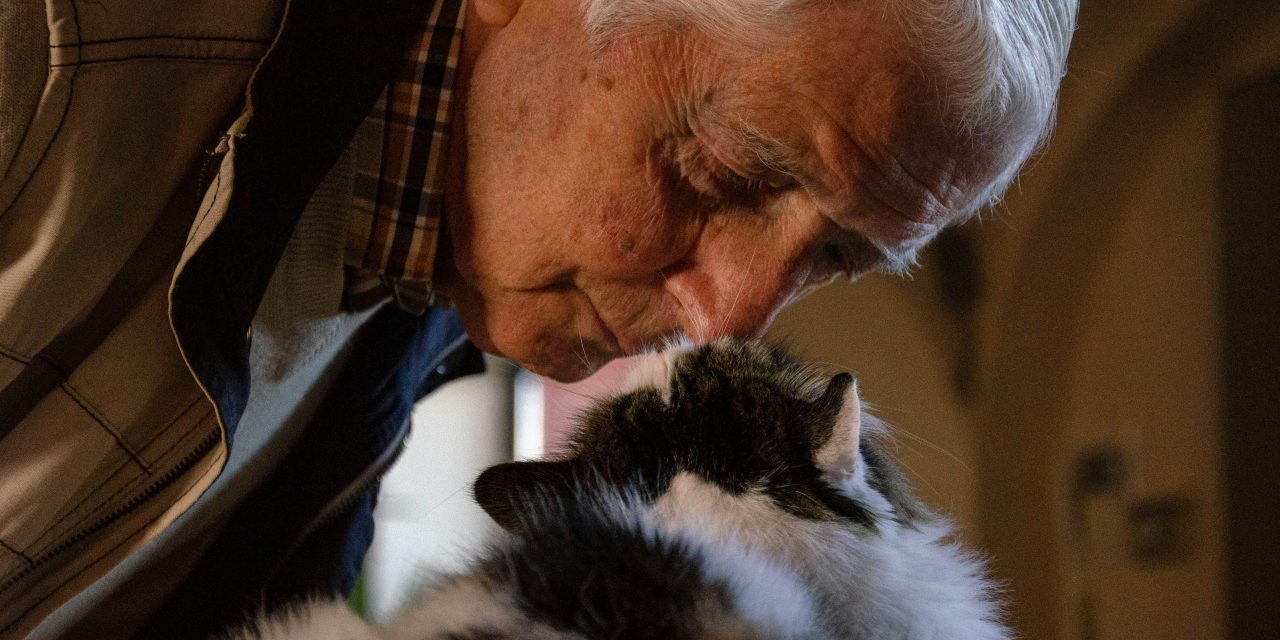
Emotional well-being is just as important as physical health for senior cats. As they age, they may experience anxiety or stress due to changes in their environment or routine. Providing consistent companionship through gentle interaction can help alleviate feelings of loneliness or insecurity. Engaging in quiet playtime or simply sitting together can foster a sense of security.
Creating a calm environment by minimizing loud noises or sudden changes can further reduce stress levels in aging felines. Utilizing pheromone diffusers designed specifically for cats can promote relaxation within the home environment. By prioritizing emotional support alongside physical care, caregivers can significantly enhance the quality of life for their senior companions.
In summary, caring for senior cats requires a comprehensive understanding of their evolving needs across various aspects of life—from nutrition and hydration to emotional support and pain management. By establishing consistent routines, providing appropriate diets, ensuring comfortable living spaces, and maintaining regular veterinary care, caregivers can significantly enhance the quality of life for aging felines while fostering a loving bond that lasts throughout their golden years.
FAQs
What are the daily routines I should establish for my senior cat?
Daily routines for senior cats should include regular feeding times, consistent litter box maintenance, and scheduled playtime or gentle exercise. It’s also important to incorporate regular grooming sessions to help with shedding and skin health, as well as routine health checks to monitor any changes in behavior or physical condition.
How can I adjust my home to accommodate a senior cat?
To accommodate a senior cat, consider providing easy access to food, water, and litter boxes by placing them on the same level as your cat’s favorite resting spots. Use non-slip mats to prevent slipping on floors, and provide cozy, warm resting areas. Additionally, ensure that climbing structures or cat trees are low to the ground to prevent injury.
What dietary changes should I consider for my senior cat?
Senior cats often require a diet that is lower in calories but higher in protein to maintain muscle mass. Look for high-quality cat food specifically formulated for senior cats, which may also include added nutrients like omega fatty acids for joint health and antioxidants for immune support. Always consult your veterinarian before making significant dietary changes.
How often should I take my senior cat to the veterinarian?
Senior cats should ideally visit the veterinarian at least twice a year for check-ups. These visits can help monitor their health, catch any potential issues early, and adjust any medications or treatments as necessary. Regular dental check-ups are also important, as dental health can significantly impact overall health in senior cats.
What signs indicate that my senior cat may need additional care?
Signs that your senior cat may need additional care include changes in appetite or weight, increased lethargy, difficulty jumping or climbing, changes in litter box habits, excessive grooming or neglecting grooming, and signs of pain or discomfort. If you notice any of these changes, it’s important to consult your veterinarian for further evaluation.