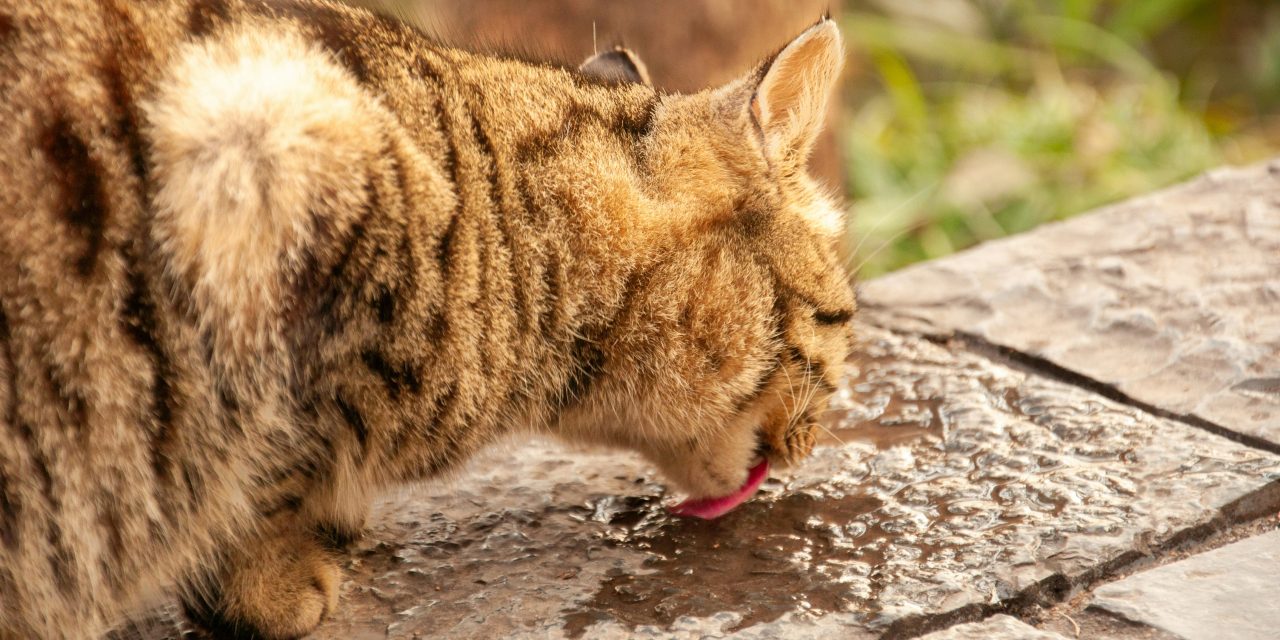
Cats are unique creatures with distinct hydration habits that differ significantly from those of other pets, such as dogs. Typically, a healthy feline consumes approximately 50-70 milliliters of water per kilogram of body weight daily. This translates to about 2.5 to 5 ounces for an average-sized cat weighing around 10 pounds. Cats are obligate carnivores, which means their natural diet consists primarily of meat, providing them with moisture through their prey. Consequently, many cats may not drink as much water as one might expect, relying instead on the moisture content of their food.
Understanding these normal hydration habits is crucial for cat owners. Cats often prefer fresh, clean water and may be deterred by stagnant or contaminated sources. Additionally, environmental factors such as temperature and humidity can influence a cat’s thirst. For instance, during warmer months, cats may increase their water intake to compensate for fluid loss through panting and increased activity levels. Recognizing these patterns can help owners ensure their pets remain adequately hydrated.
Common Causes of Increased Water Intake in Cats
Increased water intake, or polydipsia, can be indicative of underlying health issues in felines. One of the most prevalent causes is diabetes mellitus, a condition characterized by insufficient insulin production or resistance to insulin’s effects. This metabolic disorder leads to elevated blood glucose levels, prompting the kidneys to excrete excess sugar through urine, which in turn increases thirst as the body attempts to compensate for fluid loss.
Another common cause of excessive drinking is chronic kidney disease (CKD). As the kidneys lose their ability to concentrate urine effectively, cats may drink more water to maintain hydration levels. This condition is particularly prevalent in older cats and can lead to a range of complications if left untreated. Other potential causes include hyperthyroidism, liver disease, and certain medications that may induce increased thirst as a side effect.
The Role of Diet in Your Cat’s Drinking Behavior

Diet plays a pivotal role in influencing a cat’s drinking behavior. Cats consuming dry kibble typically require more water than those on a wet food diet due to the lower moisture content in dry food. Dry cat food generally contains around 10% moisture, while canned food can contain up to 80% moisture. Therefore, cats that primarily eat wet food may naturally drink less water since they are receiving hydration through their meals.
Moreover, the nutritional composition of a cat’s diet can also affect its thirst levels. High-protein diets may lead to increased water consumption as protein metabolism generates nitrogenous waste that must be excreted through urine. Conversely, diets high in carbohydrates can lead to fluctuations in blood sugar levels, potentially increasing thirst as well. Understanding the relationship between diet and hydration can help owners make informed choices about their cat’s nutrition and overall health.
Signs of Diabetes Mellitus in Cats

Diabetes mellitus is a serious condition that requires prompt attention from pet owners. Common signs include increased thirst (polydipsia), frequent urination (polyuria), weight loss despite an increased appetite (polyphagia), lethargy, and poor coat condition. Affected cats may also exhibit changes in behavior, such as increased irritability or decreased activity levels.
If left untreated, diabetes can lead to severe complications, including diabetic ketoacidosis, which is a life-threatening condition characterized by high levels of ketones in the blood. Early detection is crucial for effective management and treatment. Regular veterinary check-ups and monitoring blood glucose levels can help identify diabetes early on and facilitate timely intervention.
How Kidney Disease Affects Cat Hydration
Chronic kidney disease (CKD) is a progressive condition that affects many older cats and significantly impacts hydration status. As kidney function declines, the ability to concentrate urine diminishes, leading to increased urine production and subsequent thirst. Cats with CKD often exhibit signs such as increased drinking and urination, weight loss, vomiting, and decreased appetite.
Management of CKD involves dietary modifications, including feeding a specialized renal diet that is lower in protein and phosphorus to reduce the workload on the kidneys. Additionally, fluid therapy may be necessary to maintain hydration levels and support kidney function. Regular veterinary monitoring is essential for assessing disease progression and adjusting treatment plans accordingly.
Hyperthyroidism and Its Impact on Water Consumption
Hyperthyroidism is another common endocrine disorder in older cats characterized by excessive production of thyroid hormones. This condition leads to an increase in metabolic rate, resulting in symptoms such as weight loss, increased appetite, hyperactivity, and excessive thirst. The elevated metabolic demands place additional stress on the kidneys, further contributing to increased water consumption.
Diagnosis typically involves blood tests to measure thyroid hormone levels. Treatment options include medication to regulate hormone production, radioactive iodine therapy to destroy overactive thyroid tissue, or surgical removal of the thyroid gland. Managing hyperthyroidism effectively can help alleviate excessive thirst and improve overall quality of life for affected cats.
Identifying Urinary Tract Issues Through Drinking Patterns
Urinary tract issues can manifest through changes in drinking patterns and urination habits. Conditions such as urinary tract infections (UTIs), bladder stones, or feline idiopathic cystitis can lead to increased thirst as the body attempts to flush out irritants or pathogens from the urinary system. Cats may also exhibit signs of discomfort during urination or may urinate outside the litter box due to pain or urgency.
Monitoring your cat’s drinking behavior can provide valuable insights into their urinary health. If you notice sudden changes in thirst or urination patterns, it is essential to consult a veterinarian promptly for evaluation and diagnosis. Early intervention can prevent complications and ensure appropriate treatment.
Environmental Factors That May Influence Your Cat’s Thirst
Environmental factors play a significant role in influencing a cat’s hydration habits. Temperature and humidity levels can affect thirst; for instance, during hot weather or dry indoor conditions, cats may drink more water to compensate for fluid loss through panting or evaporation from their skin.
Additionally, the availability and quality of water sources can impact drinking behavior. Cats are often more inclined to drink from fresh sources rather than stagnant bowls. Providing multiple water stations throughout the home and using pet water fountains can encourage increased water intake by appealing to their natural instincts.
When to Consult a Veterinarian About Excessive Drinking
Recognizing when to seek veterinary care for excessive drinking is crucial for maintaining your cat’s health. If you observe a sudden increase in your cat’s water intake or notice accompanying symptoms such as weight loss, lethargy, vomiting, or changes in appetite or behavior, it is essential to consult a veterinarian promptly.
A thorough examination will typically include blood tests and urinalysis to assess kidney function, blood glucose levels, and thyroid hormone levels. Early diagnosis and intervention are vital for managing underlying conditions effectively and preventing complications.
Monitoring and Managing Your Cat’s Water Intake at Home
Monitoring your cat’s water intake at home can provide valuable insights into their health status. Keeping track of how much water your cat consumes daily can help identify any significant changes that may warrant veterinary attention. Consider using a measuring cup or marked water bowl to gauge daily consumption accurately.
Additionally, providing fresh water daily and ensuring multiple accessible water sources can encourage proper hydration. If your cat prefers running water, consider investing in a pet water fountain that mimics natural sources and keeps water oxygenated and appealing.
Preventative Measures to Maintain Your Cat’s Health and Hydration
Preventative measures are essential for maintaining your cat’s health and hydration status throughout their life. Regular veterinary check-ups are crucial for early detection of potential health issues such as diabetes mellitus or kidney disease. Vaccinations and parasite control also play a vital role in preventing infections that could impact hydration.
Dietary management is another critical aspect of prevention; providing a balanced diet tailored to your cat’s age and health status can help mitigate risks associated with obesity and metabolic disorders. Encouraging regular exercise through playtime can also promote overall well-being and reduce the likelihood of developing health issues that affect hydration.
In summary, understanding your cat’s hydration habits is essential for maintaining their health and well-being. Increased water intake can indicate underlying health issues such as diabetes mellitus or kidney disease; therefore, monitoring drinking patterns is crucial for early detection and intervention. By providing appropriate dietary options, ensuring access to fresh water sources, and consulting with veterinarians when necessary, cat owners can effectively manage their pets’ hydration needs while promoting overall health.
FAQs
What are the common reasons for increased water intake in cats?
Increased water intake in cats can be caused by several factors, including diabetes mellitus, kidney disease, hyperthyroidism, urinary tract infections, and certain medications. Each of these conditions can lead to increased thirst as the body attempts to compensate for various imbalances or health issues.
How can I determine if my cat’s increased thirst is a health concern?
If your cat is drinking significantly more water than usual, it’s important to monitor other symptoms such as changes in appetite, weight loss, lethargy, or changes in urination habits. If you notice any of these signs, it’s advisable to consult a veterinarian for a thorough examination and diagnosis.
What is the normal amount of water a cat should drink daily?
On average, a healthy cat should drink about 2 to 4 ounces of water per 5 pounds of body weight per day. However, this can vary based on factors such as diet (dry vs. wet food), activity level, and environmental conditions. It’s essential to observe any significant deviations from this norm.
Can diet affect my cat’s water consumption?
Yes, diet can significantly influence a cat’s water intake. Cats that eat dry kibble typically drink more water compared to those that consume wet food, which contains a higher moisture content. If you switch your cat’s diet, you may notice changes in their drinking habits.
What should I do if I suspect my cat has a medical condition causing increased thirst?
If you suspect that your cat’s increased thirst is due to a medical condition, it’s crucial to schedule an appointment with your veterinarian as soon as possible. They can perform diagnostic tests to determine the underlying cause and recommend appropriate treatment options to manage your cat’s health.