Dehydration in felines is a critical condition that arises when a cat loses more fluids than it consumes. This imbalance can lead to severe health complications, including kidney failure, urinary tract infections, and even death if not addressed promptly. Cats are particularly susceptible to dehydration due to their natural instincts and behaviors. Unlike dogs, cats often do not drink enough water, relying instead on their food for hydration. This makes it imperative for cat owners to be vigilant about their pet’s fluid intake and overall health.
The feline body is composed of approximately 60-70% water, which plays a vital role in various physiological processes, including temperature regulation, nutrient transport, and waste elimination. When a cat becomes dehydrated, its body begins to conserve water, leading to a decrease in urine output and other systemic changes. Understanding the nuances of dehydration in cats is essential for pet owners to ensure their furry companions remain healthy and hydrated.
Common Causes of Dehydration in Cats
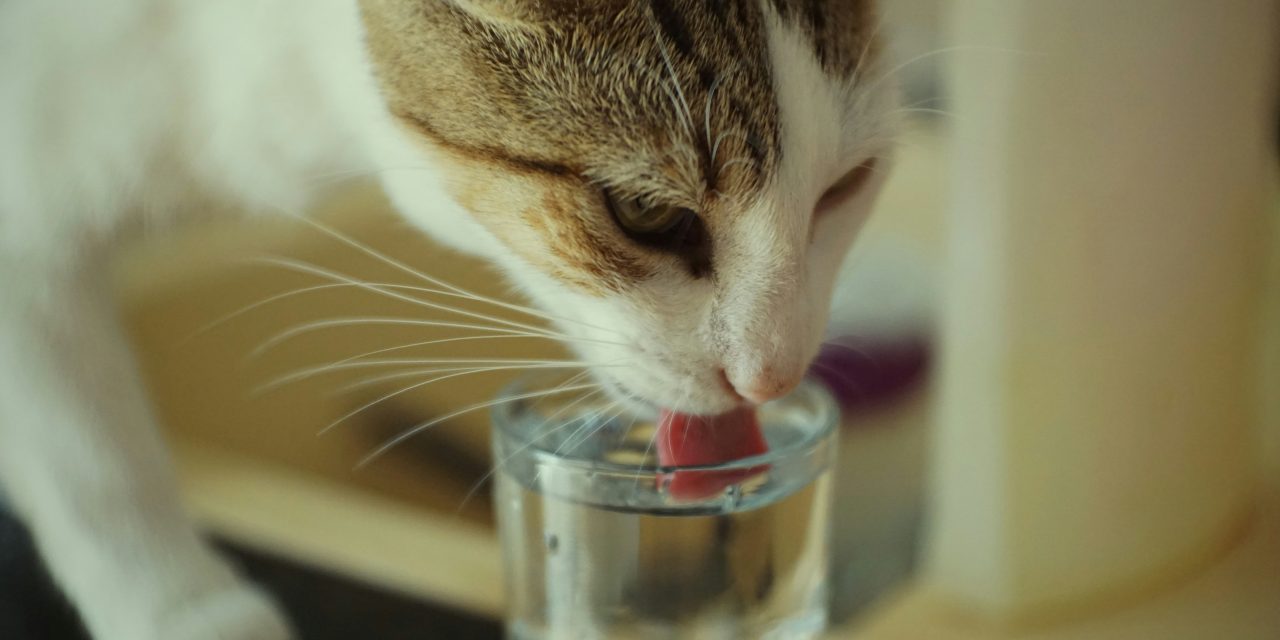
Several factors can contribute to dehydration in cats, making it crucial for owners to identify potential risks. One of the most prevalent causes is inadequate water intake. Cats may not drink enough water due to a lack of fresh water availability or disinterest in drinking from bowls. Additionally, dry food diets can exacerbate this issue, as kibble contains significantly less moisture compared to wet food.
Illnesses such as diabetes mellitus, kidney disease, and hyperthyroidism can also lead to increased fluid loss through urination or vomiting. Gastrointestinal issues like diarrhea or vomiting can further exacerbate dehydration by causing rapid fluid loss. Environmental factors, such as high temperatures or excessive exercise, can also contribute to dehydration, particularly in outdoor cats or those living in warmer climates.
Recognizing Early Signs of Dehydration

Early detection of dehydration is crucial for effective intervention. Pet owners should be aware of subtle signs that may indicate their cat is becoming dehydrated. One of the first indicators is a decrease in energy levels; a lethargic cat may be less active and more prone to resting than usual. Additionally, changes in appetite can signal dehydration; a cat that refuses food or shows disinterest in treats may be experiencing discomfort.
Another early sign is dry skin or fur. A cat’s coat should feel soft and supple; if it appears dull or rough, this may indicate dehydration. Monitoring your cat’s behavior closely can help catch these early warning signs before they escalate into more severe health issues.
Checking Your Cat’s Skin Elasticity

One effective method for assessing hydration levels in cats is through skin elasticity testing. This simple technique involves gently pinching the skin on the back of your cat’s neck or between the shoulder blades and then releasing it. In a well-hydrated cat, the skin should quickly return to its original position. However, if the skin remains tented or takes longer to return, this may indicate dehydration.
Skin elasticity testing is a quick and non-invasive way to gauge your cat’s hydration status. It is essential to perform this test regularly, especially if you notice any changes in your cat’s behavior or health. If you find that your cat’s skin elasticity is compromised, it is advisable to consult with a veterinarian for further evaluation.
Observing Changes in Your Cat’s Gum Color and Moisture
The condition of your cat’s gums can provide valuable insight into their hydration status. Healthy gums should appear pink and moist; however, if they become pale, dry, or sticky, this may indicate dehydration. To assess your cat’s gum health, gently lift their lip and examine the color and texture of the gums.
In addition to color changes, you can perform the capillary refill time test by pressing on the gums until they turn white and then releasing. The time it takes for the color to return should be less than two seconds in a healthy cat. If the gums remain pale or take longer than normal to regain their color, this could signify dehydration or other underlying health issues that require veterinary attention.
Monitoring Your Cat’s Urine Output and Color
Urine output is another critical indicator of hydration status in cats. A well-hydrated cat typically produces clear or light yellow urine. Conversely, concentrated urine that appears dark yellow or amber may indicate dehydration. Monitoring your cat’s litter box habits can provide valuable information about their fluid intake and overall health.
If you notice a significant decrease in urine output or changes in color, it is essential to take action promptly. Dehydration can lead to urinary tract infections or even urinary blockages, particularly in male cats. Keeping track of your cat’s litter box habits can help you identify potential issues early on and seek veterinary care if necessary.
Noticing Behavioral Changes Linked to Dehydration
Behavioral changes can often serve as red flags for dehydration in cats. A normally playful and active cat may become withdrawn or irritable when dehydrated. Changes in grooming habits are also common; a dehydrated cat may neglect its grooming routine, leading to an unkempt appearance.
In addition to lethargy and irritability, you may observe increased vocalization or restlessness as your cat attempts to communicate discomfort or distress. Being attentive to these behavioral shifts can help you identify dehydration early and take appropriate measures to address the issue.
Assessing Your Cat’s Eye Condition
The condition of your cat’s eyes can also provide insight into their hydration status. Healthy eyes should appear bright and clear; however, dehydration can lead to dullness or sunken eyes. If you notice that your cat’s eyes appear less vibrant than usual or seem recessed into their sockets, this may indicate a need for increased fluid intake.
Additionally, tears should be present in healthy cats; dry eyes can be another sign of dehydration. Regularly observing your cat’s eye condition can help you catch potential hydration issues before they escalate into more serious health concerns.
Using the “Capillary Refill Time” Test
The capillary refill time (CRT) test is a simple yet effective method for assessing hydration levels in cats. To perform this test, gently press on your cat’s gums until they turn white and then release your finger. Observe how long it takes for the color to return; ideally, this should occur within two seconds.
A prolonged CRT may indicate dehydration or other underlying health issues that require veterinary attention. This test is particularly useful for pet owners who want to monitor their cat’s hydration status at home regularly.
When to Seek Veterinary Care for Dehydration
If you suspect that your cat is dehydrated based on the signs and tests mentioned above, it is crucial to seek veterinary care promptly. Severe dehydration can lead to life-threatening complications if left untreated. Your veterinarian will conduct a thorough examination and may recommend diagnostic tests such as blood work or urinalysis to assess your cat’s overall health.
Treatment options may include intravenous (IV) fluids for severe cases or subcutaneous fluids for mild dehydration. Your veterinarian will also provide guidance on dietary adjustments and hydration strategies tailored to your cat’s specific needs.
Preventative Tips to Keep Your Cat Hydrated
Preventing dehydration in cats requires proactive measures from pet owners. Here are several strategies to ensure your feline friend remains well-hydrated:
1. **Provide Fresh Water**: Always have clean, fresh water available for your cat at all times.
2. **Encourage Wet Food**: Incorporate wet food into your cat’s diet, as it contains higher moisture content compared to dry kibble.
3. **Use Water Fountains**: Many cats prefer drinking from running water sources; consider investing in a pet water fountain.
4. **Flavor Water**: Adding low-sodium broth or tuna juice can entice your cat to drink more.
5. **Monitor Intake**: Keep track of how much water your cat consumes daily and adjust accordingly.
6. **Regular Vet Check-ups**: Schedule routine veterinary visits to monitor your cat’s overall health and hydration status.
By implementing these preventative measures, you can significantly reduce the risk of dehydration and promote optimal health for your feline companion.
In summary, understanding feline dehydration is essential for every cat owner. Recognizing common causes and early signs allows for timely intervention and treatment options that can prevent severe health complications. Regular monitoring of skin elasticity, gum condition, urine output, behavior changes, eye condition, and capillary refill time are vital practices that contribute to maintaining your cat’s hydration status. By taking proactive steps toward prevention and seeking veterinary care when necessary, you can ensure that your beloved pet remains healthy and hydrated throughout their life.
FAQs
What are the common signs of dehydration in cats?
Common signs of dehydration in cats include dry gums, lethargy, decreased skin elasticity, sunken eyes, and a lack of appetite. If you notice any of these symptoms, it is important to consult a veterinarian.
How can I check my cat’s hydration level at home?
You can check your cat’s hydration level by performing a skin tent test. Gently pinch the skin on the back of your cat’s neck and release it. If the skin does not return to its original position quickly, your cat may be dehydrated. Additionally, check their gums; they should be moist and pink.
What causes dehydration in cats?
Dehydration in cats can be caused by various factors, including insufficient water intake, excessive heat, illness (such as kidney disease or diabetes), vomiting, diarrhea, and certain medications. It’s essential to monitor your cat’s health and water consumption regularly.
How can I encourage my cat to drink more water?
To encourage your cat to drink more water, you can provide fresh water daily, use a cat water fountain, offer wet cat food, and add water or broth to their dry food. Some cats prefer running water, so a fountain can be particularly appealing.
When should I take my cat to the vet for dehydration?
If you suspect your cat is dehydrated and they exhibit severe symptoms such as persistent vomiting, diarrhea, extreme lethargy, or if they are unable to drink water, you should take them to the vet immediately. Prompt veterinary care is crucial for severe dehydration.