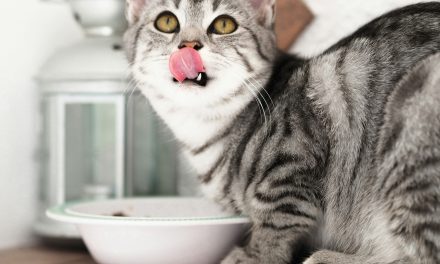
Cats are obligate carnivores, meaning their diet must primarily consist of animal-based proteins to meet their physiological requirements. Unlike omnivores, felines have evolved to thrive on a diet rich in meat, which provides essential amino acids such as taurine, arginine, and methionine. These nutrients are crucial for maintaining optimal health, supporting heart function, and promoting healthy vision. A well-balanced diet should also include fats, carbohydrates, vitamins, and minerals to ensure comprehensive nutritional coverage.
When selecting cat food, it is vital to consider the life stage of your feline companion. Kittens require higher protein and fat content to support their rapid growth and development, while adult cats benefit from a balanced diet that maintains their weight and overall health. Senior cats may need specialized diets that address age-related health issues such as kidney function or joint health. Always consult with a veterinarian to determine the most appropriate dietary plan tailored to your cat’s specific needs.
Importance of Regular Veterinary Check-Ups
Routine veterinary examinations are essential for maintaining your cat’s health and well-being. Regular check-ups allow for early detection of potential health issues, enabling timely intervention and treatment. During these visits, veterinarians perform comprehensive physical examinations, assess body weight, and evaluate dental health. They may also recommend vaccinations and screenings for common feline diseases such as feline leukemia virus (FeLV) and feline immunodeficiency virus (FIV).
In addition to physical assessments, veterinarians can provide valuable guidance on nutrition, behavior, and preventive care. Establishing a consistent schedule for veterinary visits—ideally once a year for healthy adult cats and more frequently for kittens or senior cats—ensures that your feline friend receives the necessary care to thrive. Early diagnosis of conditions such as hyperthyroidism or diabetes can significantly improve prognosis and quality of life.
Keeping Your Cat Hydrated: Tips and Tricks

Hydration is a critical aspect of feline health, as cats are prone to urinary tract issues and kidney disease. Ensuring your cat consumes adequate water is essential for maintaining proper organ function and preventing dehydration. One effective strategy is to provide fresh water daily in multiple locations throughout your home. Cats are often more inclined to drink when water is readily accessible.
Consider investing in a pet water fountain, which can encourage increased water intake due to the flowing nature of the water. Cats are instinctively attracted to moving water, which mimics natural sources in the wild. Additionally, incorporating wet food into your cat’s diet can significantly boost hydration levels, as canned food typically contains around 70-80% moisture compared to dry kibble. Monitoring your cat’s water consumption can help identify potential health issues early on.
Creating a Safe and Stimulating Home Environment

A safe and stimulating environment is crucial for your cat’s mental and physical well-being. Cats are naturally curious creatures that require mental stimulation to prevent boredom and associated behavioral issues. Providing various enrichment activities—such as scratching posts, climbing trees, and interactive toys—can help satisfy their instinctual behaviors while keeping them engaged.
Safety is paramount when creating a home environment for your feline companion. Ensure that hazardous substances such as toxic plants, chemicals, or small objects that could be ingested are out of reach. Additionally, consider securing windows and balconies to prevent accidental falls or escapes. Creating a designated space for your cat with cozy hiding spots and vertical spaces can enhance their sense of security while promoting exploration.
Grooming Essentials for a Healthy Coat
| Metric | Description | Recommended Range/Value | Notes |
|---|---|---|---|
| Body Weight | Overall weight of the cat | 3.5 – 5.5 kg (7.7 – 12.1 lbs) | Varies by breed and age; monitor for sudden changes |
| Body Condition Score (BCS) | Assessment of fat and muscle covering | 4 – 5 (on a 9-point scale) | Helps identify underweight or overweight cats |
| Heart Rate | Number of heartbeats per minute | 140 – 220 beats per minute | Higher rates may indicate stress or illness |
| Respiratory Rate | Breaths per minute | 20 – 30 breaths per minute | Elevated rates can signal respiratory issues |
| Hydration Status | Assessment of fluid balance | Skin tent returns to normal within 2 seconds | Dehydration requires veterinary attention |
| Dental Health | Condition of teeth and gums | No tartar, redness, or bleeding | Regular dental check-ups recommended |
| Vaccination Status | Up-to-date immunizations | Annual or as recommended by vet | Prevents common infectious diseases |
| Parasite Control | Prevention of fleas, ticks, and worms | Regular treatments as advised | Essential for overall health |
| Activity Level | Daily physical activity and play | At least 30 minutes of active play | Supports mental and physical wellness |
| Nutrition | Quality and balance of diet | Complete and balanced cat food | Age and health-specific formulations preferred |
Regular grooming is essential for maintaining your cat’s coat health and overall hygiene. Cats are known for their grooming habits; however, they may require assistance from their owners, especially long-haired breeds that are prone to matting and tangles. Brushing your cat not only helps remove loose fur but also reduces the risk of hairballs and promotes healthy skin by distributing natural oils.
The frequency of grooming depends on your cat’s coat type; short-haired cats may require weekly brushing, while long-haired breeds may need daily attention. Additionally, regular grooming sessions provide an opportunity to check for signs of skin issues or parasites such as fleas or ticks. Bathing should be approached cautiously; most cats do not require frequent baths unless they become particularly dirty or have skin conditions that necessitate it.
Recognizing Signs of Common Cat Illnesses
Being vigilant about your cat’s health involves recognizing the signs of common illnesses that may arise throughout their life. Symptoms such as lethargy, changes in appetite or weight, vomiting, diarrhea, or excessive grooming can indicate underlying health issues that warrant veterinary attention. Additionally, behavioral changes such as increased aggression or withdrawal may signal discomfort or pain.
Common feline ailments include urinary tract infections (UTIs), dental disease, hyperthyroidism, and obesity-related conditions. Regular veterinary check-ups can aid in early detection of these issues; however, being observant at home is equally important. Keeping a close eye on your cat’s behavior and physical condition can help you identify potential problems before they escalate into more serious health concerns.
The Role of Exercise in Cat Wellness
Exercise plays a vital role in maintaining your cat’s physical health and preventing obesity-related diseases. Engaging in regular physical activity helps promote cardiovascular health, maintain muscle tone, and support mental well-being. Interactive playtime with toys such as feather wands or laser pointers can stimulate your cat’s natural hunting instincts while providing an outlet for energy.
Creating a structured play routine can help ensure your cat receives adequate exercise daily. Aim for at least 15-30 minutes of interactive playtime each day, adjusting the duration based on your cat’s age and activity level. Additionally, providing opportunities for independent play—such as puzzle feeders or treat-dispensing toys—can encourage mental stimulation while promoting physical activity.
Dental Care: Preventing Oral Diseases
Dental health is often overlooked in feline care but is crucial for overall wellness. Periodontal disease is one of the most common health issues affecting cats, leading to pain, tooth loss, and systemic infections if left untreated. Regular dental care—including professional cleanings by a veterinarian—can help prevent these complications.
At home, establishing a dental care routine is essential. Brushing your cat’s teeth several times a week with veterinary-approved toothpaste can significantly reduce plaque buildup and promote healthy gums. Additionally, providing dental treats or toys designed to promote oral hygiene can further support your cat’s dental health. Regularly inspecting your cat’s mouth for signs of dental disease—such as bad breath or swollen gums—can help catch issues early.
Managing Stress and Anxiety in Cats
Cats can experience stress and anxiety due to various factors such as changes in their environment, introduction of new pets, or alterations in routine. Recognizing the signs of stress—such as excessive grooming, hiding, or aggression—is crucial for addressing these issues effectively. Providing a calm environment with safe spaces where your cat can retreat when feeling overwhelmed is essential.
Consider implementing stress-reducing techniques such as pheromone diffusers or calming supplements recommended by veterinarians. Engaging in regular playtime can also serve as an outlet for pent-up energy and anxiety. If behavioral issues persist despite these interventions, consulting with a veterinarian or animal behaviorist may be necessary to develop a tailored management plan.
Vaccinations and Parasite Prevention
Vaccinations are a cornerstone of preventive healthcare for cats, protecting them from various infectious diseases that can have severe consequences if contracted. Core vaccinations include those against feline panleukopenia virus (FPV), feline calicivirus (FCV), feline herpesvirus (FHV), rabies, and feline leukemia virus (FeLV). Discussing vaccination schedules with your veterinarian ensures that your cat receives timely protection based on their lifestyle and risk factors.
In addition to vaccinations, parasite prevention is crucial for maintaining your cat’s health. Fleas, ticks, and intestinal worms can lead to significant health complications if left untreated. Regularly administering veterinarian-recommended parasite preventatives—such as topical treatments or oral medications—can help safeguard against infestations and associated diseases.
The Benefits of Mental Enrichment and Playtime
Mental enrichment is vital for promoting cognitive function and emotional well-being in cats. Engaging in stimulating activities helps prevent boredom-related behaviors while enhancing problem-solving skills. Interactive toys that challenge your cat’s intellect—such as puzzle feeders or treat-dispensing toys—can provide hours of entertainment while rewarding them for their efforts.
Incorporating playtime into your daily routine fosters a strong bond between you and your feline companion while promoting physical activity. Rotate toys regularly to maintain novelty and interest; this simple practice can keep your cat engaged and mentally stimulated over time. Additionally, providing opportunities for exploration—such as supervised outdoor time or window perches—can further enrich their environment.
In summary, understanding your cat’s nutritional needs is fundamental to their overall health; regular veterinary check-ups facilitate early detection of potential issues; hydration is crucial for organ function; creating a safe environment promotes exploration; grooming maintains coat health; recognizing illness signs aids in timely intervention; exercise supports physical wellness; dental care prevents oral diseases; managing stress enhances emotional well-being; vaccinations protect against infectious diseases; and mental enrichment fosters cognitive engagement—all contributing to a happy and healthy feline companion.
FAQs
What are the essential vaccinations for cats?
Essential vaccinations for cats typically include rabies, feline distemper (panleukopenia), feline herpesvirus, and feline calicivirus. Kittens usually receive a series of vaccinations starting at around six to eight weeks of age, with boosters given annually or every three years, depending on the vaccine and local regulations.
How often should I take my cat to the veterinarian?
It is generally recommended to take your cat to the veterinarian at least once a year for a wellness check-up. Senior cats or those with existing health issues may require more frequent visits, such as every six months, to monitor their health and adjust care as needed.
What are common signs of illness in cats?
Common signs of illness in cats include changes in appetite or weight, lethargy, vomiting, diarrhea, excessive grooming or scratching, changes in litter box habits, and unusual vocalizations. If you notice any of these signs, it is important to consult a veterinarian for further evaluation.
What should I feed my cat for optimal health?
For optimal health, cats should be fed a balanced diet that is appropriate for their age, weight, and health status. High-quality commercial cat food, whether dry or wet, should contain adequate protein, essential fatty acids, vitamins, and minerals. Always consult your veterinarian for specific dietary recommendations tailored to your cat’s needs.
How can I keep my cat mentally stimulated?
To keep your cat mentally stimulated, provide a variety of toys, engage in interactive play sessions, and create an enriching environment with scratching posts, climbing structures, and puzzle feeders. Additionally, rotating toys and introducing new activities can help maintain their interest and prevent boredom.