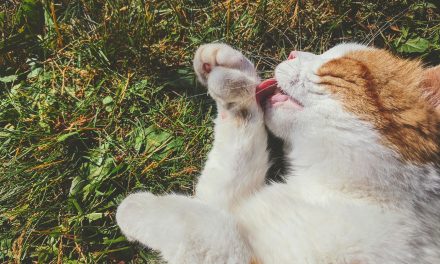
Cats are inherently instinctual creatures, driven by a complex interplay of behaviors that have evolved over thousands of years. Understanding these instincts is crucial for any cat owner aiming to foster a harmonious relationship with their feline companion. Predatory instincts, for instance, are deeply ingrained in a cat’s psyche. Even domesticated cats exhibit behaviors such as stalking, pouncing, and capturing prey, which can manifest in playtime activities. This predilection for hunting is not merely a pastime; it serves as an essential outlet for their energy and mental stimulation.
Moreover, territoriality is another fundamental instinct that shapes a cat’s behavior. Cats are known to be territorial animals, often marking their domain through scent marking and scratching. This behavior is not only a means of establishing boundaries but also a way to communicate with other cats. Understanding these natural instincts allows owners to create an environment that respects their cat’s needs while minimizing behavioral issues that may arise from frustration or boredom.
Creating a Safe and Stimulating Environment
A safe and stimulating environment is paramount for the well-being of your cat. This involves providing a space that caters to their natural instincts while ensuring their safety. Start by securing windows and balconies to prevent accidental falls, as cats are known for their curiosity and agility. Additionally, remove any toxic plants or hazardous materials that could pose a risk to your feline friend.
Incorporating vertical spaces, such as cat trees or shelves, can significantly enhance your cat’s environment. Cats love to climb and observe their surroundings from elevated positions, which satisfies their instinctual need for exploration and surveillance. Furthermore, providing interactive toys and puzzle feeders can stimulate their minds and keep them engaged. A well-rounded environment not only promotes physical health but also contributes to mental well-being.
Establishing Consistent Routines

Establishing consistent routines is vital for a cat’s emotional stability and overall behavior. Cats thrive on predictability, which helps reduce anxiety and stress levels. Feeding schedules should be regular, as this not only ensures proper nutrition but also reinforces a sense of security. Cats often feel more comfortable when they know what to expect throughout the day.
In addition to feeding times, incorporating play sessions into your daily routine can significantly enhance your cat’s quality of life. Engaging in interactive play helps channel their energy positively and strengthens the bond between owner and pet. Moreover, consistent grooming routines can help maintain your cat’s coat health while also serving as an opportunity for bonding and relaxation.
Using Positive Reinforcement Effectively

Positive reinforcement is a powerful tool in shaping your cat’s behavior. This technique involves rewarding desirable behaviors rather than punishing undesirable ones. When your cat exhibits good behavior, such as using the litter box or engaging in playtime, offering treats or verbal praise reinforces that behavior. Over time, your cat will associate positive outcomes with specific actions, leading to improved compliance.
It is essential to be consistent with rewards and timing. Immediate reinforcement following the desired behavior is crucial for effective learning. Additionally, varying the types of rewards can keep your cat engaged; consider using treats, toys, or affection as incentives. This approach not only fosters good behavior but also enhances the overall relationship between you and your feline companion.
Recognizing and Addressing Common Behavioral Issues
| Behavior | Description | Training Technique | Expected Outcome | Time to See Results |
|---|---|---|---|---|
| Scratching Furniture | Cat scratches furniture to mark territory and sharpen claws | Provide scratching posts and use positive reinforcement | Cat uses scratching post instead of furniture | 1-2 weeks |
| Litter Box Usage | Cat uses litter box for elimination | Keep litter box clean and place in quiet area | Consistent litter box use | Immediate to 3 days |
| Excessive Meowing | Cat vocalizes loudly or frequently | Ignore attention-seeking meows and reward quiet behavior | Reduced excessive vocalization | 2-4 weeks |
| Jumping on Counters | Cat jumps on kitchen counters or tables | Use deterrents like double-sided tape and reward staying on floor | Cat avoids counters | 1-3 weeks |
| Play Aggression | Cat bites or scratches during play | Redirect to toys and avoid using hands as toys | Gentler play behavior | 2-4 weeks |
Understanding common behavioral issues in cats is essential for effective management. Problems such as scratching furniture, litter box avoidance, or excessive vocalization can stem from various underlying causes, including stress, boredom, or medical conditions. Identifying the root cause is crucial for implementing appropriate solutions.
For instance, if your cat is scratching furniture, providing designated scratching posts can redirect this behavior positively. If litter box avoidance occurs, it may be necessary to evaluate the cleanliness of the box or consider the type of litter being used. In cases of excessive vocalization, assessing environmental factors or potential health issues may be warranted. Addressing these concerns promptly can prevent escalation and promote a harmonious living environment.
Teaching Basic Commands and Tricks
Teaching basic commands and tricks can be an enjoyable experience for both you and your cat. While cats may not respond to commands in the same way dogs do, they are capable of learning through consistent training methods. Start with simple commands such as “sit” or “high five.” Use treats as motivation and ensure that training sessions are short and engaging to maintain your cat’s interest.
Patience is key when teaching tricks; some cats may take longer than others to grasp new concepts. Incorporating play into training can make the process more enjoyable and less stressful for your feline friend. Over time, these training sessions can strengthen your bond while providing mental stimulation for your cat.
Proper Litter Box Training Techniques
Litter box training is one of the fundamental aspects of cat ownership that requires attention and care. Most cats instinctively know how to use a litter box; however, ensuring that they do so consistently involves several key factors. First and foremost, the litter box should be placed in a quiet, accessible location away from high-traffic areas.
Choosing the right type of litter is also crucial; many cats prefer unscented clumping litter that mimics natural soil. Regular cleaning is essential to maintain hygiene; cats are fastidious creatures that may refuse to use a dirty box. Additionally, providing multiple litter boxes in multi-cat households can help prevent territorial disputes and ensure that each cat has access to a clean space.
Managing Aggression and Fear Responses
Aggression and fear responses in cats can be challenging to manage but understanding their triggers is essential for effective intervention. Aggression may stem from fear, territorial disputes, or redirected aggression from external stimuli such as other animals or loud noises. Identifying the source of aggression allows owners to implement strategies to mitigate these behaviors.
Creating a safe space where your cat can retreat when feeling threatened is vital. This area should be equipped with familiar items such as bedding and toys to provide comfort. Gradual desensitization techniques can also help reduce fear responses; exposing your cat to triggering stimuli in controlled environments can foster confidence over time.
Encouraging Socialization with People and Other Pets
Socialization is crucial for a well-adjusted cat, particularly if you have multiple pets or frequently host guests. Gradual introductions to new people or animals can help reduce anxiety and promote positive interactions. Start by allowing your cat to observe newcomers from a distance before gradually decreasing that distance over time.
Positive reinforcement plays a significant role in socialization efforts; rewarding calm behavior during introductions can reinforce positive associations with new experiences. Additionally, providing safe spaces where your cat can retreat if feeling overwhelmed ensures they have control over their social interactions.
Providing Mental and Physical Enrichment
Mental and physical enrichment are essential components of a healthy lifestyle for cats. Engaging activities such as interactive toys, puzzle feeders, or even training sessions stimulate their minds while promoting physical activity. Regular playtime not only helps burn off excess energy but also strengthens the bond between you and your feline companion.
Incorporating environmental enrichment elements such as scratching posts, climbing structures, or window perches allows cats to explore their surroundings naturally. Rotating toys regularly keeps their environment fresh and exciting, preventing boredom-related behavioral issues from arising.
Knowing When to Seek Professional Help
Recognizing when to seek professional help is crucial for addressing persistent behavioral issues in cats. If you notice significant changes in behavior, such as aggression, withdrawal, or litter box avoidance that do not improve with consistent training efforts, consulting a veterinarian or animal behaviorist may be necessary. These professionals can assess underlying medical conditions or behavioral disorders that may require specialized intervention.
Additionally, if you are unsure about how to implement training techniques effectively or if you feel overwhelmed by your cat’s behavior, seeking guidance from an expert can provide valuable insights and strategies tailored to your specific situation.
In summary, understanding your cat’s natural instincts and creating an enriching environment are foundational elements of responsible pet ownership. Establishing routines and employing positive reinforcement techniques fosters good behavior while addressing common issues proactively enhances the human-animal bond. Providing mental stimulation through play and socialization opportunities contributes significantly to your cat’s overall well-being. Finally, knowing when to seek professional assistance ensures that both you and your feline companion can navigate challenges effectively for a harmonious coexistence.
FAQs
What are common signs of stress in cats?
Common signs of stress in cats include excessive grooming, hiding, changes in appetite, aggression, and vocalization. Cats may also exhibit litter box issues or changes in their sleeping patterns when they are stressed.
How can I train my cat to use a litter box?
To train your cat to use a litter box, place the box in a quiet, accessible location and fill it with a suitable litter. Encourage your cat to use it by placing them in the box after meals or naps. Reward them with treats and praise when they use the box correctly.
What are effective methods for discouraging unwanted behavior in cats?
Effective methods for discouraging unwanted behavior in cats include redirecting their attention to appropriate toys, using positive reinforcement for good behavior, and providing environmental enrichment. Avoid punishment, as it can lead to fear and anxiety.
How can I socialize a shy or fearful cat?
To socialize a shy or fearful cat, create a safe and calm environment, and allow the cat to approach you at their own pace. Use treats and toys to encourage interaction, and avoid overwhelming them with too much attention too quickly.
What are some common behavioral issues in cats and their solutions?
Common behavioral issues in cats include scratching furniture, litter box avoidance, and excessive meowing. Solutions include providing scratching posts, ensuring the litter box is clean and accessible, and identifying triggers for excessive vocalization to address them appropriately.