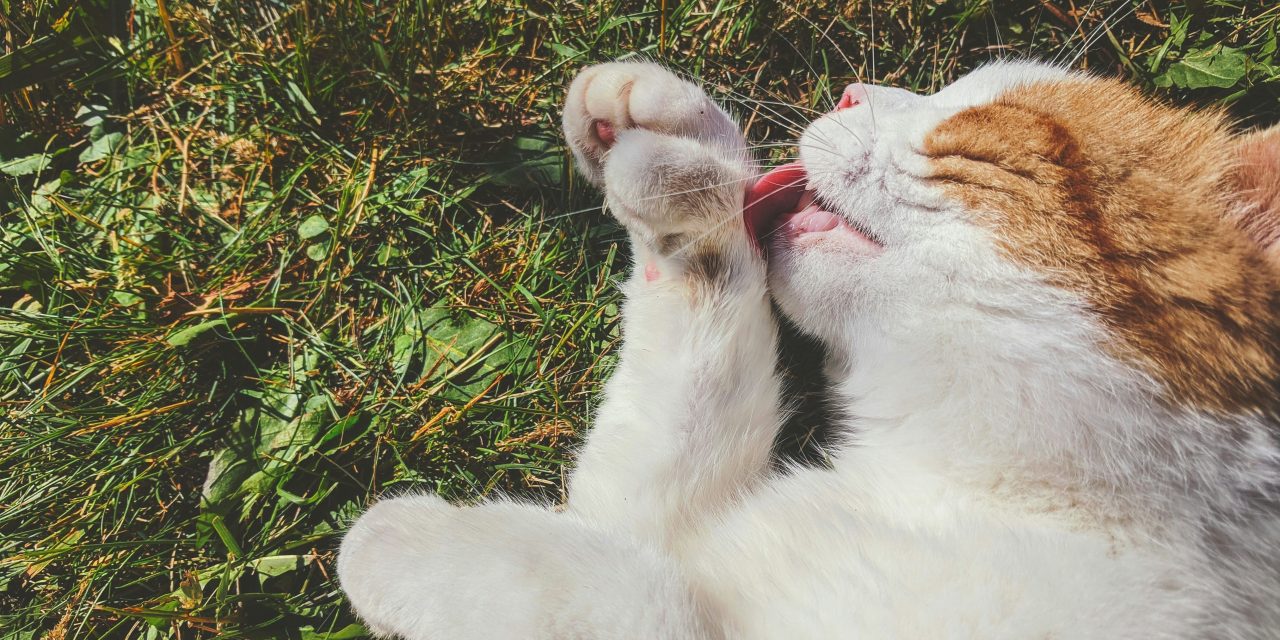
Grooming is an essential aspect of feline care that extends beyond mere aesthetics. Regular grooming plays a pivotal role in maintaining a cat’s overall health and well-being. Cats are known for their meticulous self-grooming habits; however, they may not always reach every area of their body effectively. This is particularly true for long-haired breeds, which can develop mats and tangles that lead to skin irritations or infections. Moreover, grooming sessions provide an excellent opportunity for pet owners to inspect their cats for any abnormalities, such as lumps, bumps, or parasites.
In addition to physical health benefits, grooming can significantly enhance the bond between a cat and its owner. The process of brushing or bathing can be a soothing experience for both parties, fostering trust and affection. Furthermore, regular grooming can help reduce stress and anxiety in cats, as it mimics the social grooming behaviors they exhibit with other felines. By incorporating grooming into your cat care routine, you not only promote hygiene but also contribute to your pet’s emotional well-being.
Choosing the Right Grooming Tools for Your Cat
Selecting appropriate grooming tools is crucial for effective cat grooming. The type of tools you need will largely depend on your cat’s coat type—short-haired or long-haired—as well as their temperament. For short-haired cats, a rubber grooming glove or a fine-toothed comb can effectively remove loose hair and dander while providing a gentle massage. Long-haired breeds, on the other hand, require specialized tools such as a wide-toothed comb or a slicker brush to detangle knots and prevent matting.
In addition to brushes and combs, consider investing in nail clippers designed specifically for cats. These clippers often feature a safety guard to prevent over-cutting, which can lead to painful injuries. Ear cleaning solutions and cotton balls are also essential for maintaining ear hygiene, while dental care products like cat toothpaste and toothbrushes are vital for oral health. By equipping yourself with the right tools, you can ensure that grooming sessions are efficient and enjoyable for both you and your feline companion.
How to Safely Brush Your Cat’s Fur

Brushing your cat’s fur is a straightforward process, but it requires patience and technique to ensure safety and comfort. Begin by choosing a quiet environment free from distractions. Gently introduce the brush to your cat by allowing them to sniff it before starting the grooming session. Once your cat appears comfortable, start brushing in the direction of hair growth using gentle strokes. Pay special attention to areas prone to tangling, such as behind the ears and under the legs.
If your cat shows signs of discomfort or agitation, take a break and allow them to relax before resuming. It’s essential to reward your cat with treats or praise during and after grooming sessions to create positive associations with the experience. For cats with particularly sensitive skin or those that are prone to matting, consider using a detangling spray designed for pets to ease the brushing process. Regular brushing not only keeps your cat’s coat healthy but also minimizes shedding and reduces the likelihood of hairballs.
Bathing Your Cat: When and How to Do It

Bathing cats is often a contentious topic among pet owners, as many felines are not fond of water. However, there are specific circumstances where bathing becomes necessary—such as when a cat gets into something sticky or smelly, or if they have skin conditions that require medicated baths. Before proceeding with a bath, ensure that your cat is calm and relaxed; this may involve acclimating them to water gradually.
When preparing for a bath, gather all necessary supplies beforehand: a cat-friendly shampoo, towels, and a non-slip mat for the tub or sink. Fill the tub with lukewarm water—never hot—and gently place your cat inside. Use a cup or handheld sprayer to wet their fur while avoiding their face and ears. Apply the shampoo according to the manufacturer’s instructions, ensuring thorough rinsing to prevent skin irritation. After bathing, wrap your cat in a towel to absorb excess water and keep them warm until they dry off completely.
Maintaining Your Cat’s Nail Health
| Metric | Description | Recommended Frequency | Notes |
|---|---|---|---|
| Brushing | Removing loose fur and preventing mats | Daily for long-haired cats; 2-3 times/week for short-haired cats | Use appropriate brush type for coat length |
| Bathing | Cleaning the cat’s fur and skin | Every 4-6 weeks or as needed | Most cats groom themselves; avoid over-bathing |
| Nail Trimming | Preventing overgrowth and injury | Every 2-4 weeks | Use proper nail clippers designed for cats |
| Ear Cleaning | Removing wax and debris to prevent infections | Monthly or as needed | Use vet-approved ear cleaning solutions |
| Dental Care | Preventing plaque and gum disease | Daily brushing or dental treats regularly | Use cat-specific toothpaste and toothbrush |
| Eye Cleaning | Removing discharge and preventing irritation | As needed | Use damp cotton ball; avoid harsh chemicals |
| Anal Gland Expression | Relieving discomfort from impacted glands | As needed, usually by a vet or groomer | Not commonly required for most cats |
Nail health is an often-overlooked aspect of feline grooming that can significantly impact your cat’s quality of life. Overgrown nails can lead to discomfort, difficulty walking, and even injury if they snag on surfaces. Regular nail trimming is essential; ideally, this should be done every 2-4 weeks depending on your cat’s activity level and lifestyle.
To trim your cat’s nails safely, use specialized cat nail clippers or human nail clippers if they are sharp enough. Begin by gently holding your cat’s paw and pressing on the pad to extend the claw. Identify the quick—the pink area within the nail that contains blood vessels—and avoid cutting into it, as this can cause pain and bleeding. If you’re unsure about where to cut, consult your veterinarian for guidance or ask them to demonstrate proper technique during your next visit.
Cleaning Your Cat’s Ears Properly
Ear hygiene is crucial for preventing infections and maintaining overall health in cats. Regular ear cleaning helps remove wax buildup, dirt, and debris that can lead to discomfort or ear infections if left unchecked. Signs that your cat may need ear cleaning include excessive scratching at their ears, shaking their head frequently, or an unpleasant odor emanating from the ear canal.
To clean your cat’s ears safely, use a veterinarian-recommended ear cleaning solution and cotton balls or gauze pads. Gently lift your cat’s ear flap and apply a few drops of the solution into the ear canal without inserting anything deep inside. Massage the base of the ear gently to distribute the cleaner before allowing your cat to shake their head—this helps dislodge debris. Finally, use a cotton ball to wipe away any excess wax or dirt visible in the ear flap area.
Dental Care Tips for a Healthy Cat Smile
Dental health is often neglected in feline care but is vital for preventing periodontal disease and other systemic health issues. Cats are prone to dental problems such as tartar buildup, gingivitis, and tooth decay if their oral hygiene is not maintained properly. Regular dental care should include brushing your cat’s teeth at least two to three times per week using toothpaste formulated specifically for cats.
Introduce dental care gradually by allowing your cat to taste the toothpaste before using a toothbrush designed for pets or a finger brush for gentle cleaning. Focus on brushing the outer surfaces of the teeth where plaque tends to accumulate most frequently. Additionally, consider incorporating dental treats or toys designed to promote oral health into your cat’s routine; these can help reduce plaque buildup while providing entertainment.
Managing Shedding and Hairballs Effectively
Shedding is a natural process in cats but can become problematic when it leads to excessive hairballs or allergies in sensitive individuals. To manage shedding effectively, establish a regular grooming routine that includes brushing sessions tailored to your cat’s coat type. This will help remove loose fur before it has a chance to accumulate around your home.
In addition to regular grooming, consider dietary adjustments that promote healthy skin and coat condition. High-quality cat food rich in omega-3 fatty acids can improve coat health while reducing shedding. If hairballs become frequent issues despite preventive measures, consult your veterinarian about potential solutions such as hairball control formulas or specialized diets designed to minimize hairball formation.
Identifying and Treating Skin Issues Early
Skin issues in cats can manifest in various forms—ranging from allergies and infections to parasites like fleas or mites. Early identification is crucial for effective treatment; therefore, regular grooming sessions provide an excellent opportunity for pet owners to inspect their cats’ skin closely. Look for signs such as redness, swelling, excessive scratching, or hair loss that may indicate underlying problems.
If you notice any abnormalities during grooming sessions, consult your veterinarian promptly for diagnosis and treatment options tailored specifically for your cat’s condition. Treatment may involve topical medications, oral medications, or changes in diet depending on the underlying cause of the skin issue.
Creating a Grooming Routine Your Cat Will Enjoy
Establishing a consistent grooming routine can significantly enhance both you and your cat’s experience during these sessions. Start by determining how often each grooming task should be performed based on your cat’s coat type and individual needs—this may range from daily brushing for long-haired breeds to weekly nail trimming for all cats.
Make grooming sessions enjoyable by incorporating treats or playtime afterward as positive reinforcement. Additionally, consider using calming pheromone sprays or diffusers in the grooming area to create a soothing environment that reduces anxiety during these activities.
When to Seek Professional Grooming Help
While many grooming tasks can be performed at home, there are instances when seeking professional help becomes necessary—especially for cats with severe matting or those requiring specialized care due to medical conditions. Professional groomers possess expertise in handling various breeds and temperaments while ensuring safety throughout the process.
If you’re unsure about how best to groom your cat or if they exhibit extreme anxiety during grooming sessions at home, consulting with a professional groomer may provide valuable insights into effective techniques tailored specifically for your feline companion.
In summary, regular grooming is essential for maintaining both physical health and emotional well-being in cats. By understanding the importance of grooming and employing appropriate tools and techniques, pet owners can create enjoyable experiences that foster trust between themselves and their feline companions while addressing various aspects of feline care—from nail trimming to dental hygiene—ensuring a happy and healthy life for their beloved pets.
FAQs
What are the basic grooming needs for a cat?
Basic grooming needs for a cat include regular brushing to remove loose fur and prevent matting, nail trimming to keep claws at a manageable length, and occasional baths if the cat gets particularly dirty. Additionally, dental care is important, so regular teeth brushing or dental treats can help maintain oral hygiene.
How often should I groom my cat?
The frequency of grooming depends on the cat’s breed and coat type. Long-haired cats typically require grooming several times a week, while short-haired cats may only need grooming once a week. Cats that shed heavily may need more frequent brushing during shedding seasons.
What tools are recommended for cat grooming?
Recommended grooming tools include a slicker brush for removing loose fur and tangles, a comb for detangling and checking for fleas, nail clippers for trimming claws, and a grooming glove for a gentle brushing experience. For bathing, a cat-specific shampoo is also advisable.
How can I help my cat get used to grooming?
To help your cat get used to grooming, start slowly by introducing the grooming tools and allowing your cat to sniff them. Gradually incorporate short grooming sessions into your routine, rewarding your cat with treats and praise to create a positive association with the process.
What are the signs that my cat needs grooming?
Signs that your cat may need grooming include visible mats or tangles in their fur, excessive shedding, a greasy or dirty coat, and difficulty in self-grooming. Additionally, if you notice your cat’s nails are too long or if they are scratching more than usual, it may be time for a grooming session.