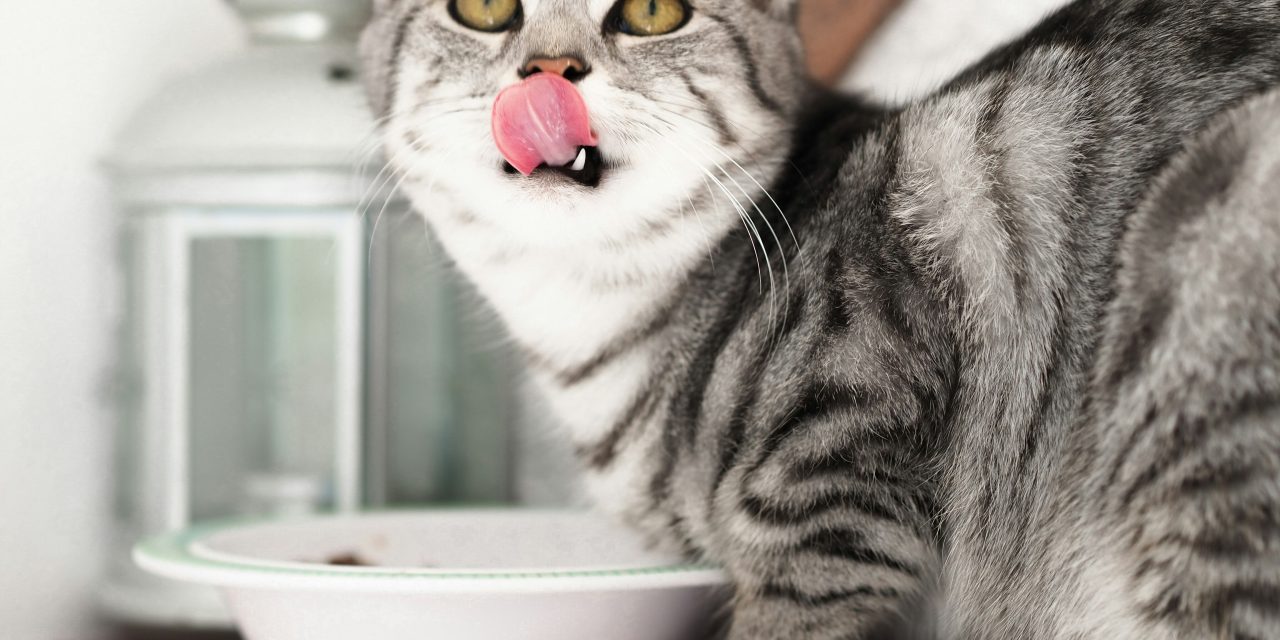
Cats are obligate carnivores, meaning their diet must primarily consist of animal-based proteins to meet their physiological requirements. Unlike omnivorous species, felines have evolved to thrive on a diet rich in meat, which provides essential amino acids such as taurine, arginine, and methionine. These amino acids play critical roles in various bodily functions, including heart health, vision, and immune response. Additionally, cats require specific vitamins and minerals, including vitamin A, niacin, and arachidonic acid, which are predominantly found in animal tissues.
Understanding the nutritional needs of your feline companion is paramount for maintaining optimal health. A balanced diet should include a proper ratio of proteins, fats, and carbohydrates. Proteins should constitute approximately 30-40% of their diet, while fats should account for 20-30%. Carbohydrates can be included but should not exceed 10-15% of the total caloric intake. Furthermore, hydration is crucial; cats often have a low thirst drive and may not drink enough water if they consume dry food exclusively. Therefore, ensuring adequate moisture intake is vital for preventing urinary tract issues and promoting overall well-being.
Choosing the Right Type of Cat Food
Selecting the appropriate cat food can be a daunting task given the plethora of options available on the market. Cat food generally falls into three categories: dry kibble, wet canned food, and raw diets. Each type has its advantages and disadvantages that pet owners should consider. Dry kibble is convenient and cost-effective but may lack moisture content, which is essential for hydration. Wet food, on the other hand, provides higher moisture levels and can be more palatable for picky eaters. Raw diets are gaining popularity among some cat owners but require careful handling to avoid bacterial contamination.
When choosing cat food, it is essential to consider your cat’s age, weight, activity level, and any specific health concerns. For instance, kittens require higher protein levels for growth and development, while senior cats may benefit from diets formulated to support joint health and cognitive function. Additionally, some cats may have unique dietary needs due to allergies or sensitivities that necessitate specialized formulations. Consulting with a veterinarian can provide valuable insights into selecting the most suitable food for your feline friend.
Reading and Interpreting Cat Food Labels

Understanding cat food labels is crucial for making informed decisions about your pet’s diet. The Association of American Feed Control Officials (AAFCO) provides guidelines that manufacturers must follow when labeling pet food products. The label typically includes the product name, guaranteed analysis, ingredient list, feeding guidelines, and nutritional adequacy statement.
The ingredient list is particularly important; ingredients are listed in descending order by weight. Look for high-quality protein sources such as chicken or fish as the first ingredient. Avoid foods that list fillers like corn or soy as primary ingredients, as these do not provide significant nutritional value for cats. The guaranteed analysis section provides information on the minimum percentages of crude protein and fat as well as the maximum percentages of fiber and moisture. This information helps pet owners assess whether the food meets their cat’s dietary requirements.
The Importance of Portion Control

Portion control is a critical aspect of feline nutrition that can significantly impact a cat’s overall health. Obesity is a prevalent issue among domestic cats and can lead to various health complications such as diabetes mellitus, arthritis, and cardiovascular disease. To prevent obesity, it is essential to measure food portions accurately based on your cat’s weight and activity level.
Veterinarians often recommend using a feeding guide provided on the cat food packaging as a starting point. However, individual needs may vary; factors such as age, metabolism, and lifestyle should be considered when determining portion sizes. Regularly monitoring your cat’s weight and body condition score can help identify any necessary adjustments in feeding practices. If your cat is overweight or underweight, consult with a veterinarian to develop a tailored feeding plan that promotes healthy weight management.
Establishing a Consistent Feeding Schedule
| Metric | Description | Recommended Amount/Frequency | Notes |
|---|---|---|---|
| Daily Caloric Intake | Average calories needed per day for an adult cat | 200-300 kcal | Depends on activity level, age, and health |
| Protein Content | Percentage of protein in cat food | 30-40% | Essential for muscle maintenance and energy |
| Fat Content | Percentage of fat in cat food | 15-20% | Provides energy and supports skin and coat health |
| Water Intake | Amount of water a cat should drink daily | 50-60 ml per kg body weight | Includes water from food and drinking water |
| Meal Frequency | Number of meals per day | 2-3 meals | Helps maintain metabolism and prevent overeating |
| Taurine Requirement | Essential amino acid for cats | 100 mg/kg of diet | Critical for heart and eye health |
| Fiber Content | Percentage of fiber in cat food | 2-4% | Supports digestive health |
| Carbohydrate Content | Percentage of carbohydrates in cat food | Less than 10% | Cats are obligate carnivores and require low carbs |
Establishing a consistent feeding schedule is vital for maintaining your cat’s health and well-being. Cats thrive on routine; regular feeding times can help regulate their metabolism and prevent overeating or begging behaviors. Most veterinarians recommend feeding adult cats twice daily—once in the morning and once in the evening—while kittens may require more frequent meals due to their higher energy needs.
When creating a feeding schedule, consider your lifestyle and your cat’s preferences. Some cats may prefer free-feeding (having access to food throughout the day), while others may do better with scheduled meals. Regardless of the method chosen, consistency is key; try to feed your cat at the same times each day to establish a routine that promotes healthy eating habits.
The debate between wet food and dry food has long been a topic of discussion among cat owners and veterinarians alike. Each type of food offers distinct advantages that cater to different feline needs. Wet food typically contains higher moisture content—often around 75-80%—which can aid in hydration and support urinary tract health. This is particularly beneficial for cats prone to urinary crystals or stones.
On the other hand, dry food is more convenient for storage and feeding; it can also help reduce dental plaque buildup due to its crunchy texture. However, it is essential to ensure that your cat drinks enough water if consuming dry kibble exclusively. Some pet owners choose to provide a combination of both wet and dry food to balance hydration needs while also offering variety in texture and flavor.
Incorporating Fresh Water into Your Cat’s Diet
Hydration plays a crucial role in maintaining your cat’s overall health; however, many cats do not drink enough water daily. To encourage adequate fluid intake, it is essential to provide fresh water at all times. Cats are instinctively drawn to running water; therefore, using a pet water fountain can entice them to drink more frequently.
In addition to providing fresh water, incorporating wet food into your cat’s diet can significantly increase their moisture intake. Cats consuming primarily dry kibble may be at risk for dehydration-related issues such as kidney disease or urinary tract infections. Monitoring your cat’s water consumption and ensuring they have access to clean water throughout the day will help promote optimal hydration levels.
Avoiding Toxic and Harmful Foods
Certain foods pose significant risks to feline health and should be avoided at all costs. Common toxic substances include chocolate, onions, garlic, grapes, raisins, alcohol, caffeine, and xylitol (a sugar substitute). These foods can lead to severe health complications ranging from gastrointestinal distress to organ failure.
It is crucial for pet owners to educate themselves about these harmful substances and ensure that their cats do not have access to them. Additionally, some human foods may cause gastrointestinal upset or allergic reactions in cats even if they are not classified as toxic. Always consult with a veterinarian before introducing new foods into your cat’s diet to ensure safety.
Recognizing Signs of Food Allergies or Intolerances
Food allergies or intolerances can manifest in various ways in cats, making it essential for pet owners to recognize potential signs early on. Common symptoms include gastrointestinal disturbances such as vomiting or diarrhea, skin irritations like itching or rashes, and behavioral changes such as increased aggression or lethargy.
If you suspect that your cat may have a food allergy or intolerance, it is crucial to consult with a veterinarian for proper diagnosis and management. An elimination diet may be recommended to identify specific allergens by gradually reintroducing ingredients one at a time while monitoring for adverse reactions.
Adjusting Diet for Cats with Special Health Conditions
Cats with specific health conditions may require tailored dietary adjustments to manage their symptoms effectively. For instance, cats diagnosed with chronic kidney disease often benefit from diets low in protein but high in quality protein sources to reduce kidney workload while still providing essential nutrients.
Similarly, diabetic cats may require high-protein, low-carbohydrate diets to help regulate blood sugar levels effectively. Cats with gastrointestinal disorders may benefit from easily digestible diets that minimize inflammation in the digestive tract. Collaborating with a veterinarian ensures that dietary modifications align with your cat’s unique health needs.
Consulting Your Veterinarian for Personalized Nutrition Advice
Consulting with a veterinarian is an invaluable step in ensuring your cat receives optimal nutrition tailored to their individual needs. Veterinarians possess extensive knowledge about feline nutrition and can provide personalized recommendations based on factors such as age, weight, activity level, and any existing health conditions.
Regular veterinary check-ups allow for ongoing assessment of your cat’s nutritional status and any necessary adjustments to their diet over time. Additionally, veterinarians can guide you through transitioning between different types of food or addressing any concerns related to allergies or intolerances.
In summary, understanding your cat’s nutritional needs is fundamental for promoting their overall health and well-being. By choosing the right type of food, reading labels carefully, controlling portions effectively, establishing consistent feeding schedules, and consulting with veterinarians when necessary, you can ensure that your feline companion thrives on a balanced diet tailored specifically for them.
FAQs
What are the essential nutrients that cats need in their diet?
Cats require a balanced diet that includes proteins, fats, carbohydrates, vitamins, and minerals. Essential nutrients include taurine (an amino acid), arachidonic acid (a fatty acid), and certain vitamins like A and B vitamins, which are crucial for their overall health and well-being.
How often should I feed my cat?
The feeding frequency for cats can vary based on their age, health, and lifestyle. Generally, adult cats should be fed twice a day, while kittens may require three to four meals a day due to their higher energy needs. It’s important to establish a routine that suits your cat’s individual needs.
What type of food is best for my cat: dry, wet, or a combination?
Both dry and wet cat food have their benefits. Dry food is convenient and can help with dental health, while wet food provides additional moisture, which is beneficial for hydration. A combination of both can offer a balanced diet and cater to your cat’s preferences.
How can I tell if my cat is overweight or underweight?
To assess your cat’s weight, you can feel their ribs; they should be easily felt but not protruding. Additionally, you should be able to see a slight waist when viewed from above. If you’re unsure, consult your veterinarian for a proper weight assessment and recommendations.
Are there any foods that are toxic to cats?
Yes, several foods are toxic to cats, including chocolate, onions, garlic, grapes, and raisins. Additionally, alcohol and caffeine can be harmful. It’s essential to keep these foods out of reach and consult your veterinarian if you suspect your cat has ingested something toxic.