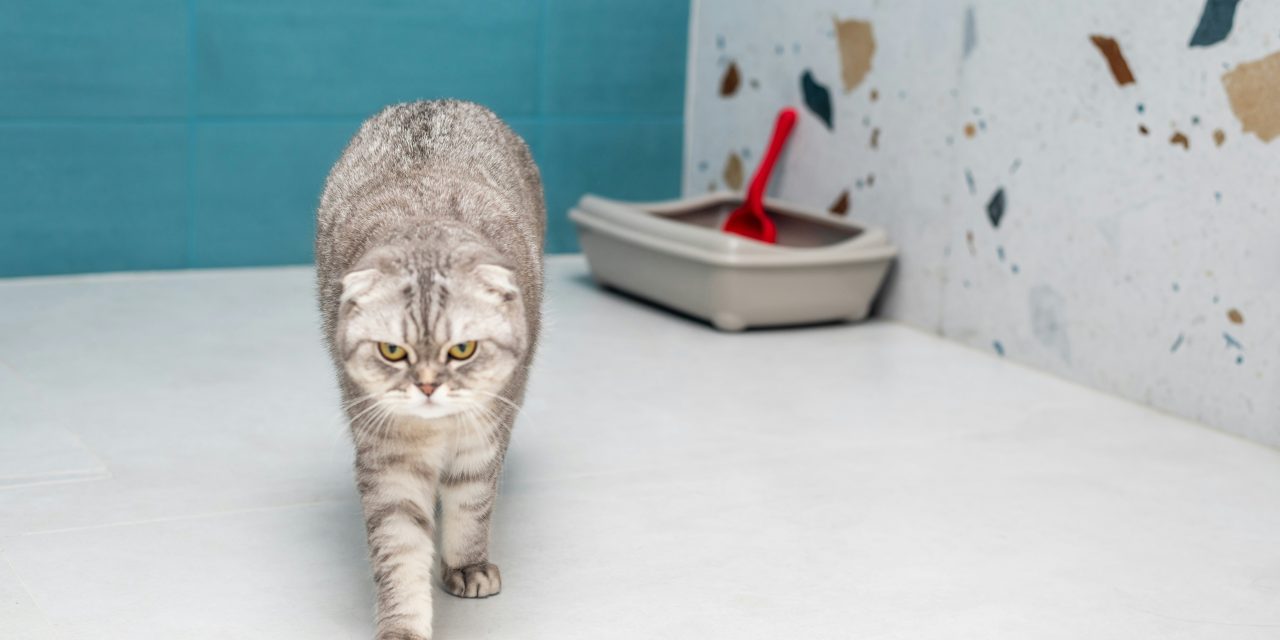
Transitioning your cat to a new litter type is a critical process that can significantly impact their overall well-being and comfort. Cats are creatures of habit, and any abrupt changes in their environment can lead to stress and behavioral issues. A smooth transition is essential not only for maintaining your cat’s litter box habits but also for ensuring their emotional stability. The right litter can enhance their bathroom experience, reduce the likelihood of accidents, and promote a healthy relationship with their litter box.
Moreover, the choice of litter can affect your cat’s health. Certain litters may contain harmful chemicals or allergens that could irritate their respiratory system or skin. Understanding the importance of a gradual transition allows you to select a litter that aligns with your cat’s preferences while minimizing potential health risks. This process requires patience and observation, as each cat has unique sensitivities and preferences that must be respected.
Recognizing Your Cat’s Preferences and Sensitivities
Every feline has distinct preferences when it comes to litter types, which can include texture, scent, and clumping ability. Some cats prefer fine-grained litters that mimic sand, while others may favor larger granules. Additionally, certain scents can be off-putting to sensitive noses; thus, unscented options are often recommended for cats with heightened olfactory sensitivities. Observing your cat’s behavior with their current litter can provide valuable insights into their preferences.
Sensitivity to litter materials can also manifest in physical reactions. For instance, some cats may develop allergies or irritations from specific ingredients found in certain litters. Symptoms such as excessive grooming, sneezing, or changes in litter box habits may indicate an adverse reaction. By recognizing these signs early on, you can make informed decisions about which litter types to avoid and which ones may be more suitable for your feline companion.
Gradually Introducing the New Litter Type

The introduction of a new litter type should be approached with caution and care. A sudden switch can lead to confusion and anxiety for your cat, potentially resulting in litter box avoidance. To facilitate a smooth transition, it is advisable to introduce the new litter gradually over a period of several days to weeks. This method allows your cat to acclimate to the new texture and scent without feeling overwhelmed.
Begin by placing a small amount of the new litter in one corner of the existing litter box. This allows your cat to explore the new material at their own pace while still having access to their familiar litter. Observe their reactions closely; if they show interest in the new litter, you can gradually increase its proportion in the box over time. This gradual exposure helps reduce stress and encourages acceptance of the new litter type.
Mixing Old and New Litter: The Step-by-Step Approach

A systematic approach to mixing old and new litter can significantly ease the transition process. Start by adding approximately 25% of the new litter to the existing litter in the box. This ratio allows your cat to experience both types simultaneously without feeling overwhelmed by the change. Over the course of several days, gradually increase the proportion of new litter while decreasing the old litter.
For example, after three days, you might adjust the mixture to 50% new litter and 50% old litter. Continue this process until you reach a point where only the new litter remains in the box. Throughout this transition, it is crucial to monitor your cat’s behavior closely. If they seem hesitant or exhibit signs of distress, consider slowing down the process or reverting to a previous mixture ratio until they feel more comfortable.
Monitoring Your Cat’s Behavior During the Transition
Monitoring your cat’s behavior during the transition is vital for identifying any potential issues early on. Pay attention to how frequently they use the litter box, their body language while doing so, and any changes in their elimination habits. Signs of discomfort or avoidance may indicate that they are not adjusting well to the new litter type.
If your cat begins to avoid the litter box altogether or displays signs of stress—such as excessive vocalization or hiding—it may be necessary to reassess your approach. Consider reverting to their previous litter temporarily while you investigate alternative options or consult with a veterinarian for further guidance. Keeping a close eye on your cat’s behavior will help ensure that they remain comfortable and healthy throughout the transition process.
Maintaining Cleanliness to Prevent Aversion
Maintaining cleanliness in the litter box is paramount for encouraging consistent use by your cat. Cats are naturally clean animals and may refuse to use a dirty box, leading to accidents outside of it. Regular scooping—ideally once or twice daily—can help keep the litter fresh and odor-free. Additionally, it is essential to completely change the litter and clean the box with mild soap and water at least once a week.
Using an appropriate cleaning solution is crucial; avoid harsh chemicals that could leave residues harmful to your cat’s health. After cleaning, ensure that the box is thoroughly dried before adding fresh litter. A clean environment not only promotes good hygiene but also fosters a positive association with the litter box, making it more likely that your cat will continue using it throughout the transition.
Addressing Common Issues: Avoidance and Accidents
Despite careful planning, some cats may still exhibit avoidance behaviors or have accidents during a litter transition. If your cat refuses to use the box or begins eliminating outside of it, it is essential to address these issues promptly. First, evaluate whether there are any environmental stressors contributing to their behavior—such as changes in household dynamics or disruptions in routine.
If avoidance persists, consider reverting to their previous litter type temporarily while you reassess your approach. Additionally, consult with a veterinarian if accidents continue; underlying medical conditions such as urinary tract infections or behavioral issues may require professional intervention. Identifying and addressing these problems early on can help restore your cat’s confidence in using their litter box.
Providing Multiple Litter Boxes for a Stress-Free Switch
Providing multiple litter boxes can significantly alleviate stress during a transition period. Ideally, you should have one more box than the number of cats in your household; this ensures that each cat has access to a clean space without feeling territorial or anxious about sharing. Multiple boxes also allow for experimentation with different types of litter without forcing your cat into an uncomfortable situation.
When placing multiple boxes, consider various locations throughout your home—quiet areas away from high traffic zones are ideal. This setup encourages exploration and helps reduce anxiety associated with using a single box during a transition period. By offering choices, you empower your cat to select their preferred option, ultimately leading to a smoother adjustment process.
Using Positive Reinforcement to Encourage Use
Positive reinforcement is an effective strategy for encouraging your cat to use their new litter type during the transition process. Rewarding them with treats or praise immediately after they use the box can create positive associations with the new litter. This method reinforces desired behavior and helps alleviate any anxiety they may feel about using an unfamiliar material.
Consistency is key when employing positive reinforcement techniques; ensure that rewards are given promptly after successful use of the litter box. Over time, this approach can help build confidence in your cat’s ability to adapt to changes in their environment while fostering a strong bond between you and your feline companion.
When to Seek Veterinary Advice for Litter Box Problems
If you encounter persistent issues with your cat’s litter box habits despite implementing gradual transitions and positive reinforcement strategies, it may be time to seek veterinary advice. A veterinarian can help rule out underlying medical conditions such as urinary tract infections, kidney disease, or behavioral disorders that could be contributing to avoidance behaviors.
Additionally, if your cat exhibits signs of distress—such as excessive grooming, vocalization, or changes in appetite—professional guidance may be necessary. Early intervention can prevent further complications and ensure that your cat receives appropriate care tailored to their specific needs.
Tips for Long-Term Litter Maintenance and Cat Comfort
Maintaining long-term comfort for your cat involves regular upkeep of their litter box environment beyond just transitioning between types of litter. Consider investing in high-quality litters that are low in dust and free from harmful additives; this will promote respiratory health and overall well-being for your feline friend.
Additionally, regularly assess your cat’s preferences as they may change over time due to age or health conditions. Keeping an open line of communication with your veterinarian regarding any changes in behavior or health will help ensure that you are providing optimal care for your pet throughout their life stages.
In summary, transitioning your cat to a new litter type requires careful consideration of their preferences and sensitivities while maintaining cleanliness and monitoring behavior throughout the process. By employing gradual introduction techniques, providing multiple boxes, and utilizing positive reinforcement strategies, you can facilitate a smooth transition that promotes comfort and well-being for your feline companion. If challenges arise during this process, seeking veterinary advice can provide valuable insights into underlying issues that may need addressing for long-term success in maintaining healthy litter box habits.
FAQs
What are the signs that my cat is unhappy with their litter box?
Signs that your cat may be unhappy with their litter box include avoiding the box, urinating or defecating outside of it, excessive scratching at the litter, or showing signs of stress such as hiding or aggression. Additionally, if your cat is vocalizing more than usual when approaching the litter box, it may indicate discomfort.
How can I gradually introduce a new type of cat litter?
To gradually introduce a new type of cat litter, start by mixing a small amount of the new litter with the old litter in the box. Over the course of several days or weeks, gradually increase the proportion of the new litter while decreasing the old litter. This slow transition helps your cat adjust to the new texture and scent without causing confusion or stress.
Is it necessary to clean the litter box before switching litters?
Yes, it is advisable to clean the litter box before switching litters. Thoroughly clean the box with mild soap and water to remove any residual odors or bacteria. This ensures that your cat has a fresh and inviting environment, which can help them accept the new litter more easily.
What types of litter are generally more acceptable to cats?
Cats typically prefer clumping clay litters, as they mimic the texture of natural soil. Other popular options include crystal litters, biodegradable litters made from materials like corn or wheat, and recycled paper litters. It’s important to consider your cat’s preferences and any sensitivities they may have when choosing a new litter type.
How long should I expect the transition to take?
The transition to a new cat litter can take anywhere from a few days to a few weeks, depending on your cat’s adaptability. Monitor your cat’s behavior during this period, and be patient. If your cat shows signs of distress or refuses to use the litter box, consider slowing down the transition process or reverting to the previous litter temporarily.