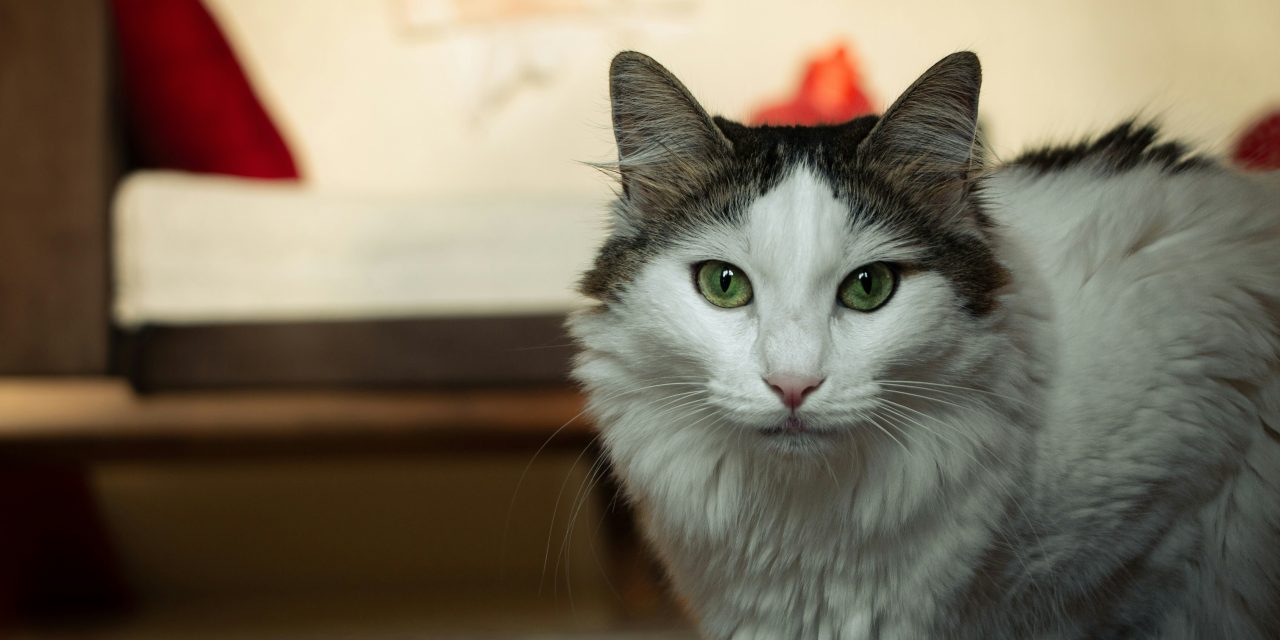
Cats are enigmatic creatures, often captivating their human companions with their expressive eyes and intense stares. The gaze of a feline can convey a multitude of emotions and intentions, ranging from curiosity to affection, and even distress. Understanding the nuances of your cat’s gaze is essential for fostering a strong bond and ensuring their well-being. This article delves into the various reasons behind a cat’s stare, exploring the psychological and behavioral aspects that influence this fascinating aspect of feline communication.
The eyes of a cat are not merely windows to their soul; they are also vital tools for interaction with their environment and their human counterparts. With a unique anatomy that includes a reflective layer called the tapetum lucidum, cats possess superior night vision, allowing them to observe their surroundings with remarkable clarity. This ability to see in low light conditions enhances their predatory instincts and contributes to their captivating gaze. By understanding the significance of your cat’s stare, you can better interpret their needs and emotions, ultimately leading to a more harmonious relationship.
The Role of Curiosity in Cat Staring
Curiosity is an intrinsic trait of felines, driving them to explore their surroundings and investigate new stimuli. When a cat stares intently at an object or movement, it is often a manifestation of their inquisitive nature. This behavior is not only instinctual but also serves as a survival mechanism, allowing them to assess potential threats or opportunities in their environment. A cat’s gaze can reveal their interest in various stimuli, such as a fluttering insect, a rustling bag, or even the movement of their human companions.
Moreover, the act of staring can be a form of mental stimulation for cats. Engaging with their environment through observation helps to keep their minds sharp and active. Providing your feline friend with interactive toys or engaging activities can further enhance their curiosity and reduce boredom. By understanding the role of curiosity in your cat’s staring behavior, you can create an enriching environment that caters to their natural instincts.
Seeking Attention: How Cats Communicate Needs

Cats are adept communicators, utilizing various forms of body language to express their needs and desires. A prolonged stare can often indicate that your cat is seeking attention or interaction. Unlike dogs, who may bark or whine to get noticed, cats tend to rely on subtler cues, such as eye contact, to convey their intentions. When your feline companion locks eyes with you, it may be an invitation for playtime, petting, or simply companionship.
In addition to seeking attention, a cat’s stare can also signal specific needs such as hunger or discomfort. For instance, if your cat is fixated on their food bowl or the area where treats are stored, it is likely that they are communicating their desire for nourishment. Recognizing these cues can help you respond appropriately to your cat’s needs, ensuring they feel valued and understood.
Bonding and Affection Through Eye Contact

Eye contact plays a significant role in the bond between cats and their human companions. When a cat gazes at you softly, it can be interpreted as a sign of affection and trust. This behavior is often accompanied by slow blinking, which is considered a “cat kiss.” By reciprocating this gesture with slow blinks of your own, you can strengthen the emotional connection between you and your feline friend.
Furthermore, studies have shown that mutual eye contact between cats and humans can lead to the release of oxytocin, often referred to as the “love hormone.” This neuropeptide plays a crucial role in social bonding and attachment. By fostering positive eye contact with your cat, you not only enhance your relationship but also contribute to their overall emotional well-being.
Cats and Their Hunting Instincts: Observing Behavior
The hunting instincts of cats are deeply ingrained in their behavior, influencing how they interact with their environment. A cat’s stare can often be linked to their predatory nature; when they fixate on an object or movement, they may be assessing it as potential prey. This behavior is particularly evident when they observe birds outside the window or engage in play with toys that mimic hunting scenarios.
Understanding this aspect of your cat’s behavior can help you provide appropriate outlets for their instincts. Interactive toys that encourage stalking and pouncing can satisfy their hunting drive while keeping them physically active. Additionally, creating an enriched environment with climbing structures and hiding spots allows your cat to engage in natural behaviors that promote mental stimulation and physical health.
Signs of Trust: What a Cat’s Stare Means
A cat’s stare can be a powerful indicator of trust and comfort within its environment. When a feline feels secure, it may engage in prolonged eye contact with its owner or other familiar individuals. This behavior signifies that the cat does not perceive any threat and is willing to let its guard down. Conversely, if a cat avoids eye contact or stares with dilated pupils, it may indicate fear or anxiety.
Recognizing these signs is crucial for understanding your cat’s emotional state. Providing a safe and nurturing environment can help foster trust between you and your feline companion. Creating cozy spaces where your cat can retreat when feeling overwhelmed can also contribute to their sense of security.
When Staring Indicates Hunger or Thirst
One of the most common reasons for a cat’s intense stare is hunger or thirst. If your feline friend is fixated on its food bowl or water dish, it is likely communicating its need for sustenance. Cats are creatures of habit; therefore, maintaining a consistent feeding schedule can help alleviate anxiety related to hunger.
In addition to visual cues, pay attention to other behaviors that may accompany staring when your cat is hungry. Vocalizations such as meowing or pacing near food sources may indicate that it is time for a meal. Ensuring that your cat has access to fresh water at all times is equally important for its overall health and hydration.
Detecting Stress or Anxiety in Your Cat’s Eyes
While staring can indicate curiosity or affection, it can also be a sign of stress or anxiety in cats. A fixed gaze accompanied by dilated pupils may suggest that your feline friend is feeling threatened or uncomfortable in its environment. Other signs of stress may include excessive grooming, hiding, or changes in appetite.
To mitigate stress in your cat’s life, consider implementing calming strategies such as providing safe spaces where they can retreat when feeling overwhelmed. Additionally, pheromone diffusers designed specifically for cats can help create a soothing atmosphere that reduces anxiety levels. Regular playtime and interactive activities can also serve as effective outlets for pent-up energy and stress.
The Influence of Environment on Cat Staring Habits
The environment plays a significant role in shaping a cat’s staring habits. Factors such as noise levels, presence of other pets, and changes in routine can all influence how your feline interacts with its surroundings. For instance, if there are new pets or unfamiliar visitors in the home, your cat may exhibit increased staring behavior as it assesses potential threats.
Creating a stable and enriching environment is essential for promoting healthy staring habits in cats. Providing vertical spaces for climbing and perches for observation allows them to feel secure while surveying their territory. Additionally, minimizing loud noises and sudden changes in routine can help reduce anxiety-related staring behaviors.
How Your Cat Uses Staring to Establish Territory
Cats are territorial animals by nature, and staring plays a crucial role in establishing boundaries within their environment. When a cat stares at another animal or person intruding on its space, it is often asserting dominance or signaling that they are not welcome. This behavior is particularly evident during interactions with other pets in the household.
To manage territorial disputes among multiple cats, ensure that each feline has access to its own resources such as food bowls, litter boxes, and resting areas. Providing vertical spaces where cats can escape from one another can also help reduce conflicts related to territory.
When to Be Concerned: Staring as a Sign of Health Issues
While staring is often a normal behavior for cats, there are instances when it may indicate underlying health issues. If your cat exhibits prolonged staring without blinking or appears disoriented while staring at walls or objects, it could be a sign of neurological problems or vision impairment. Additionally, if accompanied by other concerning symptoms such as lethargy or changes in appetite, it is essential to consult with a veterinarian promptly.
Regular veterinary check-ups are crucial for monitoring your cat’s health and addressing any potential issues early on. By staying vigilant about changes in behavior and seeking professional advice when necessary, you can ensure that your feline companion remains healthy and happy.
In summary, understanding the various reasons behind your cat’s gaze can significantly enhance your relationship with them while promoting their well-being. From curiosity-driven stares to expressions of affection and communication of needs, each glance carries meaning that reflects your feline friend’s emotional state and instincts. By recognizing these cues and responding appropriately, you can create an enriching environment that nurtures trust and strengthens the bond between you and your beloved pet.
FAQs
Why does my cat stare at me without blinking?
Cats often stare without blinking as a sign of affection and trust. In the feline world, prolonged eye contact can be a way to communicate comfort and safety. If your cat stares at you and occasionally blinks slowly, it’s often referred to as a “cat kiss,” indicating that they feel secure in your presence.
Is my cat staring at me because they want something?
Yes, cats may stare at their owners to communicate a need or desire. This could be for food, attention, or playtime. If your cat is staring intently, it might be their way of signaling that they want you to engage with them or fulfill a specific need.
What does it mean when my cat stares at me while I’m eating?
When your cat stares at you while you’re eating, it’s likely a combination of curiosity and desire. Cats are naturally inquisitive and may be interested in what you’re eating. They might also be hoping for a taste or a treat, as many cats associate their owners eating with the possibility of receiving food.
Can staring be a sign of aggression in cats?
While staring can indicate affection, it can also be a sign of aggression or dominance in certain contexts. If a cat is staring intensely with dilated pupils and a tense body posture, it may be feeling threatened or ready to defend itself. It’s important to observe other body language cues to determine the cat’s emotional state.
Should I be concerned if my cat stares at me for long periods?
Generally, there is no need for concern if your cat stares at you for long periods, as it is often a normal behavior. However, if the staring is accompanied by other unusual behaviors, such as changes in appetite, lethargy, or signs of distress, it may be worth consulting a veterinarian to rule out any underlying health issues.