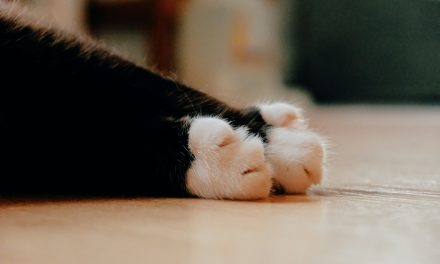
Cats are known for their unique sleeping habits, often spending up to 16 hours a day in slumber. This extensive sleep is not merely a sign of laziness; it is an evolutionary trait that allows felines to conserve energy for hunting and other activities. Understanding your cat’s sleeping preferences can provide insight into its overall health and well-being. Cats are crepuscular creatures, meaning they are most active during dawn and dusk. This natural inclination influences their sleep patterns, leading them to seek out cozy, secure spots during the day.
When observing your feline companion, you may notice that it gravitates toward specific locations for rest. These choices can be influenced by various factors, including environmental conditions, personal comfort, and even social dynamics within the household. For instance, a cat may prefer a sunny windowsill or a warm blanket over a cold floor. Recognizing these preferences can help you create an environment that caters to your cat’s needs, ensuring it feels safe and comfortable while resting.
The Comfort Factor: Why Your Cat Chooses You
One of the most endearing aspects of feline behavior is their tendency to seek out human companionship during sleep. When your cat curls up next to you or chooses to nap on your lap, it is often a testament to the comfort and security you provide. Cats are instinctively drawn to warmth and softness, and your body offers both in abundance. The gentle rise and fall of your breathing can also create a soothing rhythm that lulls them into a deeper state of relaxation.
Moreover, the bond between you and your cat plays a significant role in its sleeping preferences. Cats are known to form strong attachments to their human caregivers, often viewing them as part of their social group. This connection fosters a sense of trust and safety, making your presence an ideal sleeping companion. By understanding this dynamic, you can appreciate the significance of your cat’s choice to sleep near you, reinforcing the emotional bond that exists between you both.
The Warmth Advantage of Sleeping on You

Cats are naturally drawn to warmth, which is why they often seek out sunny spots or cozy blankets for their naps. When they choose to sleep on you, they are not only enjoying the physical warmth your body provides but also the emotional comfort that comes with being close to a trusted companion. The average body temperature of a human is around 98.6°F (37°C), which is significantly warmer than most surfaces in the home. This warmth can be particularly appealing during colder months when cats may be more inclined to snuggle up for extra heat.
Additionally, the act of sleeping on you allows cats to conserve energy while still feeling secure. In the wild, cats often sleep in elevated or sheltered areas to avoid predators. By choosing to rest on you, they replicate this instinctual behavior in a safe environment. This preference for warmth and security highlights the importance of providing a comfortable space for your cat to rest, whether it be on your lap or in its designated sleeping area.
Seeking Security: How Your Presence Provides Safety

Cats are inherently cautious creatures, often relying on their instincts to navigate their surroundings. When they choose to sleep near you, it signifies a deep-rooted sense of security that comes from your presence. In the wild, cats are vulnerable while they sleep, making it essential for them to find safe spaces where they can rest without fear of predation. By curling up next to you, your cat is signaling that it feels protected and at ease in your company.
This need for security can be particularly pronounced in rescue cats or those with traumatic past experiences. These felines may exhibit heightened anxiety or fearfulness when left alone or in unfamiliar environments. By providing a consistent and nurturing presence, you can help alleviate some of these fears, allowing your cat to relax and enjoy restful sleep. Creating a safe haven within your home can further enhance this sense of security, encouraging your cat to feel comfortable enough to explore its surroundings while still having a safe retreat.
Bonding and Affection: What Sleeping Together Means
The act of sleeping together serves as a powerful bonding experience between you and your cat. When your feline companion chooses to curl up next to you, it is not merely seeking warmth; it is also expressing affection and trust. This behavior reinforces the emotional connection between you both, fostering a sense of companionship that can enhance your relationship over time.
Cats communicate their feelings through various behaviors, including purring, kneading, and nuzzling. When they choose to sleep beside you, they are often engaging in these affectionate behaviors as a way of expressing their love and appreciation for your presence. This mutual bond can lead to increased feelings of happiness and contentment for both you and your cat, creating a harmonious living environment where both parties feel valued and secure.
Scent and Familiarity: The Role of Your Smell
Cats possess an extraordinary sense of smell, which plays a crucial role in their daily lives. When they choose to sleep near you, they are often drawn by the familiar scent that emanates from your body. This olfactory connection provides comfort and reassurance, allowing them to feel more at ease while resting. Your scent serves as a reminder of safety and familiarity in an otherwise unpredictable world.
Moreover, cats have scent glands located on various parts of their bodies, including their cheeks and paws. When they rub against you or knead on your lap, they are marking you with their scent as a way of claiming you as part of their territory. This behavior further solidifies the bond between you and your cat, reinforcing the idea that you are a trusted companion worthy of their affection.
Cats as Social Animals: The Need for Companionship
While cats are often perceived as solitary creatures, they are inherently social animals that thrive on companionship. In multi-cat households or environments where they have regular interactions with humans, cats exhibit social behaviors that highlight their need for connection. Sleeping together serves as one way for them to fulfill this social need while also reinforcing their bonds with their human caregivers.
In addition to seeking companionship from humans, cats also engage in social grooming behaviors with one another when living in groups. This grooming not only helps maintain hygiene but also strengthens social bonds among feline companions. By understanding your cat’s social nature, you can better appreciate its desire for closeness during sleep and create an environment that fosters healthy relationships with both humans and other pets.
When it comes to choosing between sleeping on your body or in its designated bed, cats often weigh various factors before making a decision. While many cats have cozy beds filled with soft blankets or cushions, they may still prefer the warmth and security offered by sleeping on you. The contrast between these two options highlights the importance of comfort in a cat’s sleeping preferences.
Your body provides unique advantages that a traditional bed cannot replicate—namely warmth and movement. The gentle rise and fall of your breathing can create a soothing atmosphere that encourages relaxation. Additionally, the physical connection between you and your cat fosters feelings of safety that may not be present when sleeping alone in its bed. To encourage your cat to use its own bed while still providing comfort, consider placing it near your sleeping area or incorporating familiar scents into the bedding.
Behavioral Traits Influencing Sleep Choices
A variety of behavioral traits can influence where and how cats choose to sleep. Factors such as age, personality, and past experiences all play significant roles in shaping these preferences. For instance, younger cats may exhibit more playful behavior during waking hours but still seek out close contact with their owners during sleep as a way of bonding.
Conversely, older cats may prefer quieter spaces where they can rest undisturbed due to age-related health issues such as arthritis or decreased mobility. Understanding these behavioral traits can help you tailor your approach to meet your cat’s specific needs while ensuring it feels comfortable and secure during rest periods.
How Your Cat’s Age and Health Affect Sleeping Habits
As cats age, their sleeping habits may change significantly due to various health factors. Senior cats often experience changes in energy levels and may require more frequent naps throughout the day. Additionally, age-related conditions such as arthritis or dental issues can impact their ability to find comfortable sleeping positions.
Monitoring your cat’s health is essential for ensuring its overall well-being as it ages. Regular veterinary check-ups can help identify any underlying health concerns that may affect its sleeping habits or overall quality of life. Providing supportive bedding options or incorporating gentle stretches into its routine can also help alleviate discomfort associated with aging.
Tips for Encouraging Your Cat to Use Its Own Bed
While many cats prefer sleeping on their humans, there are several strategies you can employ to encourage them to use their own beds more frequently:
1. **Create an Inviting Space**: Ensure that your cat’s bed is comfortable by using soft bedding materials and placing it in a quiet area away from disturbances.
2. **Incorporate Familiar Scents**: Place items with your scent near the bed or use pheromone sprays designed for cats to create a calming atmosphere.
3. **Use Positive Reinforcement**: Reward your cat with treats or praise when it chooses to sleep in its bed instead of on you.
4. **Provide Multiple Options**: Offer various sleeping spots throughout the house so your cat can choose what feels most comfortable at any given time.
5. **Engage in Playtime**: Spend quality time playing with your cat before bedtime to help expend excess energy and encourage restful sleep.
By implementing these strategies, you can help foster an environment where your cat feels comfortable using its own bed while still enjoying the closeness of your companionship.
In summary, understanding why cats prefer sleeping near their humans involves recognizing their need for warmth, security, companionship, and comfort. By fostering an environment that caters to these needs while encouraging independent sleeping habits through positive reinforcement and thoughtful adjustments, you can enhance both your relationship with your feline friend and its overall well-being.
FAQs
Why does my cat prefer to sleep on me instead of its bed?
Cats often choose to sleep on their owners because they seek warmth, comfort, and security. Your body provides a cozy spot that mimics the warmth of their mother or littermates, making it a safe place for them to rest.
Is it a sign of affection when my cat sleeps on me?
Yes, when your cat sleeps on you, it is often a sign of affection and trust. Cats are social animals, and by choosing to sleep on you, they are expressing their bond and comfort with you as their caregiver.
Do cats sleep on their owners to mark territory?
Yes, cats have scent glands in their paws and face, and by sleeping on you, they may be marking you as part of their territory. This behavior reinforces their bond with you and establishes a sense of ownership and familiarity.
Can my cat’s sleeping habits indicate stress or anxiety?
While many cats sleep on their owners out of affection, it can also indicate stress or anxiety. If your cat is seeking extra comfort and security from you, it may be a response to changes in their environment or routine that are causing them distress.
Should I encourage my cat to sleep on me or redirect them to their bed?
It depends on your preference and your cat’s needs. If you enjoy the companionship and your cat seems happy, it’s perfectly fine to let them sleep on you. However, if you want to encourage them to use their bed, you can create a cozy and inviting space for them with soft bedding and familiar scents.