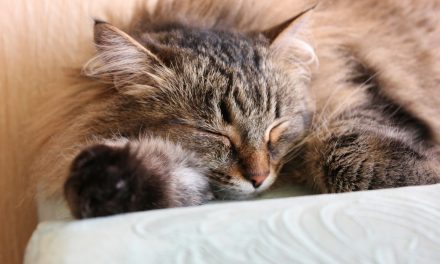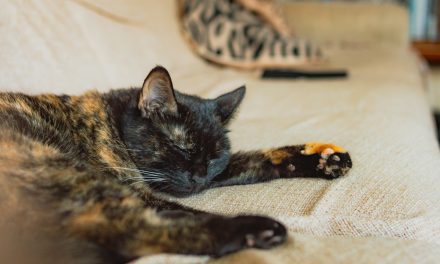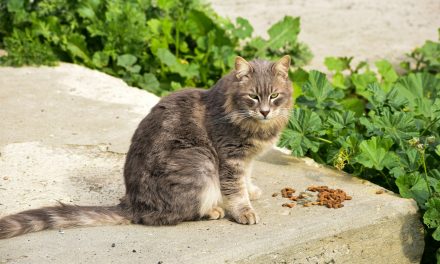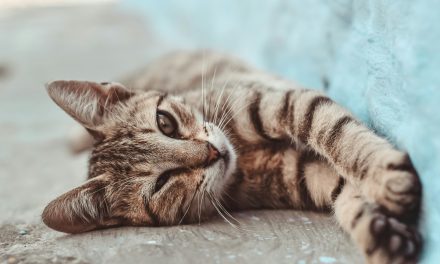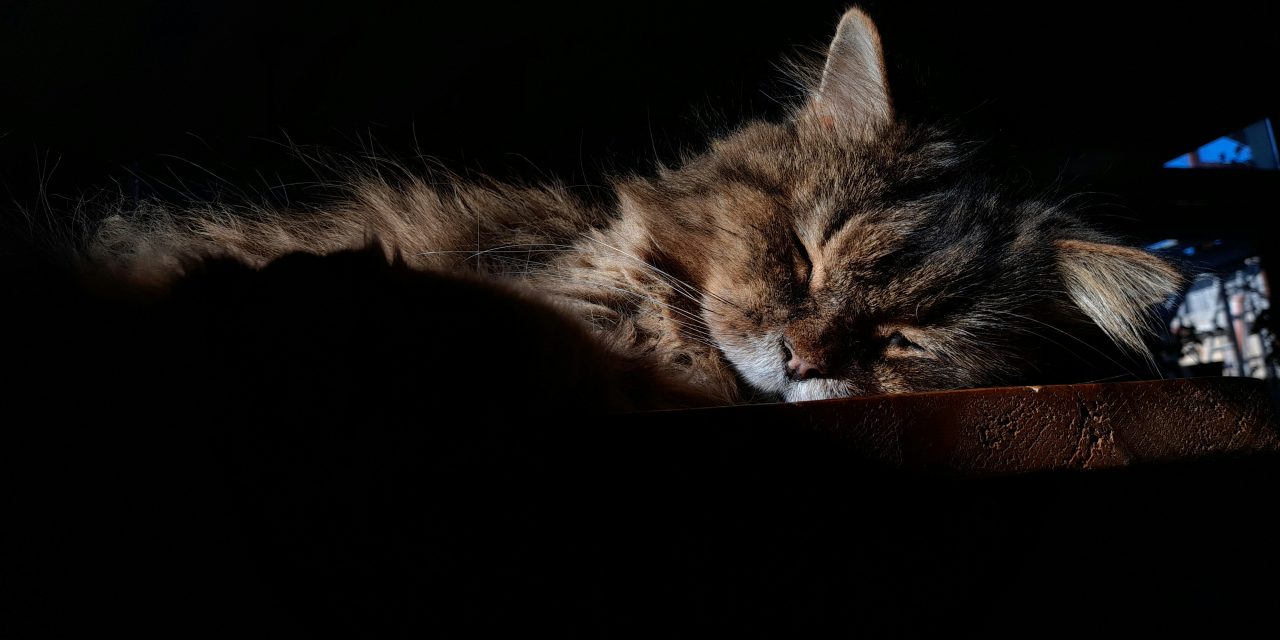
The phenomenon commonly referred to as “zoomies” in cats is characterized by sudden bursts of frenetic activity, where felines dash around the house at high speeds, often accompanied by playful antics. This behavior can be both amusing and perplexing for cat owners, as it typically occurs without any apparent trigger. Scientifically known as “frenetic random activity periods” (FRAPs), these episodes can last anywhere from a few seconds to several minutes, showcasing the cat’s agility and playful nature.
Zoomies are not exclusive to cats; dogs exhibit similar behaviors, but the underlying reasons can differ significantly between species. In felines, these bursts of energy often manifest during specific times of the day, particularly during twilight hours. Understanding this behavior is crucial for pet owners, as it can provide insights into their cat’s physical and psychological well-being.
The Natural Instincts Behind Cat Zoomies
Cats are inherently predatory creatures, and their instincts drive much of their behavior. The zoomies can be traced back to their ancestral roots as hunters. In the wild, cats engage in short, intense bursts of activity to catch prey, followed by periods of rest. This instinctual behavior is deeply ingrained in domestic cats, even if they are well-fed and do not need to hunt for survival.
Moreover, zoomies serve as an outlet for pent-up energy. Indoor cats, in particular, may experience a buildup of energy due to limited space for physical activity. The zoomies allow them to release this energy in a manner that mimics hunting behavior, providing both physical exercise and mental stimulation. Recognizing this instinctual drive can help owners appreciate the importance of playtime and environmental enrichment for their feline companions.
Why Nighttime Triggers Zoomies in Cats

Nighttime is often when cats exhibit their most energetic behaviors, including zoomies. This nocturnal activity can be attributed to their natural circadian rhythms, which are influenced by their evolutionary history as crepuscular hunters. Cats are most active during dawn and dusk, aligning their hunting instincts with the behavior of their prey.
Additionally, nighttime zoomies may be exacerbated by the quiet environment that typically accompanies evening hours. With fewer distractions and disturbances, cats feel more at liberty to engage in playful activities. This behavior can be particularly pronounced in indoor cats who may not have access to outdoor stimuli that would otherwise occupy their attention during the day.
The Role of Cat Energy Cycles and Sleep Patterns

Cats possess unique energy cycles that dictate their activity levels throughout the day. Unlike humans, who generally follow a diurnal pattern, cats alternate between periods of sleep and wakefulness. On average, a cat sleeps between 12 to 16 hours a day, with some breeds sleeping even more. This extensive sleep schedule allows them to conserve energy for short bursts of activity.
During the night, when most humans are asleep, cats may experience a surge in energy as they transition from deep sleep to wakefulness. This shift can lead to spontaneous zoomies as they engage in play or exploration. Understanding these natural energy cycles can help owners anticipate when their cats are likely to be most active and plan accordingly.
Hunting Instincts and Nighttime Activity
The hunting instincts of cats play a significant role in their nighttime behavior. As solitary hunters, cats rely on stealth and speed to catch prey. This predatory behavior is often mimicked during zoomies, where they may pounce on imaginary prey or chase after toys with fervor.
Nighttime activity aligns with their instinctual hunting patterns, as many small mammals are also nocturnal or crepuscular. This evolutionary adaptation ensures that cats remain alert and ready to hunt during peak activity times for their prey. Owners should recognize that these behaviors are not merely random; they are deeply rooted in the cat’s biology and survival instincts.
How Indoor Environments Affect Cat Behavior at Night
Indoor environments can significantly influence a cat’s behavior, particularly at night. Cats confined to small spaces may experience heightened levels of boredom and frustration due to limited opportunities for exploration and play. This lack of stimulation can lead to increased instances of zoomies as they seek ways to expend pent-up energy.
Moreover, the absence of natural stimuli—such as birds or other wildlife—can exacerbate this behavior. Providing an enriched environment with climbing structures, scratching posts, and interactive toys can help mitigate excessive nighttime activity by offering alternative outlets for energy expenditure. Creating a stimulating indoor environment is essential for promoting healthy behaviors in indoor cats.
The Influence of Diet and Feeding Schedules on Zoomies
Diet plays a crucial role in a cat’s overall health and behavior, including their propensity for zoomies. Cats require a balanced diet rich in protein to support their energy needs. Feeding schedules can also impact their activity levels; for instance, feeding a cat right before bedtime may lead to increased energy levels shortly after eating.
Conversely, if a cat is fed too infrequently or on an irregular schedule, they may experience spikes in energy due to hunger or anticipation of food. Establishing a consistent feeding routine can help regulate energy levels throughout the day and minimize nighttime zoomies. Additionally, incorporating high-quality cat food that meets their nutritional needs can contribute to overall well-being.
Age and Breed Factors Contributing to Nighttime Zoomies
Age and breed are significant factors influencing a cat’s likelihood of experiencing zoomies at night. Kittens and young cats tend to have higher energy levels and are more prone to spontaneous bursts of activity compared to older felines. As cats age, their energy levels typically decrease, leading to less frequent episodes of zoomies.
Certain breeds are also known for their playful and energetic nature. For example, breeds such as Abyssinians and Bengals are often more active than others like Persians or Ragdolls. Understanding these breed-specific traits can help owners tailor their expectations regarding nighttime behavior and provide appropriate outlets for energy.
Ways to Manage and Channel Your Cat’s Nighttime Energy
Managing your cat’s nighttime energy requires a multifaceted approach that includes playtime, environmental enrichment, and routine adjustments. Engaging your cat in interactive play sessions during the evening can help expend excess energy before bedtime. Toys that mimic prey behavior—such as feather wands or laser pointers—can stimulate your cat’s hunting instincts while providing physical exercise.
Additionally, creating an enriched environment with climbing structures and scratching posts can encourage exploration and play during the day, reducing the likelihood of nighttime zoomies. Establishing a consistent bedtime routine that includes winding down activities can also signal to your cat that it is time to settle down for the night.
When Zoomies Could Indicate Health Issues
While zoomies are typically harmless and part of normal feline behavior, there are instances where excessive activity could indicate underlying health issues. Conditions such as hyperthyroidism or anxiety disorders may lead to increased restlessness or hyperactivity in cats. If your cat exhibits sudden changes in behavior or experiences frequent episodes of zoomies accompanied by other concerning symptoms—such as weight loss or changes in appetite—it is essential to consult a veterinarian.
Regular veterinary check-ups can help identify potential health issues early on and ensure your cat remains healthy and happy. Monitoring your cat’s behavior closely will enable you to differentiate between normal playful antics and signs of distress or illness.
Creating a Calm Nighttime Routine for Your Cat
Establishing a calming nighttime routine is vital for promoting restful sleep for both you and your feline companion. Begin by dimming lights and reducing noise levels in your home as bedtime approaches. Engaging your cat in gentle play sessions followed by quiet time can help signal that it is time to wind down.
Consider incorporating soothing activities such as petting or brushing your cat before bed to foster relaxation. Providing a comfortable sleeping area with soft bedding will encourage your cat to settle down for the night peacefully. By creating an environment conducive to relaxation, you can help minimize nighttime zoomies while ensuring your cat feels secure and content.
In summary, understanding the phenomenon of zoomies in cats involves recognizing the natural instincts behind this behavior, including hunting tendencies and energy cycles. Factors such as diet, age, breed, and environmental influences all contribute to nighttime activity levels in felines. By implementing strategies for managing your cat’s energy through playtime and creating a calming nighttime routine, you can foster a harmonious living environment that benefits both you and your beloved pet. Regular veterinary check-ups will ensure any potential health issues are addressed promptly, allowing your feline friend to thrive both physically and emotionally.
FAQs
What are the zoomies in cats?
The zoomies, also known as frenetic random activity periods (FRAPs), refer to short bursts of hyperactive behavior in cats where they run around, jump, and play energetically. This behavior is often characterized by sudden sprints, playful pouncing, and an overall display of excitement.
Why do cats get the zoomies at night?
Cats are naturally crepuscular animals, meaning they are most active during dawn and dusk. This instinctual behavior can lead to increased energy levels at night, prompting them to engage in zoomies as a way to expend that energy and mimic hunting behaviors.
Is it normal for cats to have zoomies?
Yes, it is completely normal for cats to experience zoomies. This behavior is a natural expression of their energy and playful instincts. As long as the cat is healthy and the behavior is not excessive or destructive, zoomies are generally considered a normal part of feline behavior.
How can I manage my cat’s zoomies at night?
To manage your cat’s zoomies, consider providing more playtime and mental stimulation during the day. Engaging them with interactive toys, puzzle feeders, or scheduled play sessions can help tire them out before bedtime, potentially reducing nighttime zoomies.
Are there any health concerns related to excessive zoomies?
While occasional zoomies are normal, excessive or compulsive behavior may indicate underlying health issues or stress. If a cat exhibits extreme hyperactivity or shows signs of distress, it is advisable to consult a veterinarian to rule out any medical concerns.